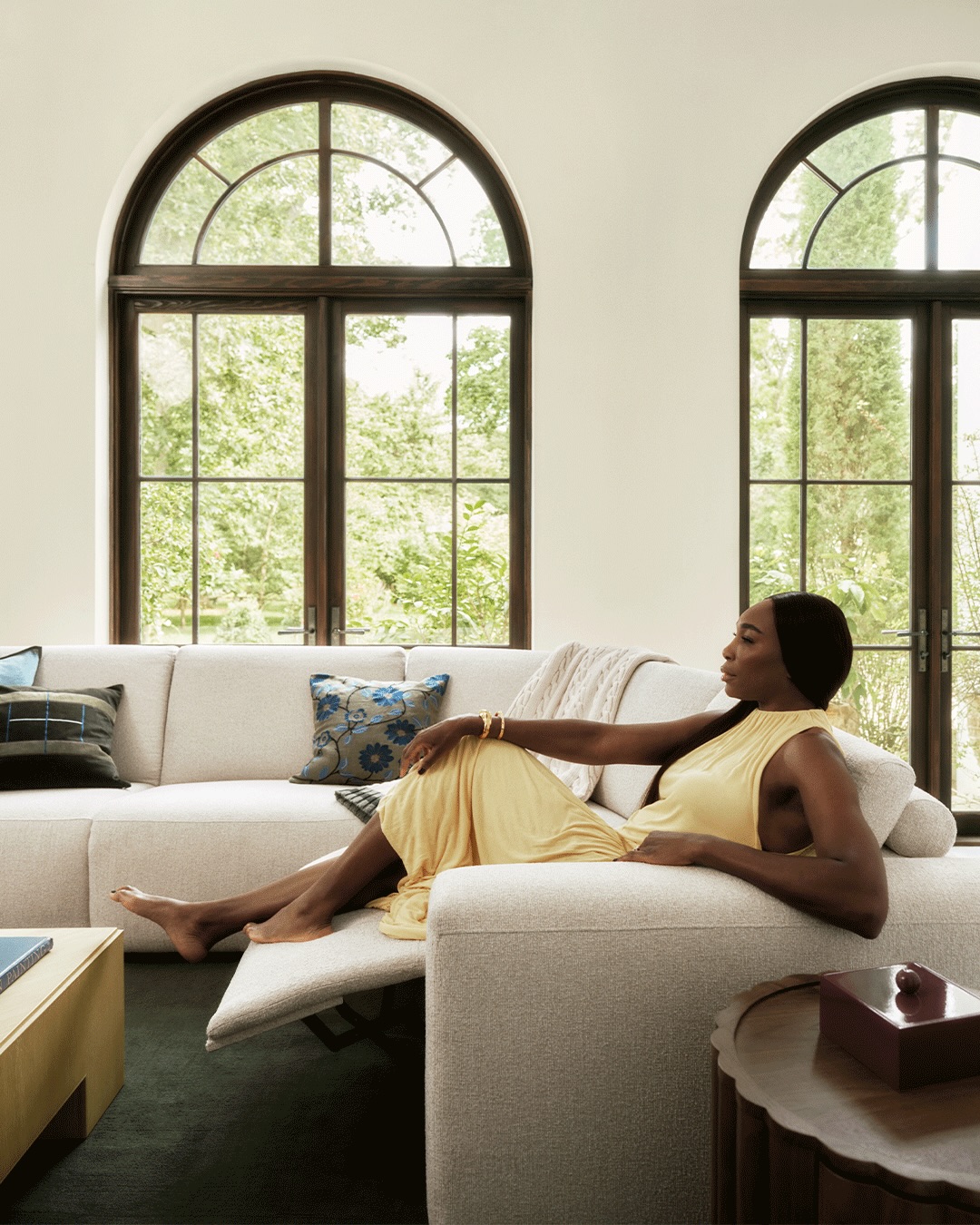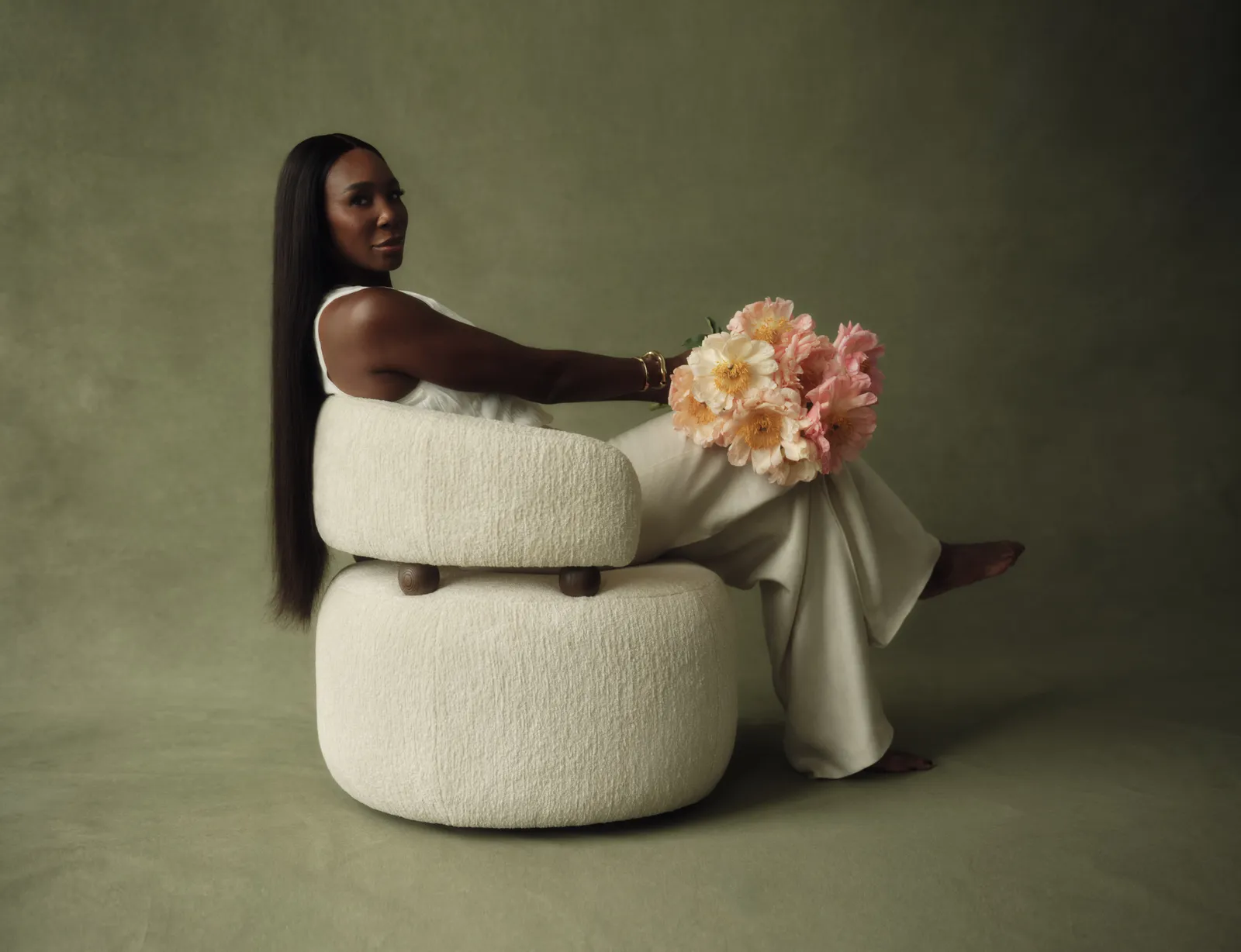
Venus Williams has spent most of her life being watched in motion. On a tennis court, every step has consequence, where you stand, how much space you leave, the angle of your body, the distance between yourself and the person across the net. It is a life built around reading space before anyone else does. So perhaps it makes sense that, away from the court, Williams became obsessed with another kind of spatial intelligence. She founded V Starr Interiors in 2002, turning an instinct for proportion, atmosphere and movement into a design practice. Now, with her first furniture and décor collection for Crate & Barrel and Crate & Kids, she is taking that relationship with space somewhere more intimate, into the home.
The interesting thing is not that Venus Williams has designed furniture. It is that she appears to understand the home as another extension of identity. We have become accustomed to celebrity collaborations that treat interiors as another surface for personal branding, put a famous name on a chair, attach a story to it, sell the lifestyle. Williams’ approach feels more considered because the story existed before the products. Years of travelling, staying in hotels and absorbing the character of different spaces gave her an archive of references to draw from. A design trip to Milan with Crate & Barrel’s Sebastian Brauer became one of the starting points for the collection, bringing together mid-century modernism, eclecticism and the visual discipline of tennis.
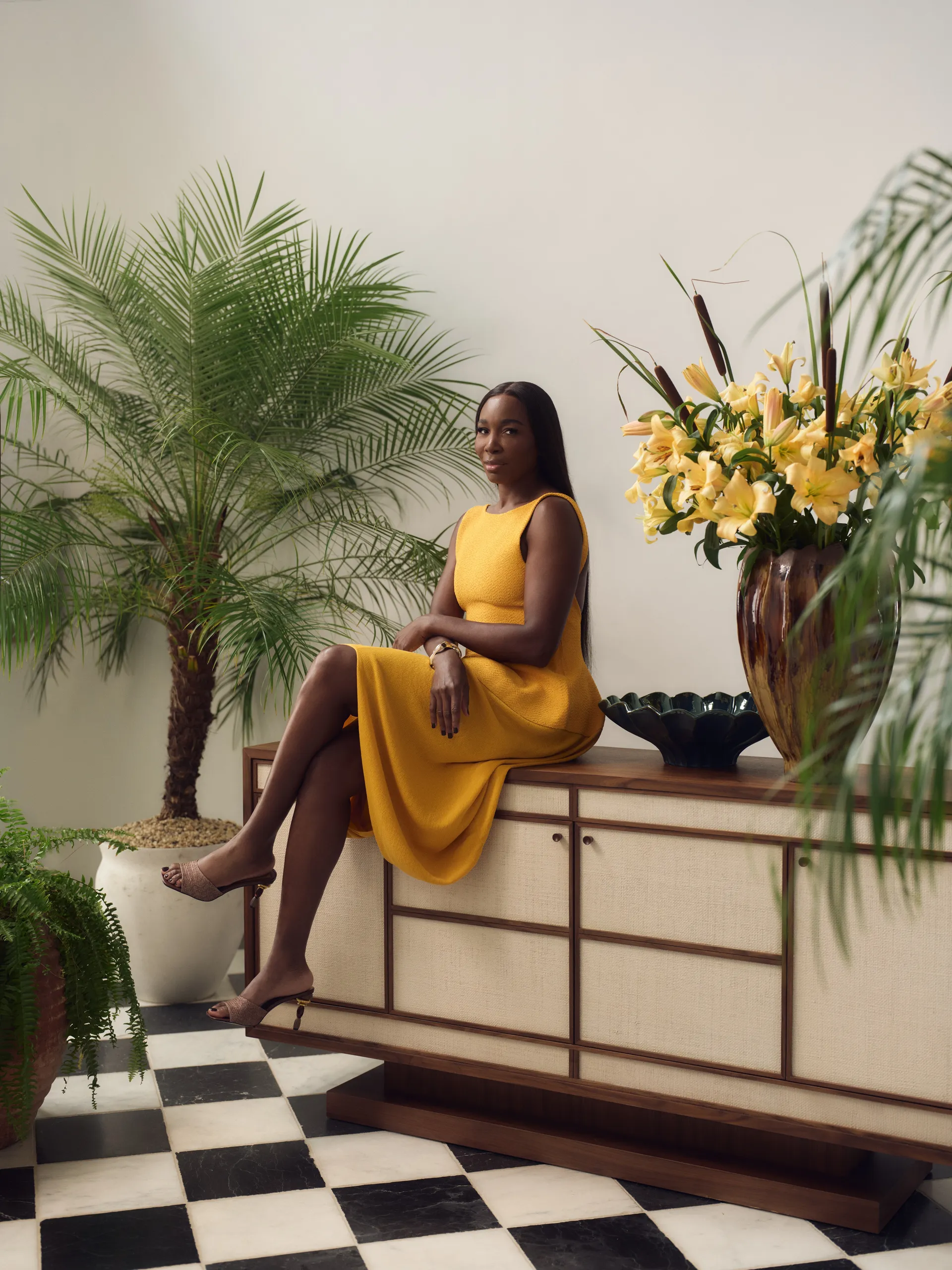
Tennis, however, is deliberately not allowed to become a costume. This is important because translating sport into interiors can very quickly become literal. Williams and Brauer instead looked at the culture surrounding tennis, the choreography of movement, the geometry, the rituals of preparation and arrival, and the elegance embedded in the sport’s history. That gives the collection a more sophisticated vocabulary. The sport is present without necessarily being visible. A sculptural accent chair can carry subtle tennis-ball references while still looking like something that could belong in a distinctly Italian interior. It is the kind of design language that rewards attention rather than demanding it.
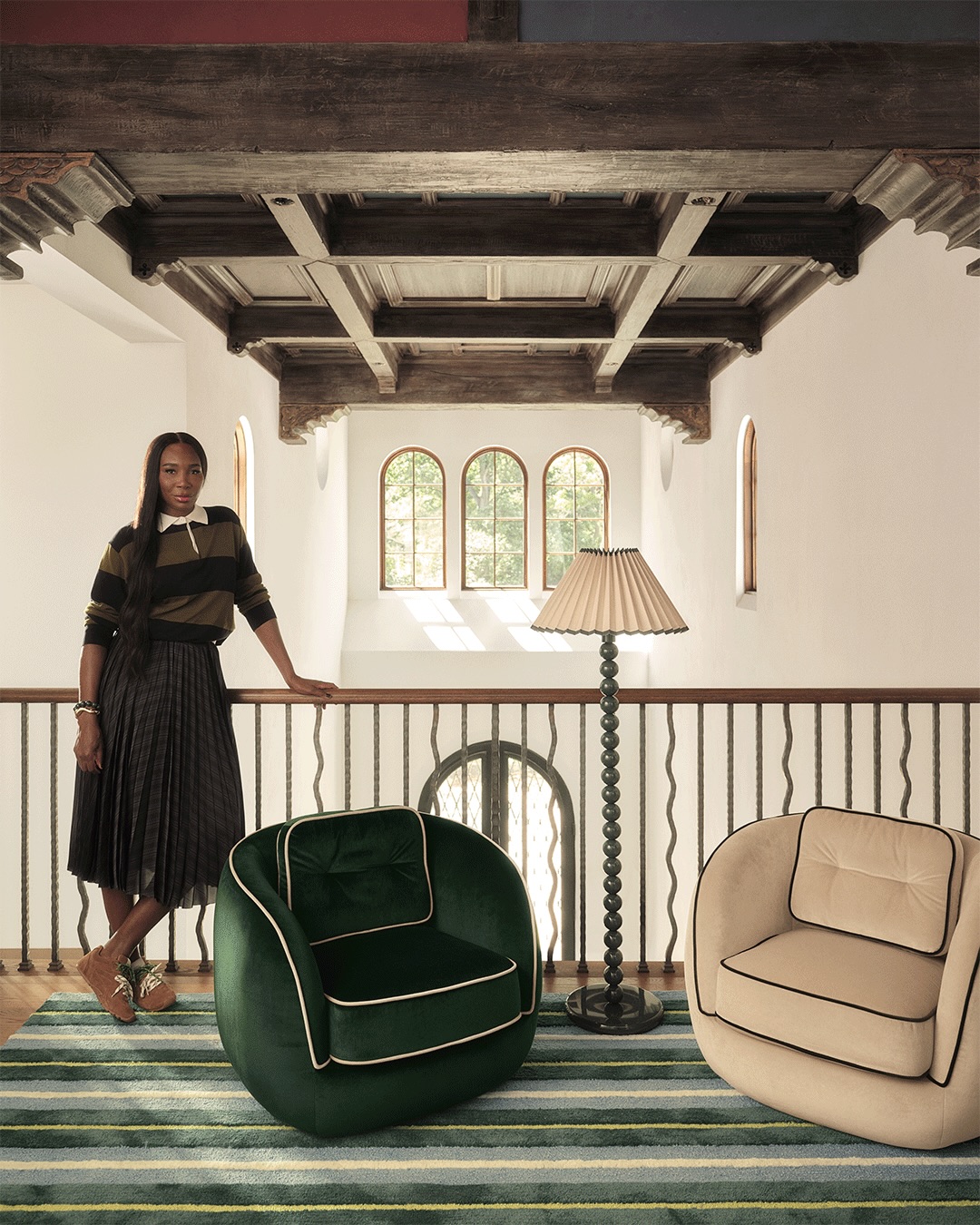
And that distinction gets to the heart of what makes good interiors compelling. Beauty is rarely about putting beautiful things into a room. It is about understanding the relationship between them. A chair changes the rhythm of a space. A lamp can make a corner feel private. A table determines how people gather. Colour, material and proportion create an atmosphere before anyone has consciously decided whether they like it. Williams seems to approach design with that same instinctive understanding of movement that defined her tennis career. She is interested in what happens between objects, not simply the objects themselves. Her comment that she can become genuinely offended when a space feels wrong is funny, but it also reveals how seriously she takes the emotional intelligence of a room.
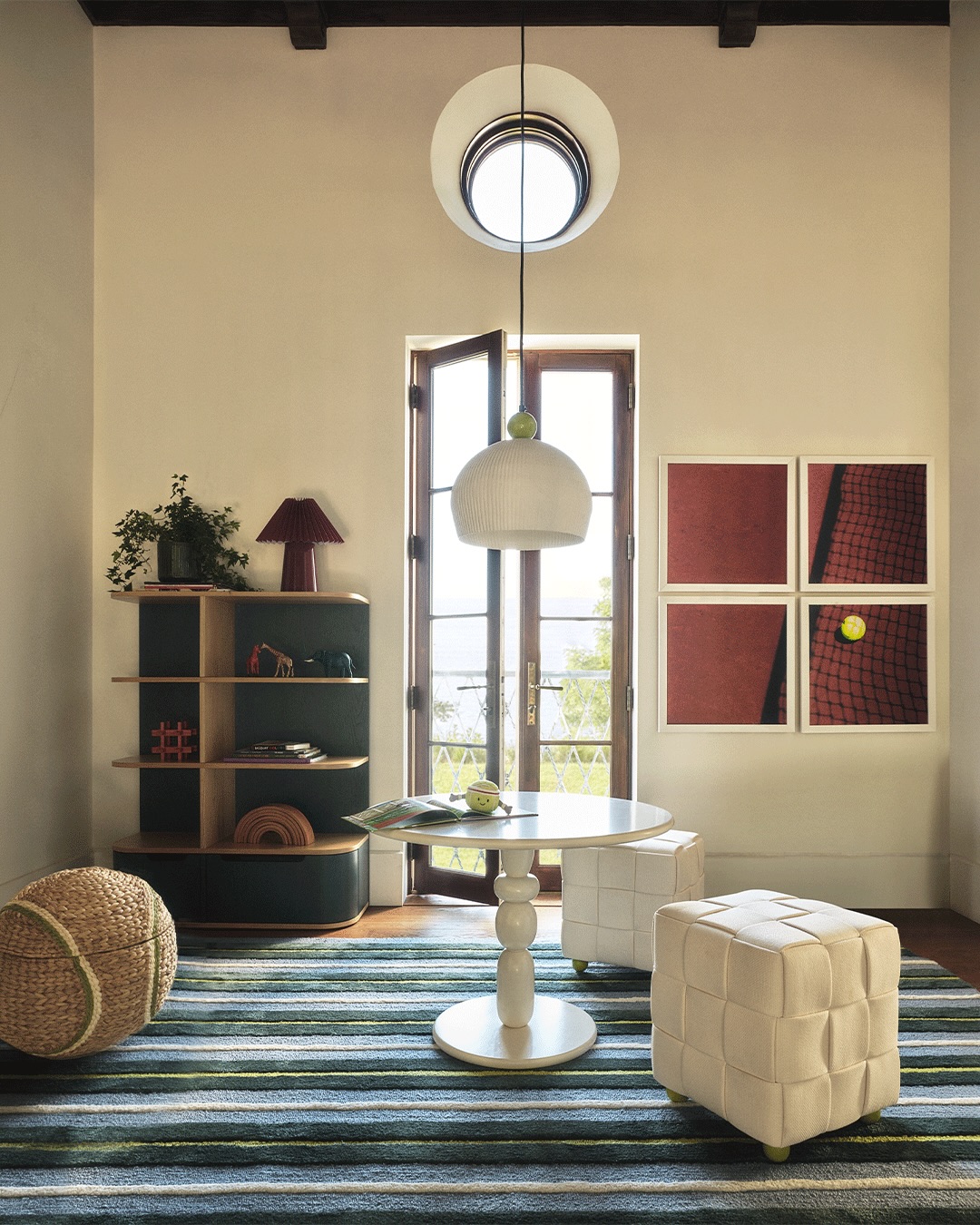
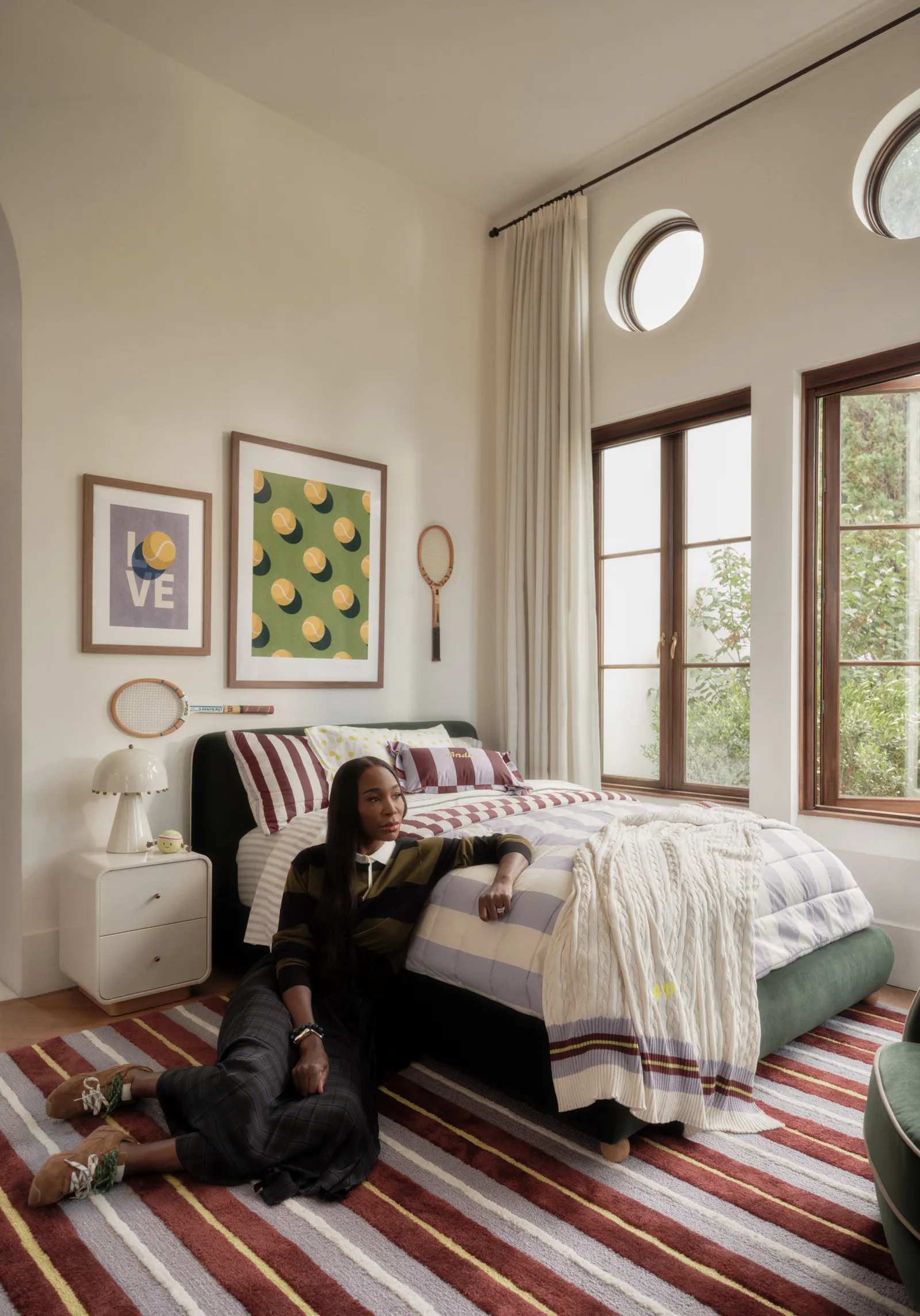
The collection for Crate & Kids makes the idea more personal. Williams wanted to create the room she would have wanted as a child, which is a deceptively simple premise. Childhood spaces become archives long before we understand them as such. The colour of a bedroom, the shape of a bed, the object sitting beside a lamp can become part of how we remember ourselves. Designing a child’s room, then, is not simply an exercise in making something playful. It is an exercise in deciding what kind of environment a person gets to grow up inside. Williams’ interest in that question makes the collection feel less like an expansion of her brand and more like an extension of her philosophy about how environments shape us.
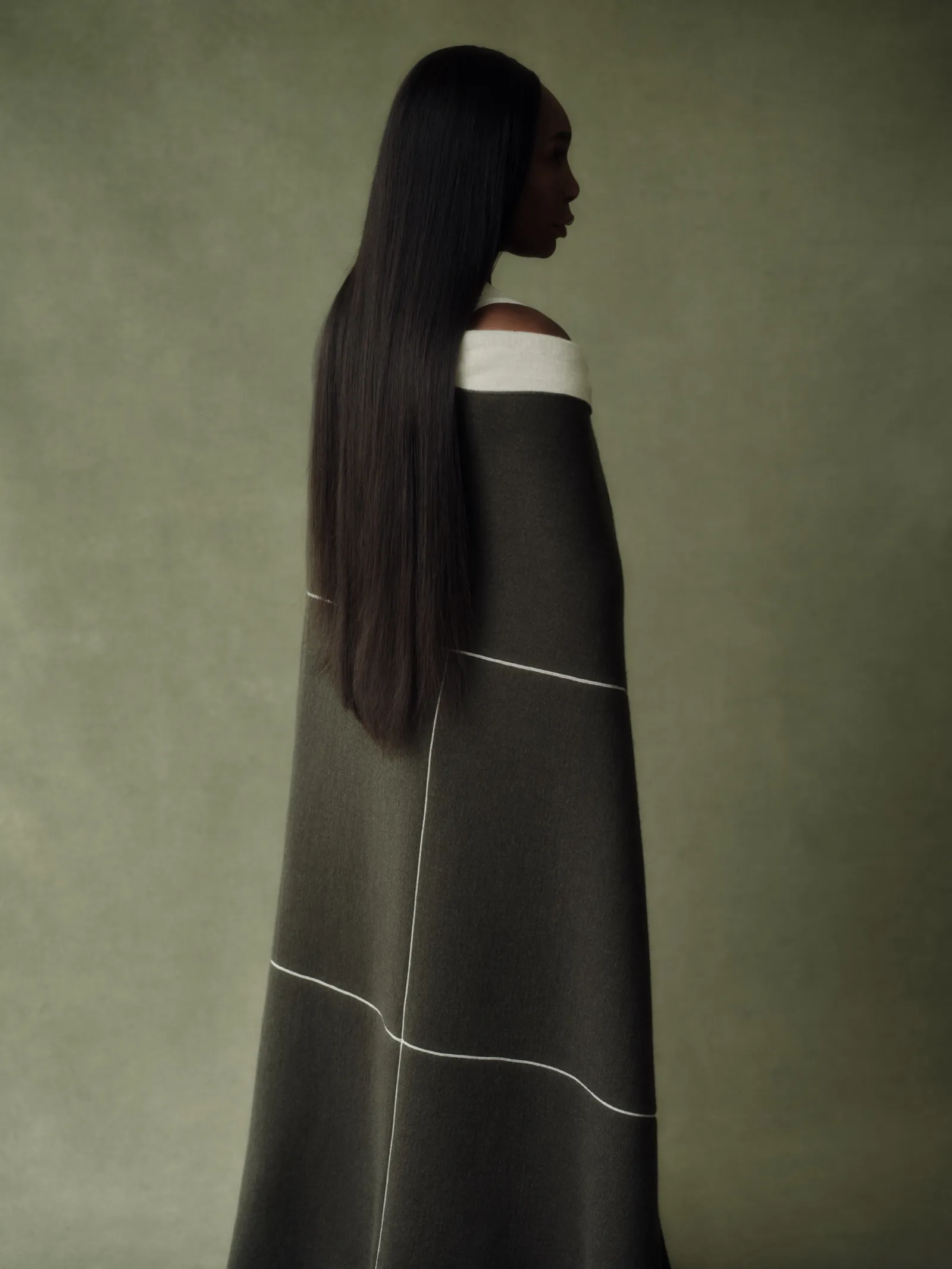
There is also something almost unfashionable about Williams’ insistence on permanence. She wants the pieces to feel elegant and timeless, the kind of furniture that can remain in a home long enough to acquire a life of its own. In an era when interiors are increasingly consumed through screens, where rooms are renovated for content and aesthetics can become obsolete as quickly as a social-media trend, the idea of an heirloom feels almost radical. Williams is interested in furniture that gets better through association, the chair someone always sat in, the table around which a family grew, the object that eventually belongs to a story bigger than its designer. She is not simply asking whether something looks good now. She is asking whether it can still mean something later.
That may be the most revealing part of Venus Williams’ second act. Tennis gave her an extraordinary relationship with pressure, precision and space, design gives her somewhere quieter to explore those same ideas. She describes tennis as a gladiatorial sport while describing design as a challenge to herself, but both require imagination. On the court, creativity happens in milliseconds. In a room, it can take years to reveal itself. The furniture collection sits between those two understandings of creativity, precise but not rigid, elegant without becoming precious, playful without becoming childish. What Williams seems to be designing, ultimately, is not a room or even a collection. She is designing the possibility of a life around objects, one where beauty is not something you consume and replace, but something you live with long enough for it to become yours.