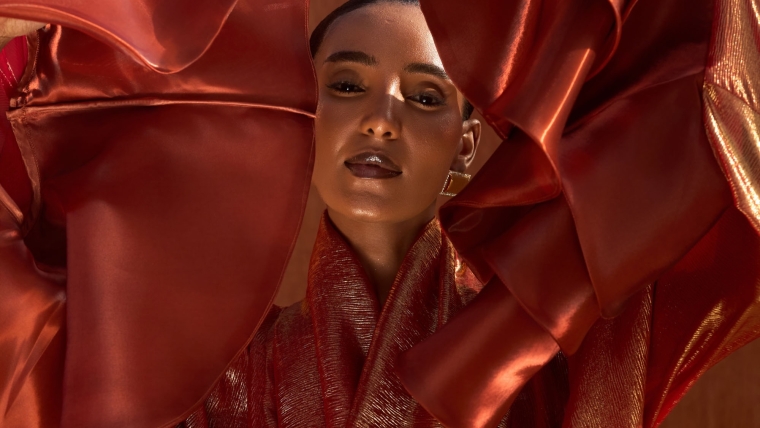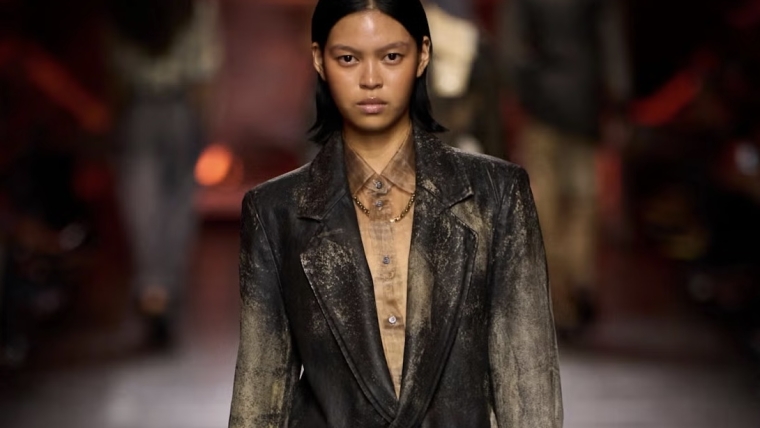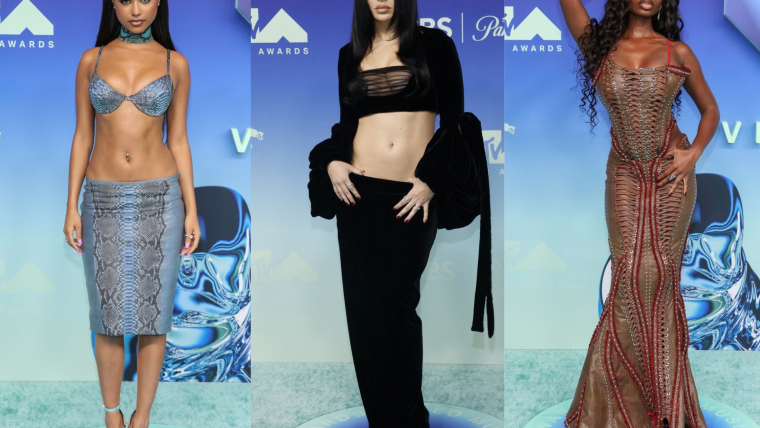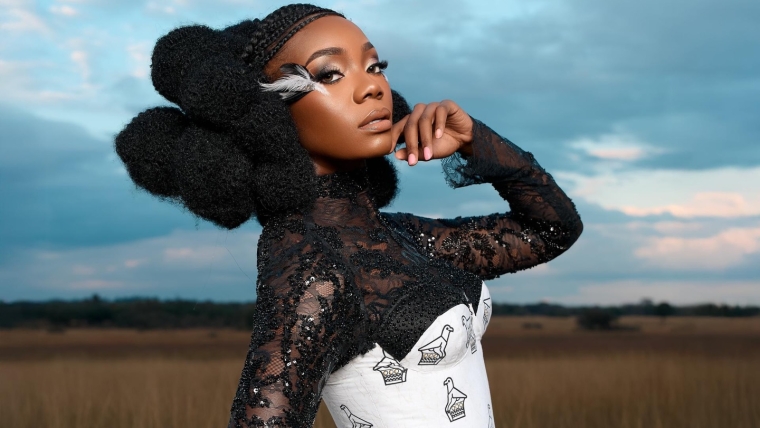
ELIE SAAB and H&M have unveiled their highly anticipated designer collaboration, bringing the Lebanese fashion house’s signature glamour, craftsmanship and couture-inspired aesthetic to a wider audience.
South Africa’s fashion industry has never lacked creativity. From emerging designers producing globally relevant collections to manufacturers driving innovation in local production, the sector is rich with talent. Yet for many entrepreneurs, creativity alone is rarely enough to build a sustainable business.
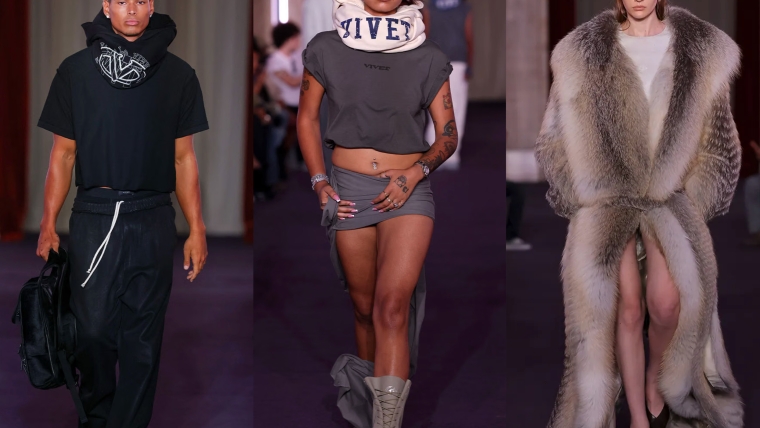
Founded by Namibian-born, Cape Town-based designer Victoria Ongansie, fashion label VICTORI has developed a distinct visual language built around strength, individuality and a sharp contemporary edge. A finalist in South African Fashion Week’s Scouting Menswear competition, VICTORI has quickly emerged as a label worth watching. Its collections play with proportion, structure and unexpected materials, creating pieces that feel directional without sacrificing polish. The aesthetic is cool and contemporary, but there is a precision beneath the boldness that keeps every look feeling intentional.
For 50 years, the BIRKENSTOCK Boston has quietly earned its place as one of the world’s most recognisable silhouettes. Never defined by trends or fleeting moments, the Boston clog has become an enduring icon through something far more meaningful: everyday wear.
From Accra to wardrobes beyond Ghana, Rami RTW is building a fashion language where bold femininity, meticulous craftsmanship and unexpected fabric manipulation take centre stage.
Founded in Ghana, Rami RTW has grown from founder and creative director Rima Turki’s love of sewing into a fashion label centred on contemporary femininity, individuality and craftsmanship. Turki’s journey began during her university years, when frustration with seamstresses and tailors struggling to translate her ideas into garments pushed her to buy a sewing machine and teach herself to sew. She later formalised her training at the Joyce Ababio College of Creative Design, establishing the technical foundation for the label that followed.
A$AP Rocky is continuing to push AWGE beyond the boundaries of a traditional artist-led fashion label. For Spring/Summer 2026, the rapper returned to Paris Fashion Week with “Obligatory Fashion,” the second collection from AWGE and a sharper statement of where he wants the brand to go. Presented at L’Église Protestante Unie de l’Étoile, the collection examines the clothes people are expected to wear, turning uniforms, workwear, tailoring and streetwear into something deliberately exaggerated and distinctly AWGE.
There is a particular kind of magic that happens when memory is stitched into fabric, when a name whispered from one generation to the next becomes the emblem of a house built on grace. That is the story of Christie Brown, the Ghanaian luxury label that has, since 2008, been quietly and confidently reshaping what the world understands African fashion to be.
Some brands treat African textiles as decoration. Benard Samuel treats them as vocabulary. From its base in Lagos, the Nigerian label has built a name around the idea that fabrics like Ankara, Adire and the hand-woven Akwete cloth of southeastern Nigeria are not seasonal props to be borrowed and forgotten, but permanent, versatile pieces of a global wardrobe.
Every so often, a brand arrives with such a clear point of view that it makes everything around it look unfinished. ANUNES is that brand. Founded by Angolan-born designer Ana Nunes, this South African label fuses avant-garde creativity with real-world wearability, and does it with a level of confidence that is rare to see this early in a designer’s career.
The 2026 FIFA World Cup Final transformed MetLife Stadium into a global fashion theatre where celebrity style rivalled the drama on the pitch. Every arrival carried intention, every silhouette reflected personality, and every photograph captured a moment where sport and culture moved in perfect harmony. The world’s biggest sporting event became a celebration of taste, confidence and identity, proving that football’s grandest occasion now belongs as much to fashion as it does to the game itself.