
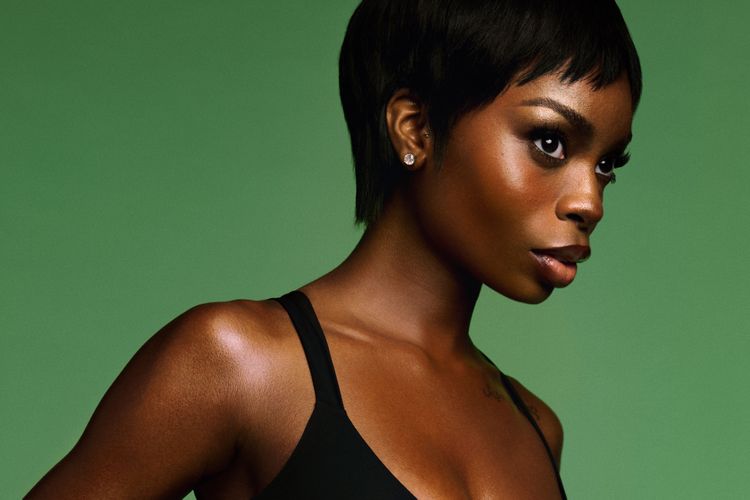
MAC Cosmetics is bringing a more expansive idea of beauty to the forefront with its latest global campaign, ‘We All Wear MAC’. Fronted by an eclectic cast spanning music, fashion, sport, television and digital culture, the campaign places individuality, personal style and authentic-looking skin at the centre of its latest complexion push.
Created by MAC Global Creative Director Nicola Formichetti and photographer Zhong Lin, the campaign brings together 12 faces from different corners of popular culture. Doja Cat returns as a MAC ambassador, joined by Argentine singer Tini, MEOVV’s ELLA, singer-songwriter Rhea Raj, Love Island USA breakout Olandria Carthen, Olympic gold medallist Masai Russell, drag performer Violet Chachki, actor André Lamoglia, models Aker Ajak and Anh Duong, Japanese model and creator Mikiya, and French creator Bách Buquen.
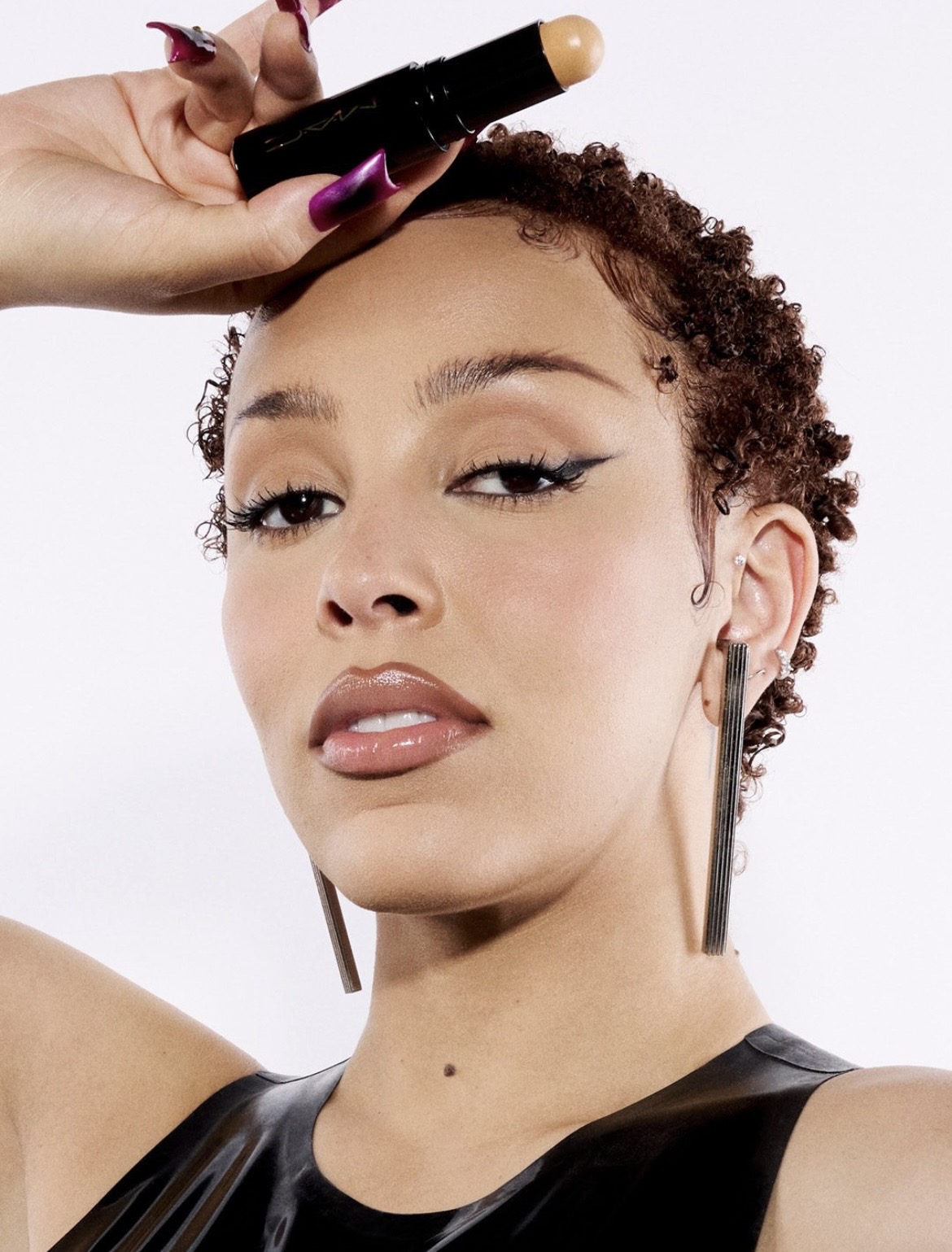
Rather than presenting a single definition of what a MAC face should look like, the campaign leans into contrast. Its cast represents different industries, aesthetics and cultural identities, with each personality retaining a distinct sense of style. The result is a beauty campaign that feels less concerned with uniformity and more interested in what happens when different faces share the same beauty language.
That idea also marks a shift from MAC’s 2025 ‘I Only Wear MAC’ campaign. Where that campaign was built around a striking black-and-white visual identity, ‘We All Wear MAC’ moves into a more colourful and emotive world. The change from ‘I’ to ‘we’ broadens the conversation from individual identity towards community and collective expression, while still keeping the strong personalities that have become central to Formichetti’s creative direction
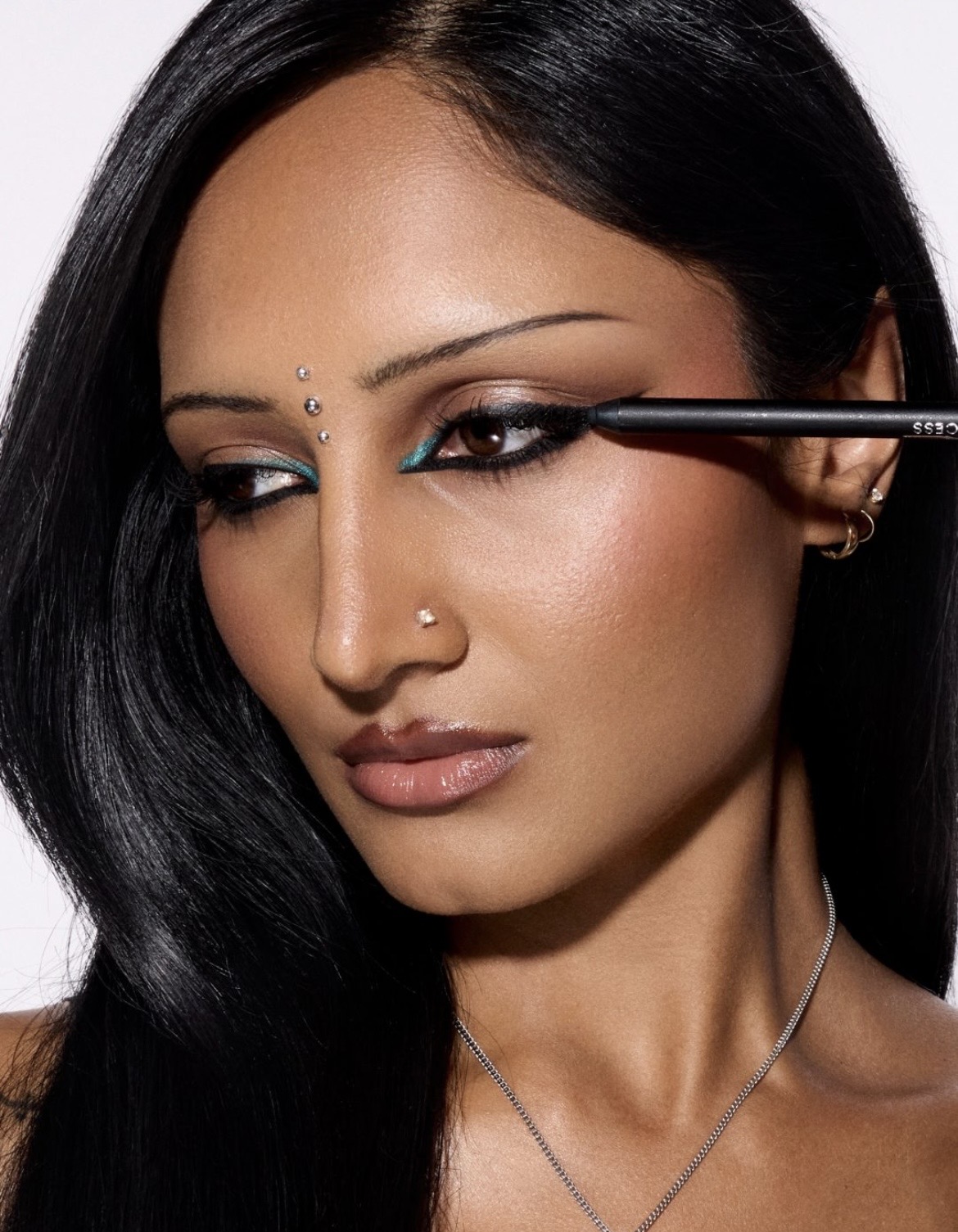
At the heart of the campaign is MAC’s Studio Radiance Skin Tint Stick, a serum-skin tint hybrid designed for sheer, buildable coverage and a natural, softly radiant finish. The formula is made with 73% skincare ingredients, including daikon radish seed and açaí extracts, and is designed to provide 24-hour hydration and wear. It is available in 20 flexible shades, with MAC also highlighting its resistance to sweat and humidity.
The product speaks directly to the campaign’s complexion philosophy. Instead of treating skin as something to completely conceal, the Skin Tint Stick is positioned as a way to even and soften the complexion while allowing it to retain a second-skin appearance. The formula can be applied lightly for sheer coverage or layered where more coverage is wanted, giving the product versatility across different routines and finishes.
MAC is also extending the Studio Radiance complexion story with its Serum-Powered Cushion Foundation SPF 50+/PA+++, which is available in select markets. The cushion follows the same skin-first direction, pairing a radiant complexion finish with a serum-powered formula and a lightweight feel.
Visually, the campaign reinforces that approach by allowing skin to remain part of the story. The beauty looks are polished without feeling overly constructed, while the personalities of the cast remain recognisable. It is a fitting direction for a beauty landscape that has increasingly embraced skin that looks like skin, whether that means freckles, texture, radiance or simply a lighter approach to complexion makeup.
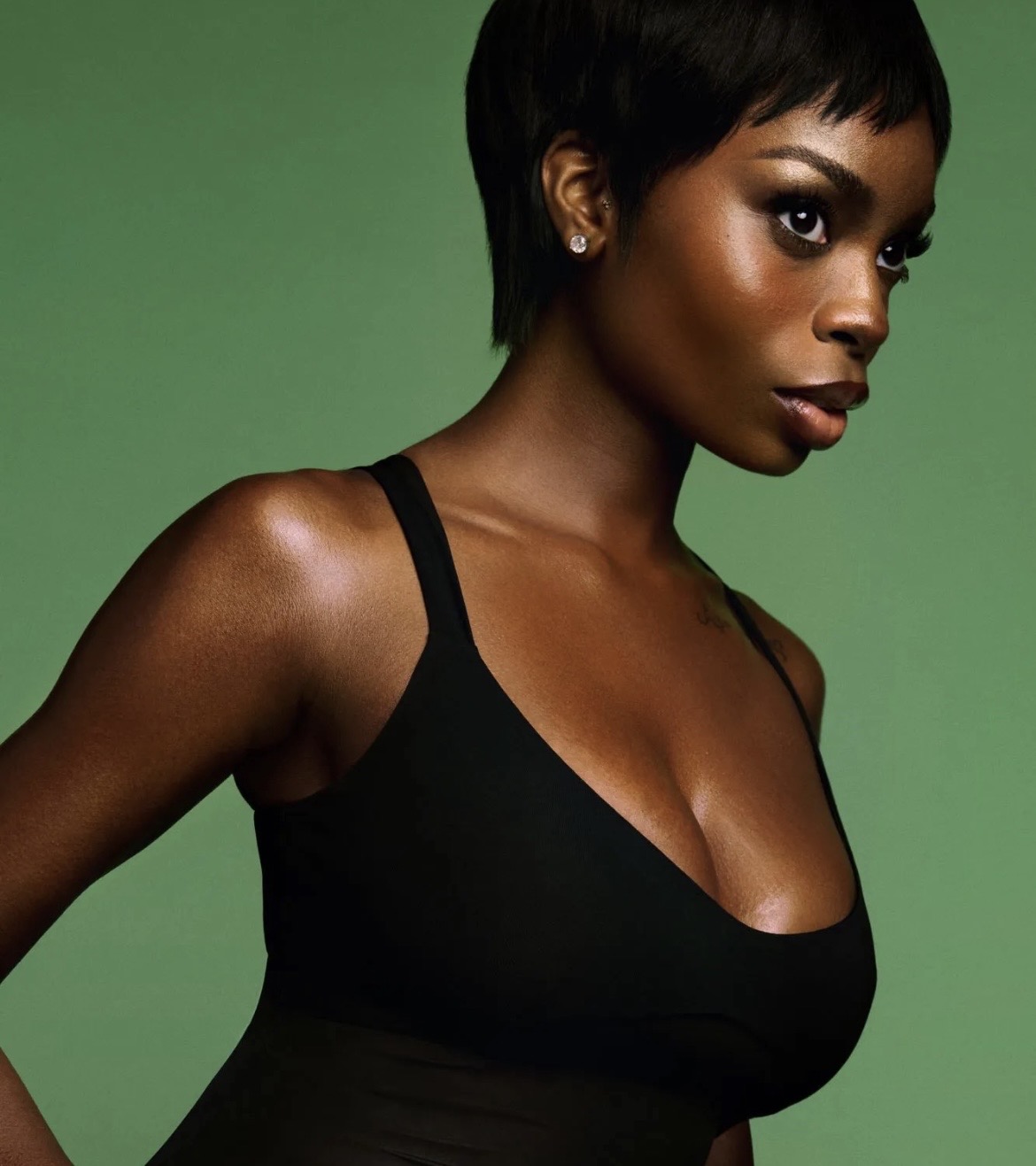
There is also something distinctly MAC about the way the campaign balances accessibility with fashion and pop culture. Doja Cat, Tini and Violet Chachki bring recognisable performance personas, while Masai Russell introduces the world of elite sport and Olandria brings the immediacy of reality television and creator culture. Together, the cast gives the campaign a sense of movement beyond traditional beauty advertising.
With ‘We All Wear MAC’, the brand is ultimately making a familiar beauty statement feel broader: makeup does not have to make everyone look the same. Instead, the campaign presents complexion as a starting point for individuality, with radiance taking on a different expression on every face.
For MAC, that makes the latest Studio Radiance launch about more than a new base product. It is an opportunity to redefine what polished skin can look like when the person wearing it remains the most important part of the beauty look.