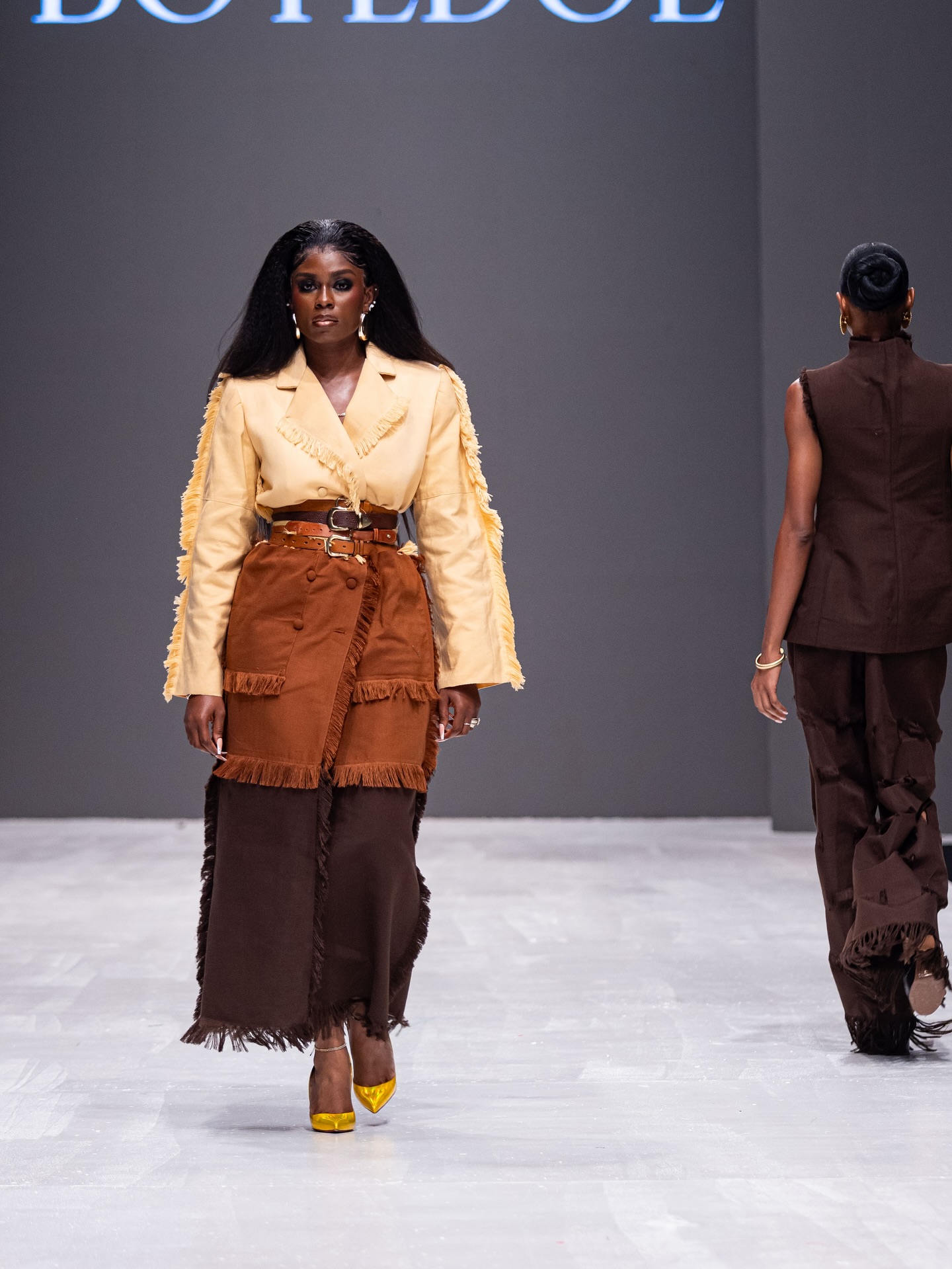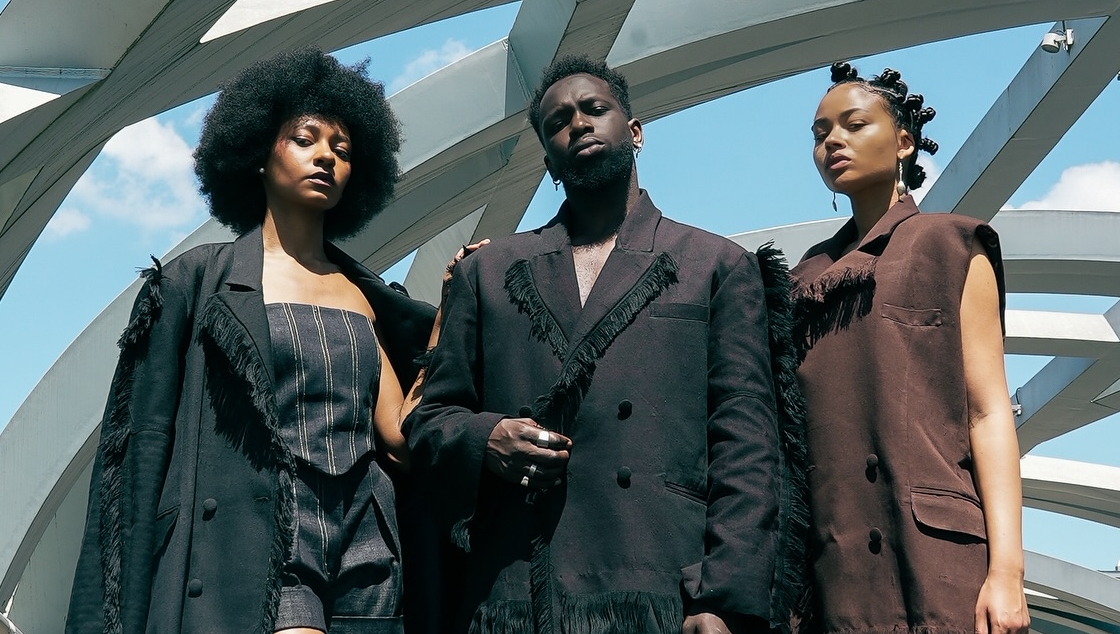
With deconstructed denim, handwoven Ghanaian textiles and a taste for the subversive, David Kusi Boye-Doe is building a fashion house that looks backwards only to move forward.
Forget everything you think you know about African luxury. BOYEDOE is not interested in simply translating heritage into beautiful clothes. The Ghanaian label is pulling heritage apart, turning it inside out and reconstructing it into something sharper, stranger and decidedly of the now.
Founded in 2020 by designer and creative director David Kusi Boye-Doe, BOYEDOE has established itself as a genderless Afroluxury label with a distinctly experimental point of view. Its design language is rooted in the Akan concept of Sankofa, symbolised by the mythical bird that looks backwards while moving forwards. For Boye-Doe, the philosophy becomes a blueprint for design: return to what already exists, interrogate it and rebuild it for the future.
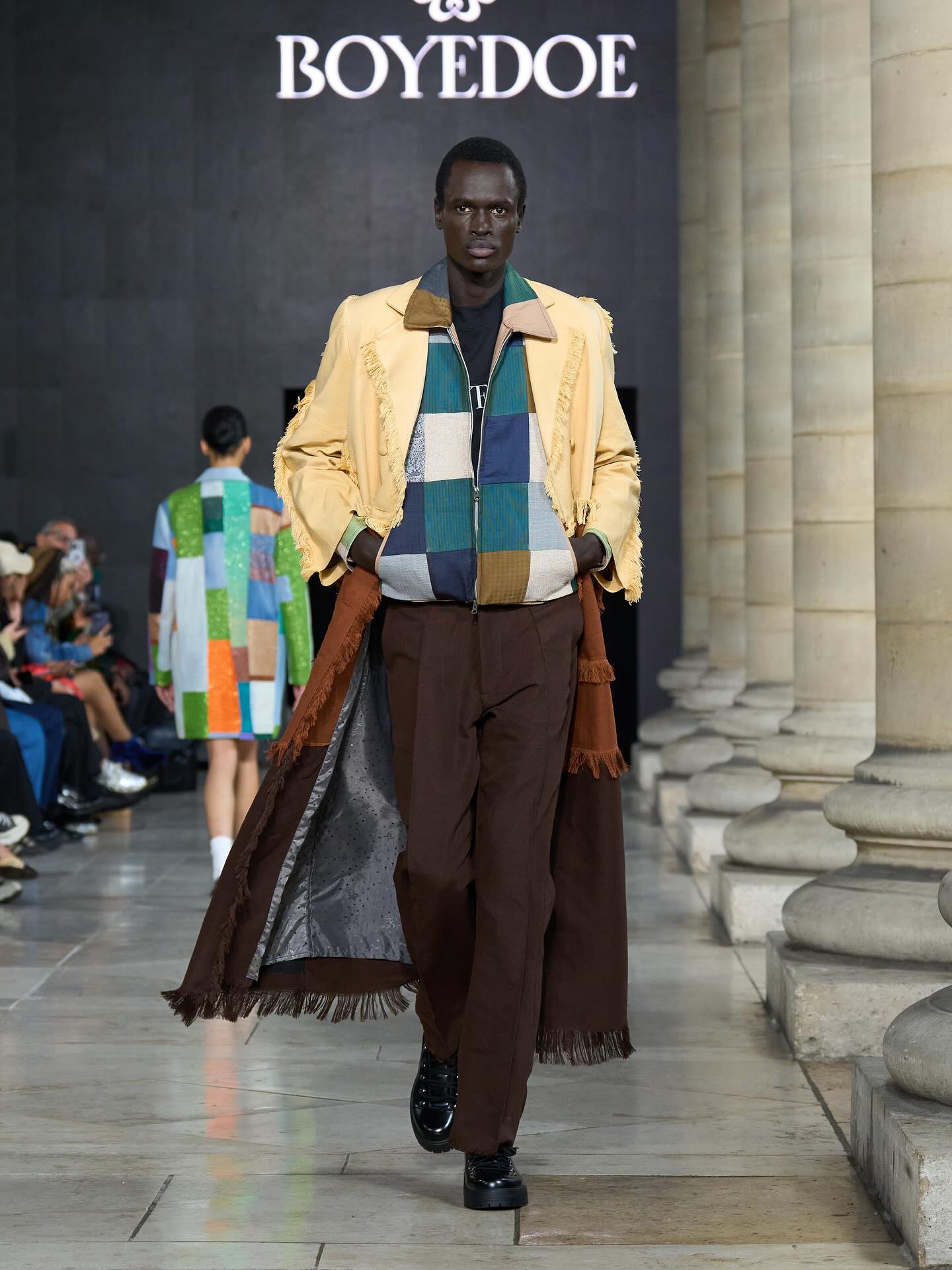
That philosophy runs through the house’s approach to clothing. Traditional Ghanaian and West African hand-loomed textiles are deconstructed and reconstructed into contemporary silhouettes, while denim has become one of the label’s defining materials. There is a constant conversation between heritage and experimentation, with vibrant colour, tactile textures, eclectic patterns and unconventional construction giving the clothes their unmistakable character.
Sustainability is not treated as a quiet footnote at BOYEDOE. The brand sources discarded and unsold clothing, particularly denim, and transforms these materials through upcycling. Industrie Africa reports that around 80 per cent of the brand’s materials are recycled, while the remaining 20 per cent are sourced from local ethical and sustainable manufacturers. Its made-to-order and small-batch approach further supports its efforts to minimise waste.
And this is where BOYEDOE’s proposition becomes particularly compelling. The clothing does not look like a compromise made in the name of sustainability. It looks luxurious. Breezy cuts, exaggerated proportions, sculptural silhouettes, patchwork and unexpected combinations of texture create a visual tension between refinement and rebellion. There is enough polish to make the pieces feel elevated, but enough irreverence to keep them from becoming predictable.
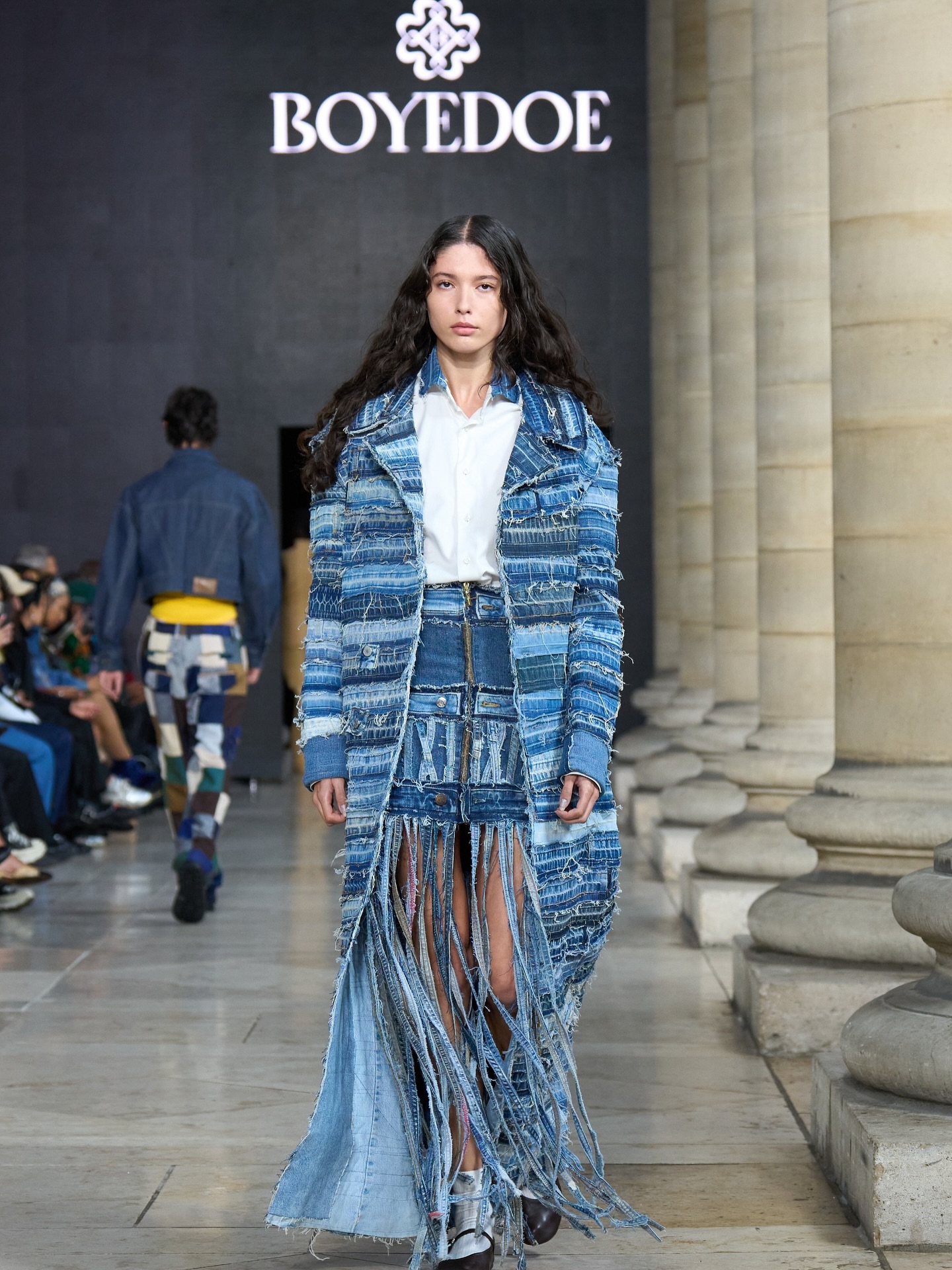
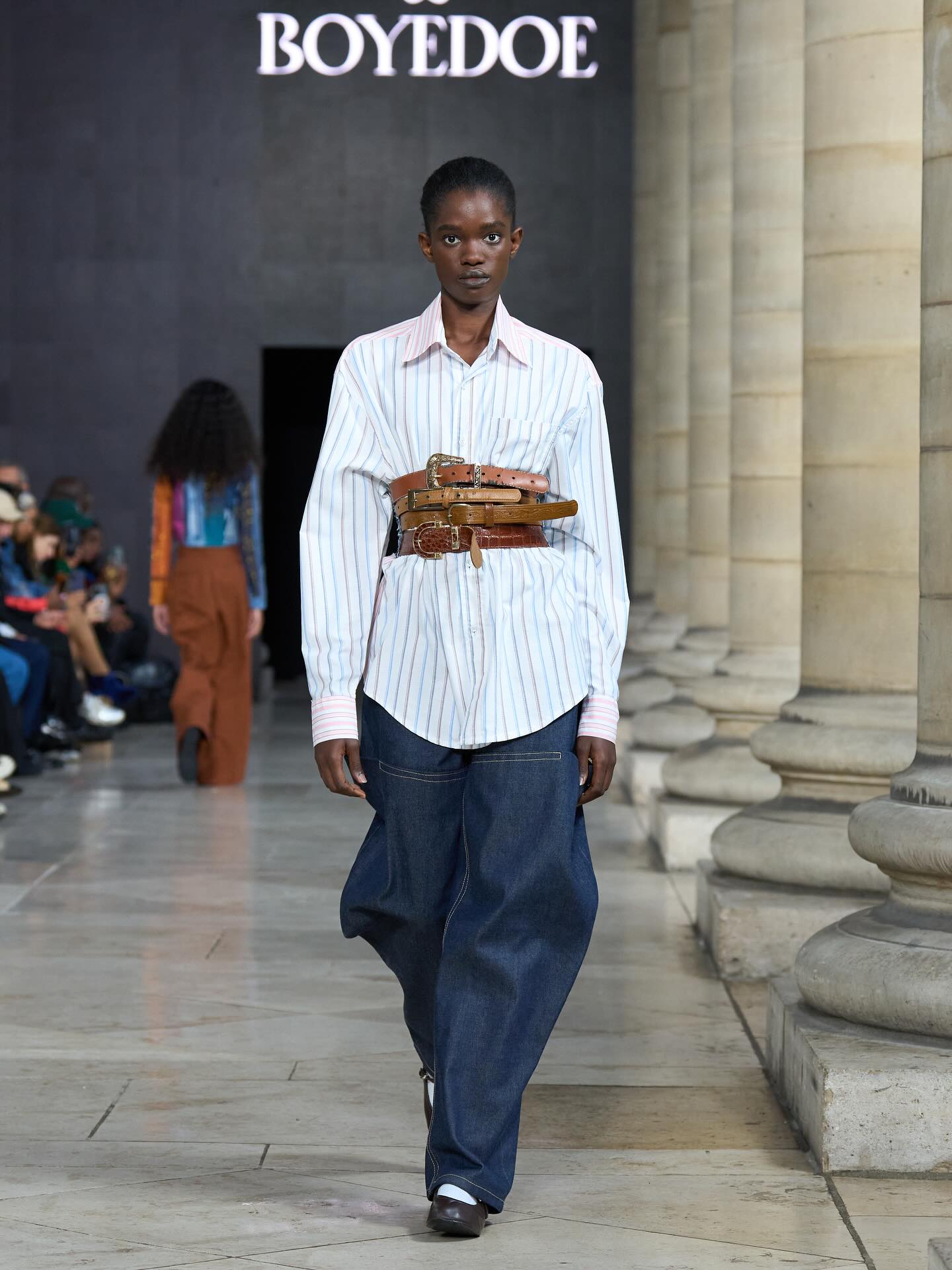
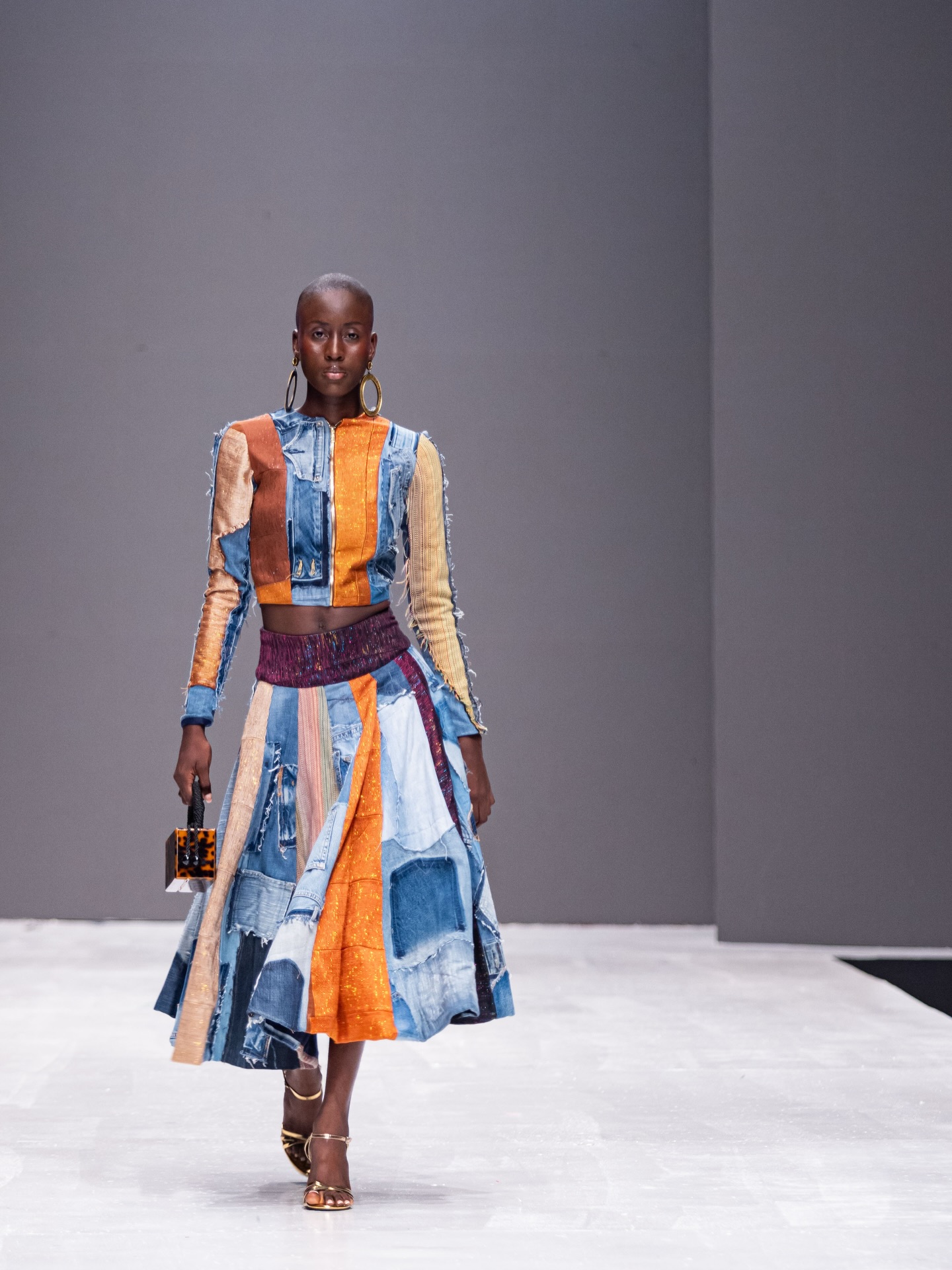
Denim, in particular, has become part of BOYEDOE’s visual DNA. For the brand’s Spring 2026 collection, Paradise Regained, Boye-Doe pushed the practice even further, creating the entire collection from upcycled garments. Vogue reported that some pieces took approximately three months to complete, including a multicoloured patchwork skirt constructed from tiny pieces of fabric. Much of the material was sourced from Accra’s Kantamanto Market, one of the largest second-hand clothing markets in Africa.
The collection takes its name and inspiration from John Milton’s Paradise Regained, but its idea of paradise is distinctly Boyedoe: colourful, maximalist and defiant. Rather than hiding the history of the materials, the collection allows their previous lives to become part of the finished garment, turning what might have been considered waste into something desirable and highly considered.
The ambition behind the label has been evident from the beginning. Boye-Doe graduated from the Joyce Ababio College of Creative Design in 2019 as its Most Outstanding Student and Most Creative Student. That same year, he won the Merck Fashion Award Ghana and was named first runner-up for the Vlisco Fashion Fund Ghana. He went on to become first runner-up in the Accra Mall Future Fashion Fund and was selected as one of 30 finalists for the inaugural ARISE 30 Under 30 New Stars in Lagos in 2020.
BOYEDOE’s international trajectory has been equally striking. The brand made its European debut at Portugal Fashion Week in 2023 with support from Creative Africa Nexus, before showcasing at TRANOÏ Paris for five consecutive seasons. It made its Lagos Fashion Week runway debut in 2024 and returned in 2025, with Moda Operandi selecting the brand for its Best of Lagos Fashion Week Trunk Show in both years.
Then came the recognition that firmly pushed BOYEDOE into the global fashion conversation. In 2025, the label was selected as a semi-finalist for the prestigious LVMH Prize, placing it among 20 emerging designers selected from more than 2,000 applicants. The official LVMH Prize profile describes BOYEDOE as a Ghanaian label committed to deconstruction, reconstruction and sustainable design, using fashion to reimagine African heritage.
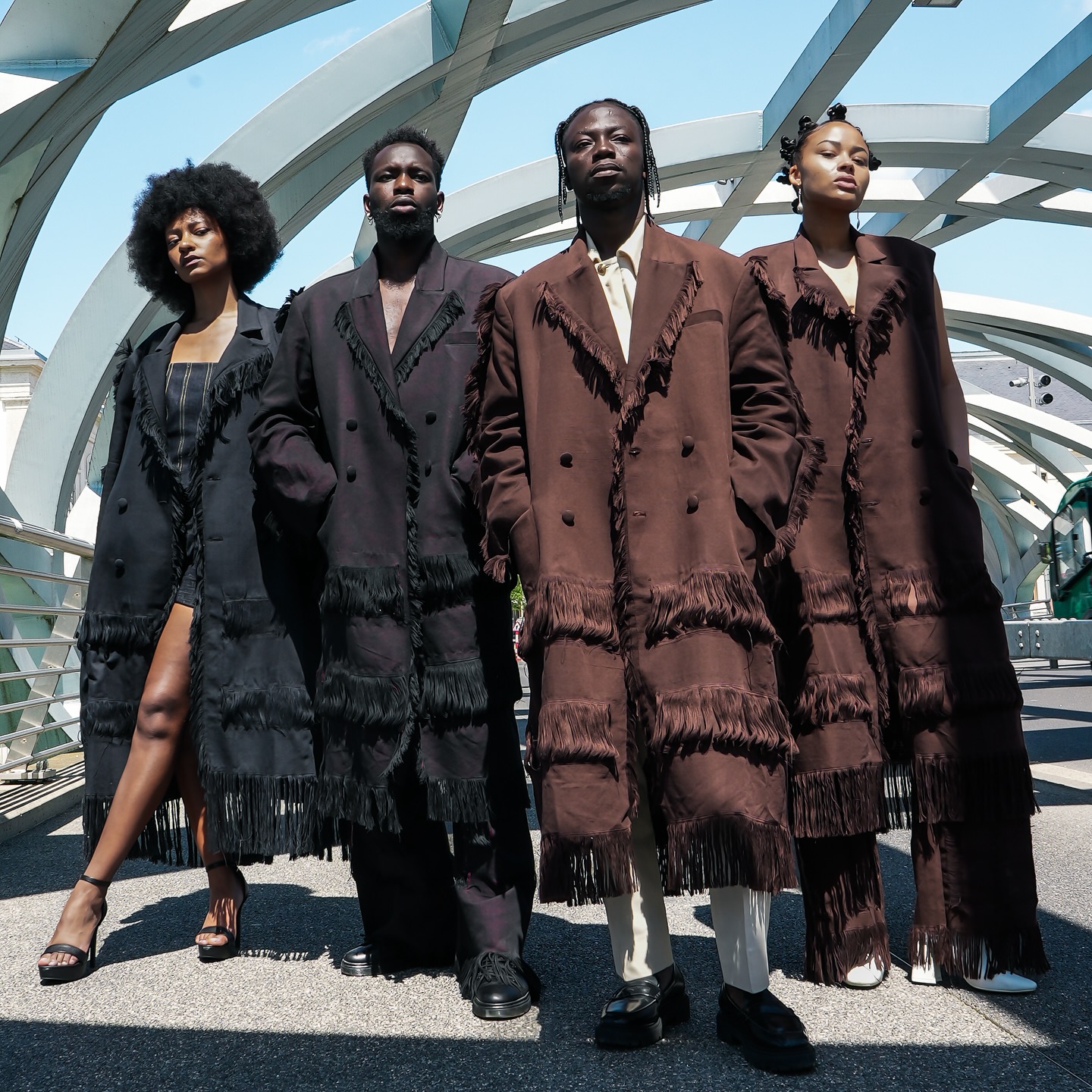
That year also marked BOYEDOE’s expansion beyond the African and European fashion circuits. On 3 October 2025, the brand debuted on the Paris Fashion Week Main Runway, followed by its Asian debut at the Rakuten Fashion Week TRANOÏ Tokyo trade show. Together, those appearances signalled a brand increasingly comfortable operating within the global fashion system while maintaining a design language that remains firmly rooted in Ghana.
Yet perhaps what makes BOYEDOE most exciting is its refusal to fit neatly into a single category. It is sustainable without becoming overly earnest, rooted in African heritage without being nostalgic, and luxurious without relying on conventional ideas of excess. Its clothing sits somewhere between fashion, art and cultural commentary, constantly asking what can happen when familiar materials, histories and techniques are looked at differently.
Today, that vision is travelling further. BOYEDOE is stocked through selected luxury retailers and concept stores across Ghana, Nigeria, Spain, Germany and the United States, while also being available through international platforms including Moda Operandi, Industrie Africa and Adjoaa.
BOYEDOE’s greatest statement may be the simplest one: nothing has to remain as it was found. A discarded pair of jeans can become couture. A traditional textile can become something futuristic. Heritage can be taken apart without being lost. And African luxury does not have to look backwards to honour where it comes from.
Sometimes, it just needs to look back long enough to move forward.