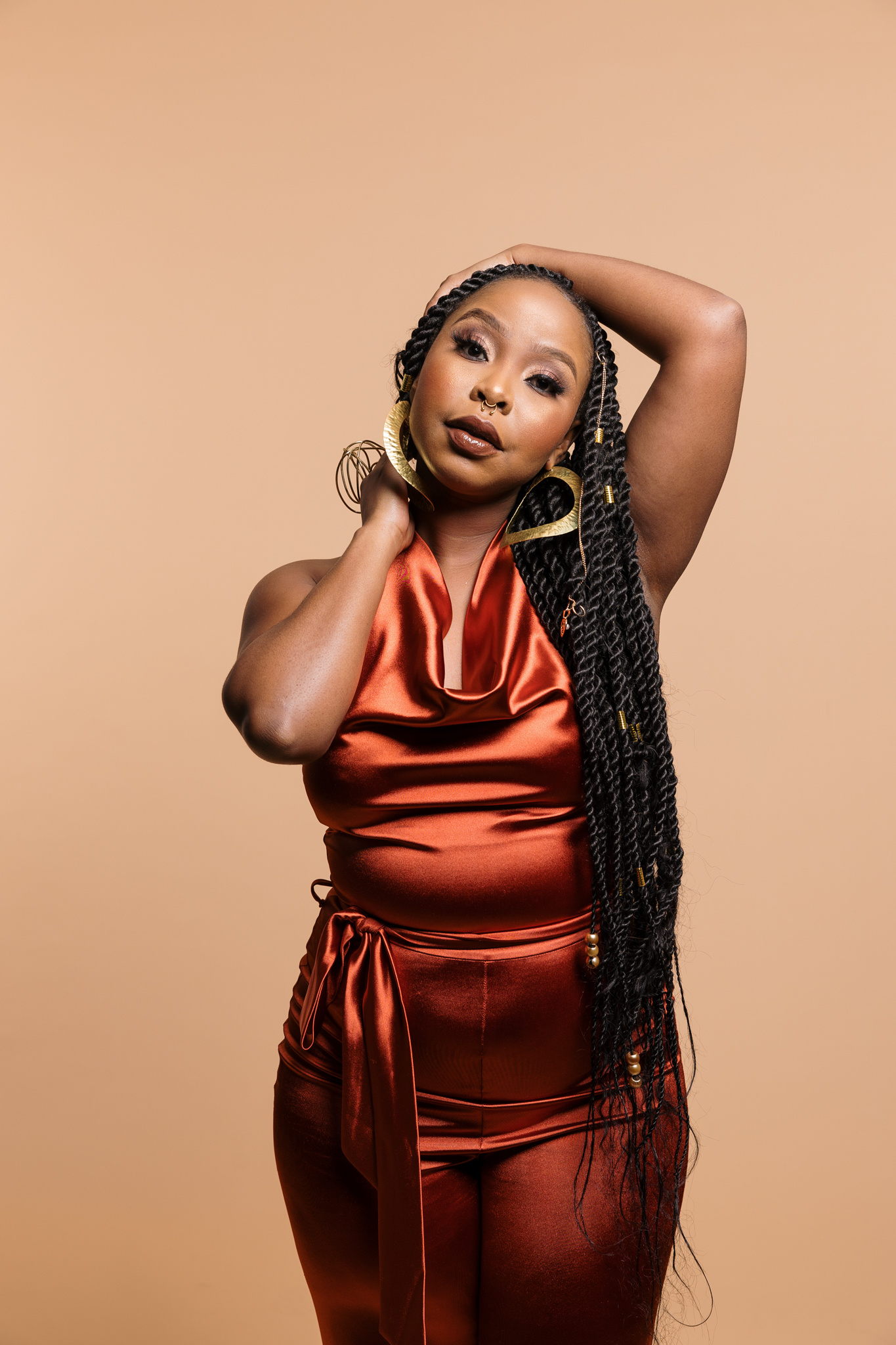
From embracing her Sesotho identity in an industry that often favoured other languages to navigating rejection, uncertainty and personal growth, Didie Makobane has built a career rooted in authenticity, purpose and an unwavering belief in who she is.
For more than 15 years in South African entertainment, actress Moliehi Makobane — known as Didie — has built her career on one quiet decision: to remain firmly rooted in who she is.
A Sesotho-speaking creative in an industry that often rewards adaptability, she chose not to bend to expectation. Not out of defiance, she insists, but out of clarity — a deep understanding that conformity was never the price she was willing to pay.
That choice has shaped everything that followed.
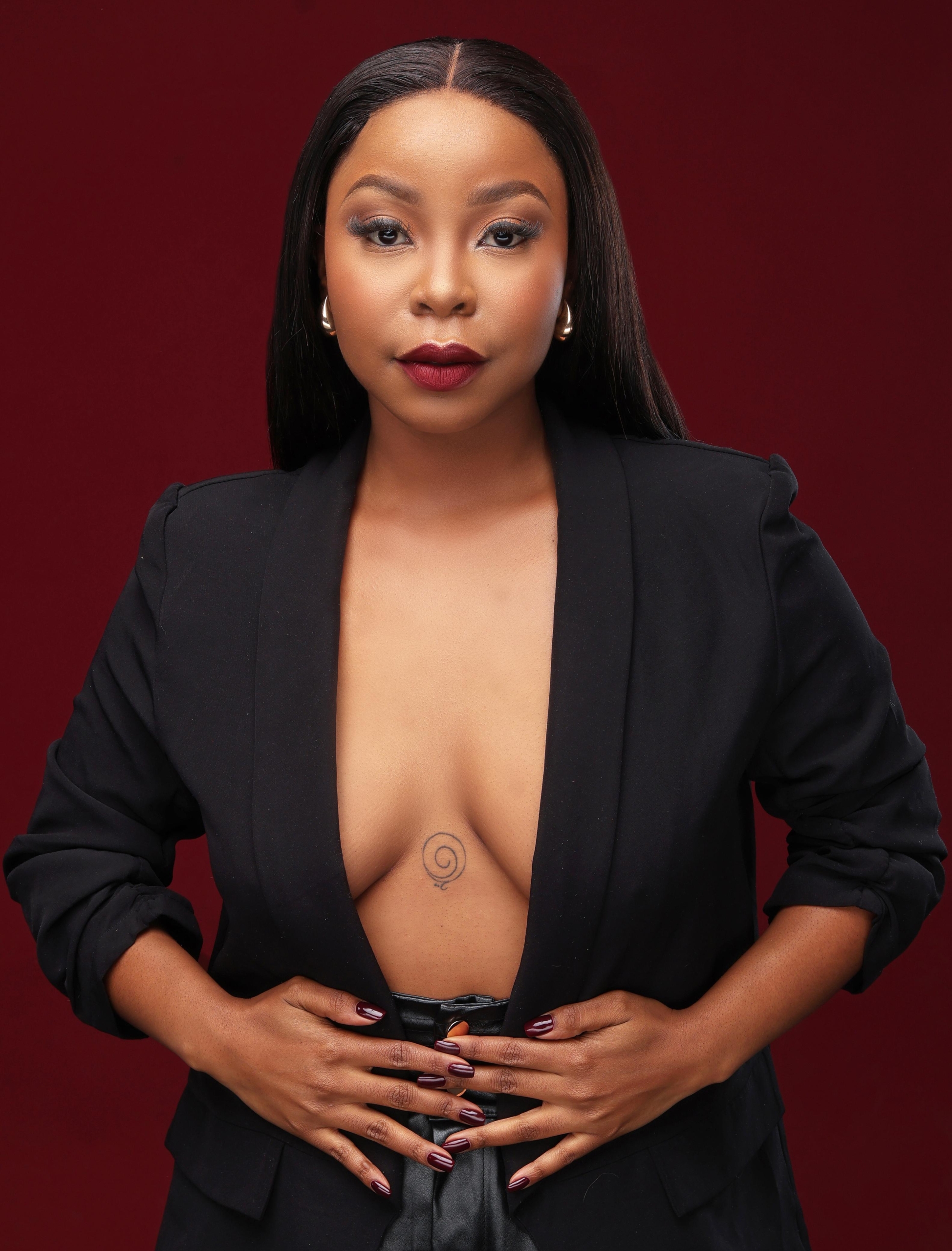
Today, her body of work includes Netflix productions such as Yo! Bestie and Yoh! Christmas, alongside Cobrizi, Blessers and Happiness Is a Four-Letter Word, among others. But behind the credits is a career defined as much by what she refused to change as by what she achieved.
There is an understated assurance about Didie Makobane — the kind that comes from knowing exactly who she is and no longer negotiating it.
And in an industry where many actors are encouraged to fit a certain mould, Makobane has remained firmly rooted in her identity as a proud Sesotho-speaking woman. A decision that would go on to shape not only her career, but also her purpose.
“I’ve never really been one who fits in conventionally,” she reflects. “Whenever I’ve tried to fit the mould or be like other people, things just start to fall apart.”
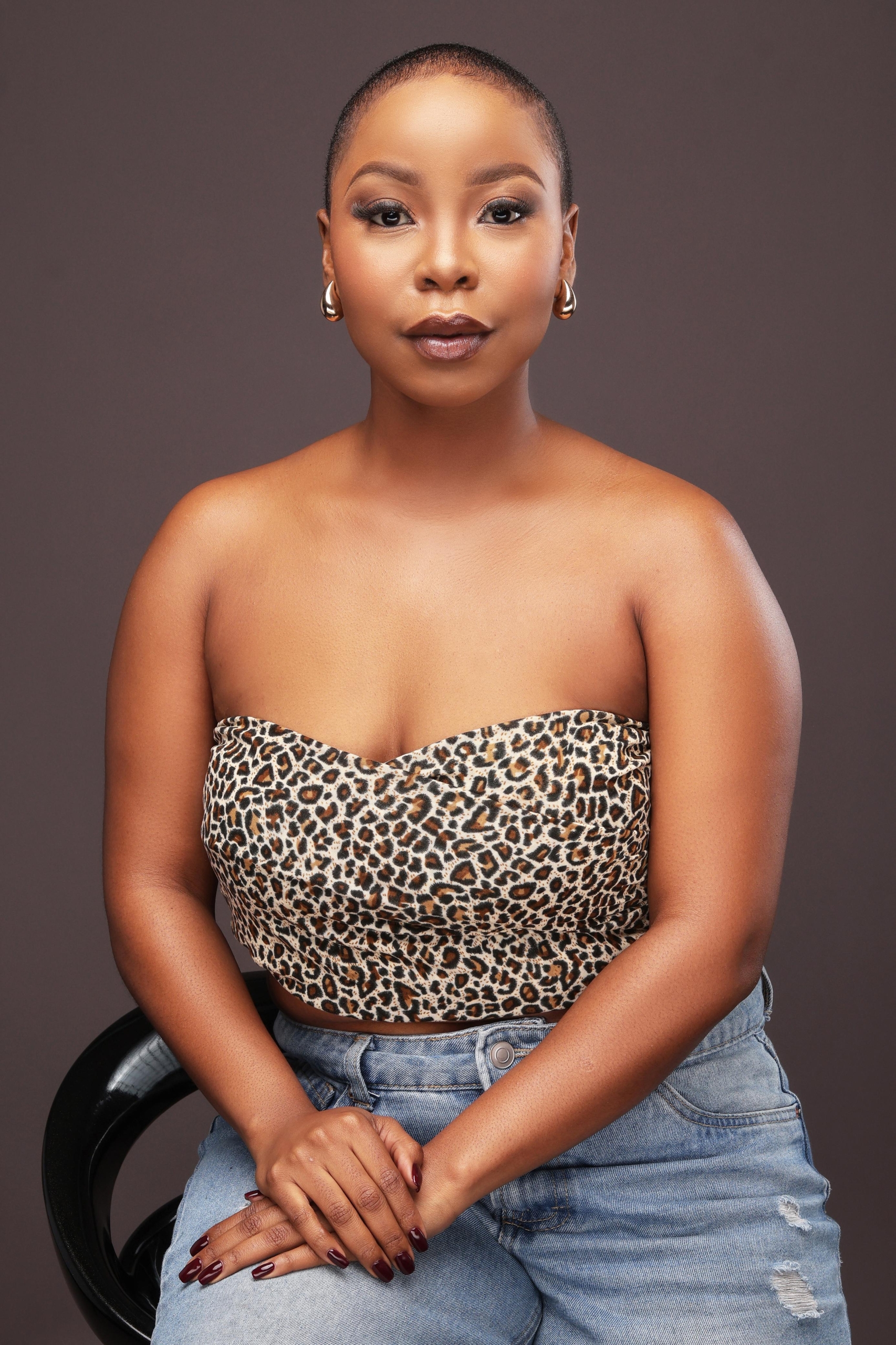
Long before television audiences knew her name, Didie was the child entertaining guests at family gatherings. She was loud, expressive and full of colour. While other children found comfort in following the crowd, she was drawn to carving her own path.
She attended a convent school, where she immersed herself in drama and dance, often as one of only a handful of Black girls in those spaces. When she discovered the National School of the Arts, she did not wait for guidance — she completed the application herself and presented it to her parents. Later, she did the same when applying to study drama at university.
“No one really had to coerce me into the career path that I took,” she says. “I was very clear, steadfast and intentional about it.”
That certainty would prove invaluable when she entered an industry filled with talented performers all competing for the same opportunities. As graduation approached, she began asking the question many young actors face: what would make her different?
The answer came unexpectedly during an African Languages course at university. What began as an attempt to complete academic credits became a life-changing journey into African history, language and identity.
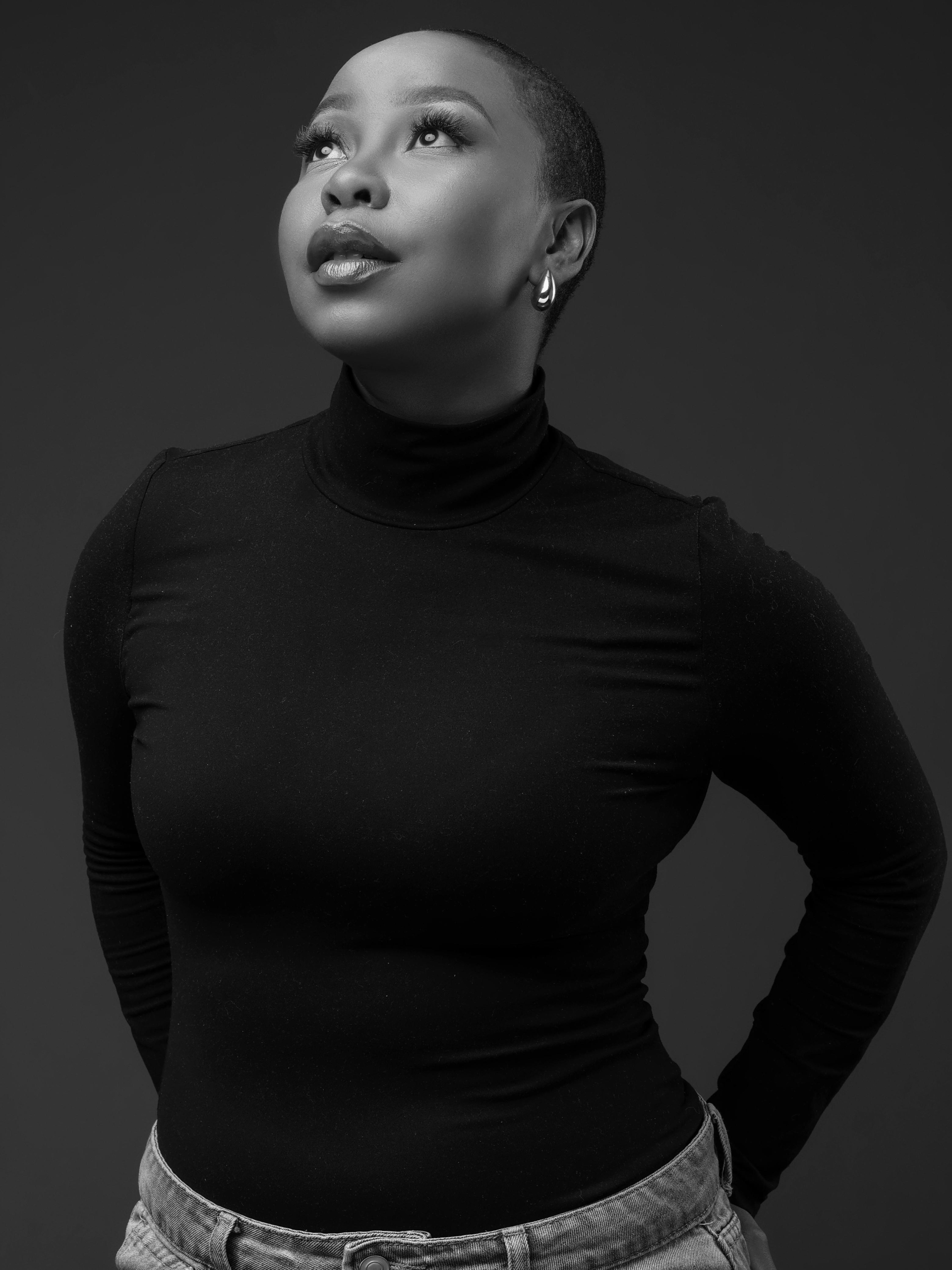
Learning about pre-colonial African societies reignited her pride in her heritage and deepened her appreciation for Sesotho. While many aspiring actors were strengthening their isiZulu and isiXhosa to improve their chances of landing roles, Didie made a different choice — she decided to sharpen her Sesotho instead.
It was not always easy.
“For years, I lost opportunities because productions were looking for isiZulu-speaking actors. Agents and producers would tell me I was perfect for a role, but the language requirements worked against me. Still, I refused to bend.”
“I said I’m going to stick to my guns,” she explains. “If you want a strong Sesotho-speaking person, I’m here. I’m available. I’m going to represent my people.”
Over time, that decision became her defining strength.
Producers began adjusting characters and storylines to accommodate her authenticity. What initially felt like a limitation slowly became her greatest advantage. More importantly, it became a lesson in taking up space without shrinking yourself to fit expectations.
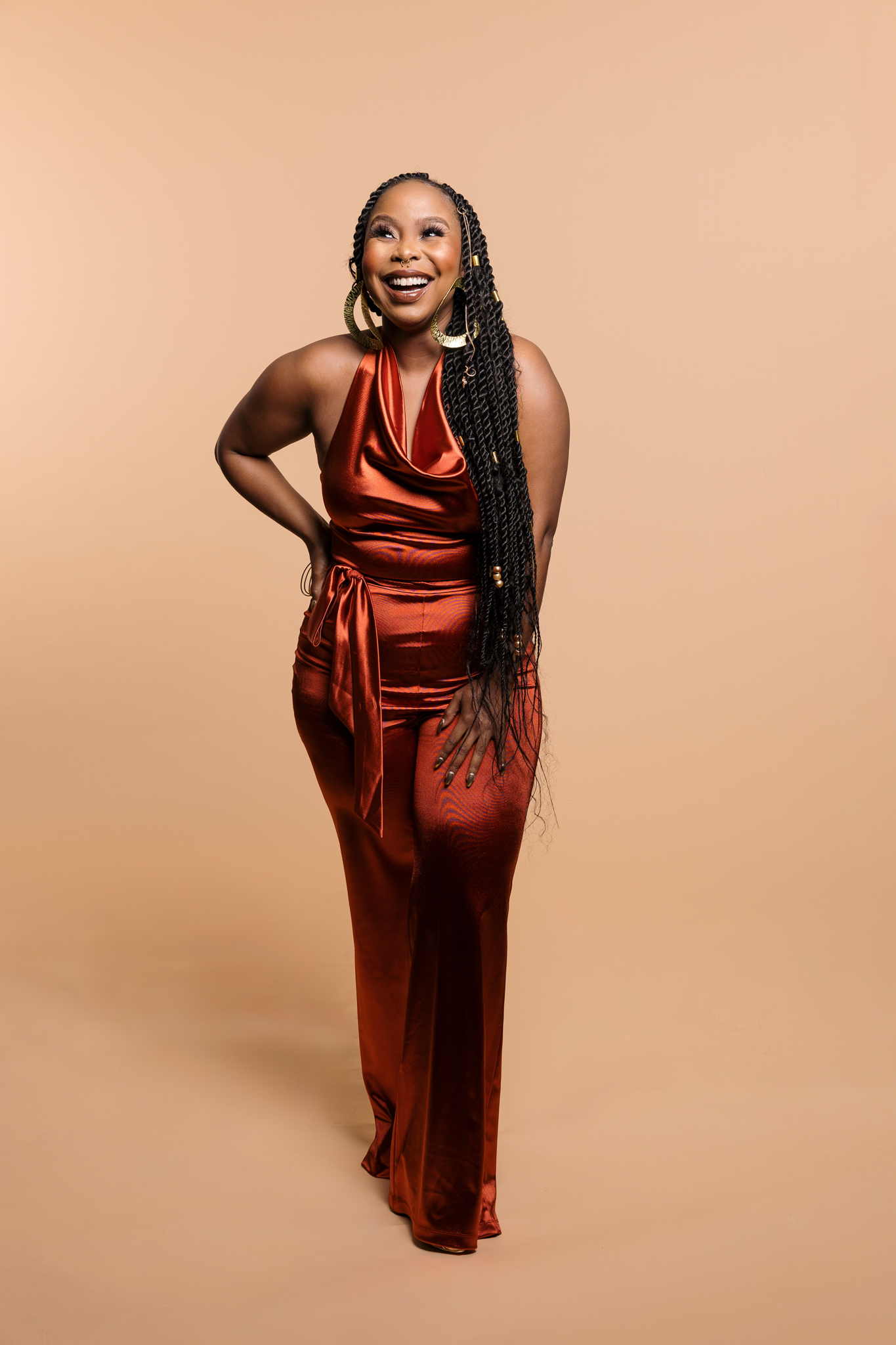
For Didie, authenticity is not simply a career strategy — it is a philosophy.
But like many artists, she has faced rejection, uncertainty and long periods without work. Behind the glamour of television lies an industry where success is unpredictable, and where actors often hear more “no’s” than “yes’s”.
“I’ve had to do a lot of healing from the rejection that comes with this industry, and from learning not to take it personally,” she admits.
Those silent moments between jobs often felt overwhelming. But over time, she learned to see them differently — not as failure, but as pause. A space for reflection, rest and growth.
“It’s constant work. You never really stop doing the work. Confidence is an inside job because life has highs and lows, and those things do take a knock on you.”
She speaks with deep gratitude about her parents and sister, describing them as the people who carry her through both triumph and hardship. And it is these experiences that have reshaped her entirely.
The passionate young actress who once stepped into the industry wearing what she calls “rose-coloured glasses” has evolved into someone who understands balance. She still loves her craft deeply, but no longer allows success or disappointment to define her worth.
Instead, she focuses on what she can control: her work, her growth and her purpose.
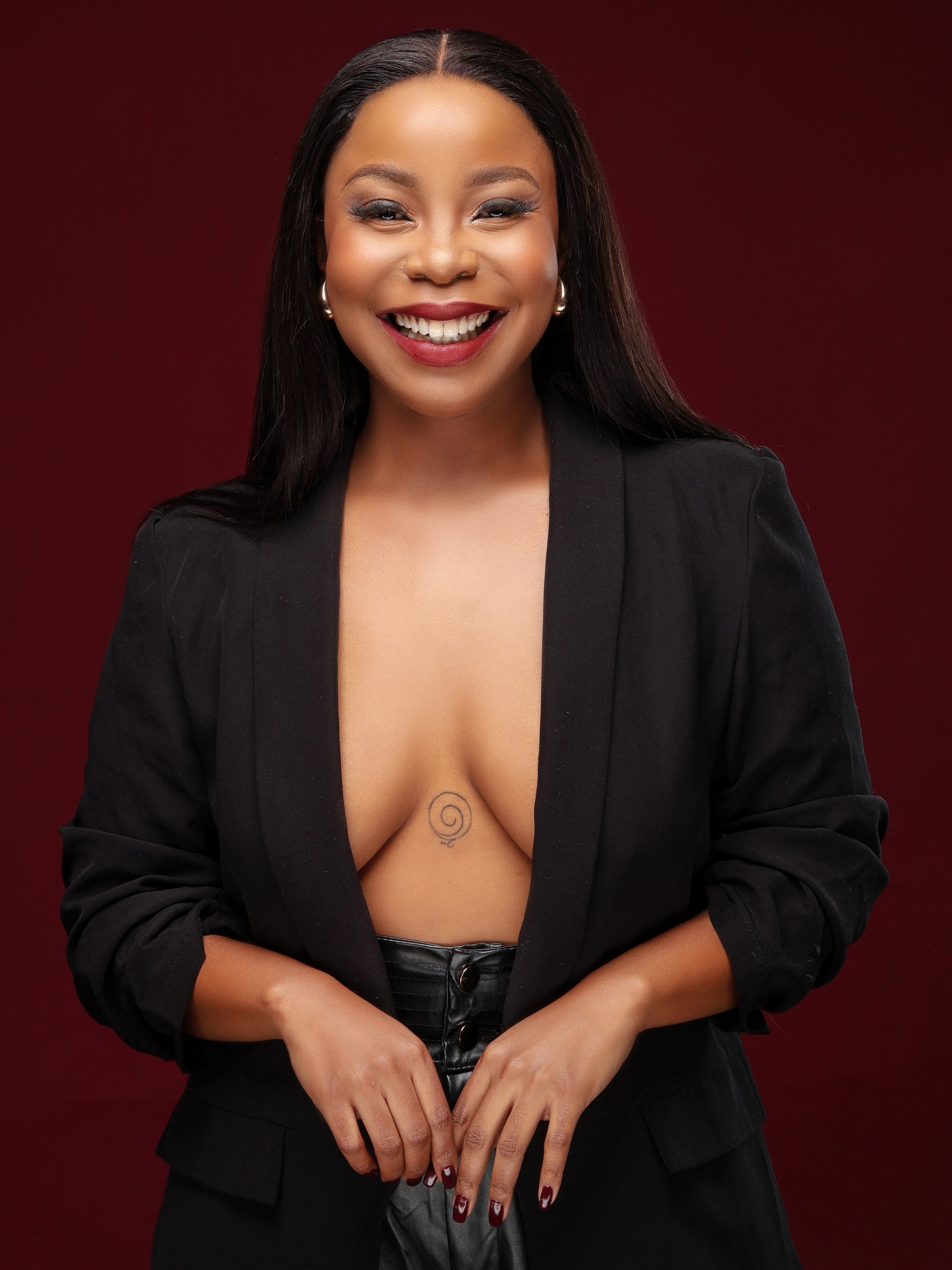
And that purpose is simple — to encourage others to trust themselves, to show that being different is not a weakness, and to prove that there is power in remaining true to who you are.
“If it’s something that’s etched in your heart, it’s not there by accident,” she says.
Today, Didie Makobane stands as more than an actress. She is a storyteller, a cultural advocate, and a woman whose journey is a quiet reminder that authenticity is not always the easiest path — but it is often the most rewarding.