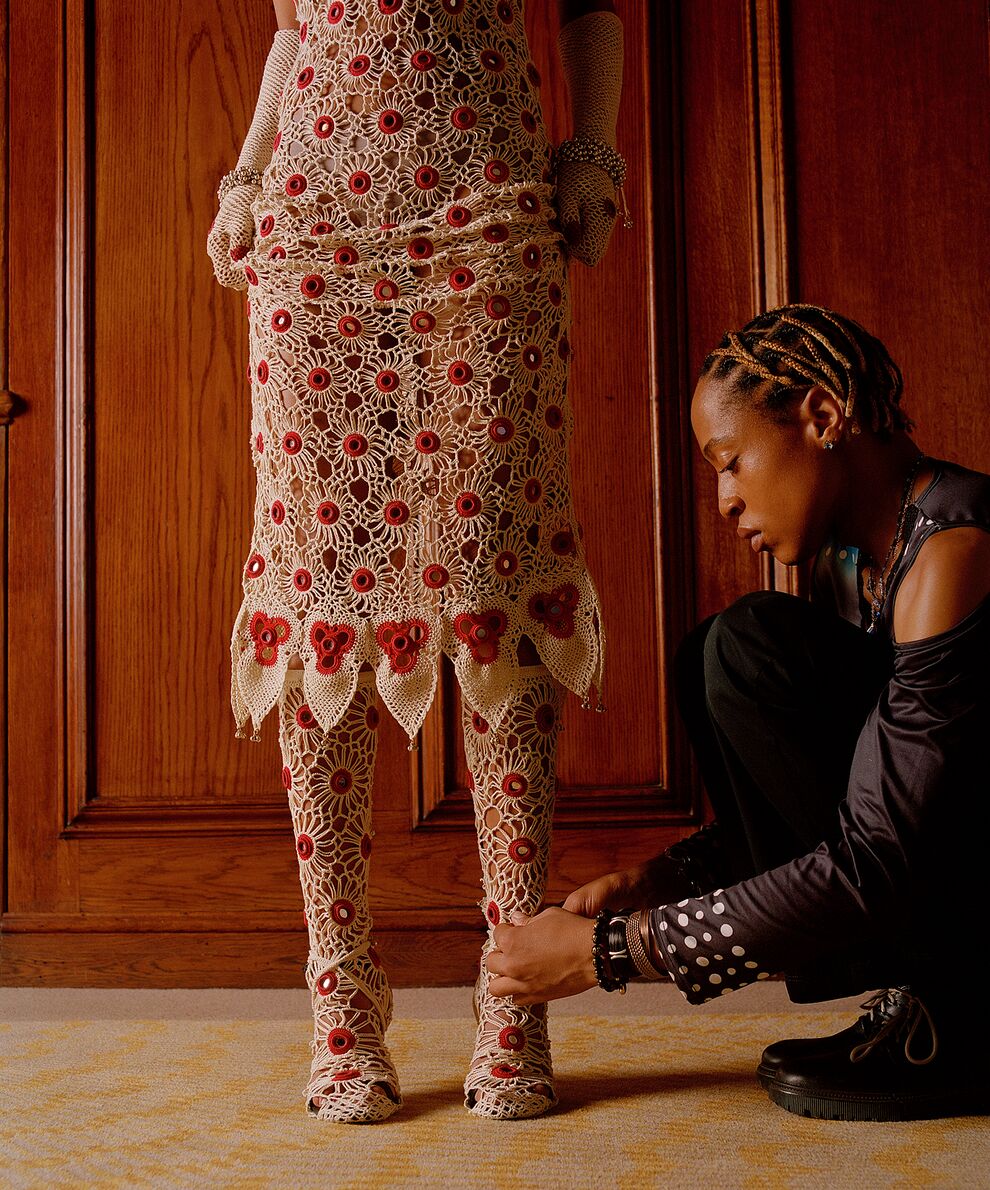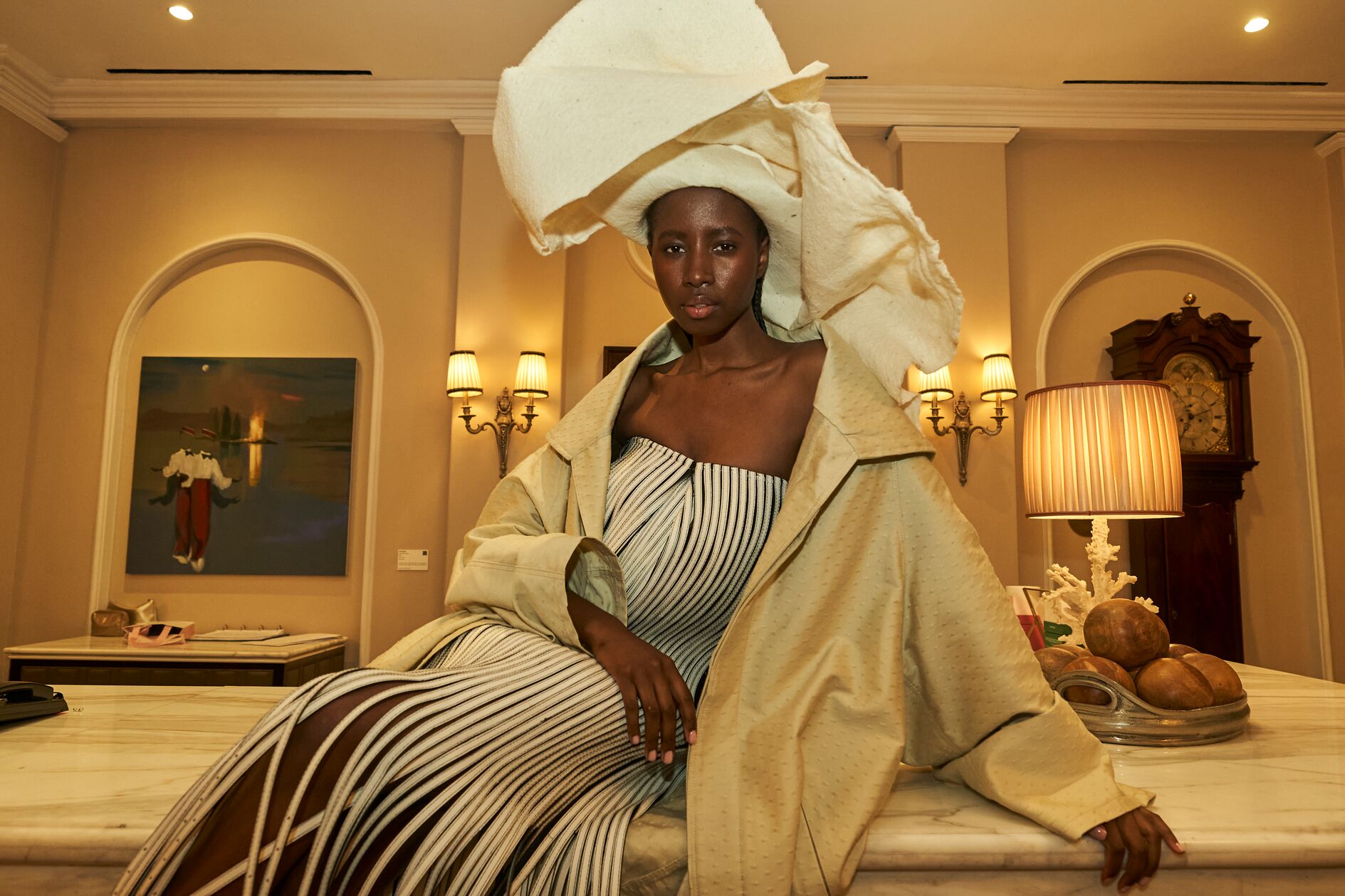
From reimagined cultural traditions to sculptural silhouettes and textiles with stories to tell, the fifth edition of CONFECTIONS X COLLECTIONS brings four distinctive African designers into conversation with the botanical beauty of Cape Town’s Mount Nelson.
Fashion becomes something far more enduring when the clothes we wear carry the stories of where we come from. This November, Mount Nelson, A Belmond Hotel, Cape Town, invites audiences to explore that connection through the fifth edition of CONFECTIONS X COLLECTIONS (CxC), a showcase celebrating African creativity, cultural heritage and the art of considered design.
Returning from 5 to 7 November 2026, the annual showcase, co-curated with independent sustainability platform Twyg, brings together four designers whose practices challenge conventional ideas of luxury while placing craftsmanship, identity and sustainability at the heart of contemporary fashion. Set against the hotel’s celebrated gardens, this year’s botanical theme creates a meeting point between the natural world and the cultural narratives woven into each collection.
More than a traditional fashion showcase, CxC offers an intimate encounter with the people, places and traditions informing African design. Its distinctive format pairs the hotel’s renowned afternoon tea confections with slow-fashion collections, bringing fashion and culinary artistry together in a setting that encourages audiences to engage with the stories behind the work.
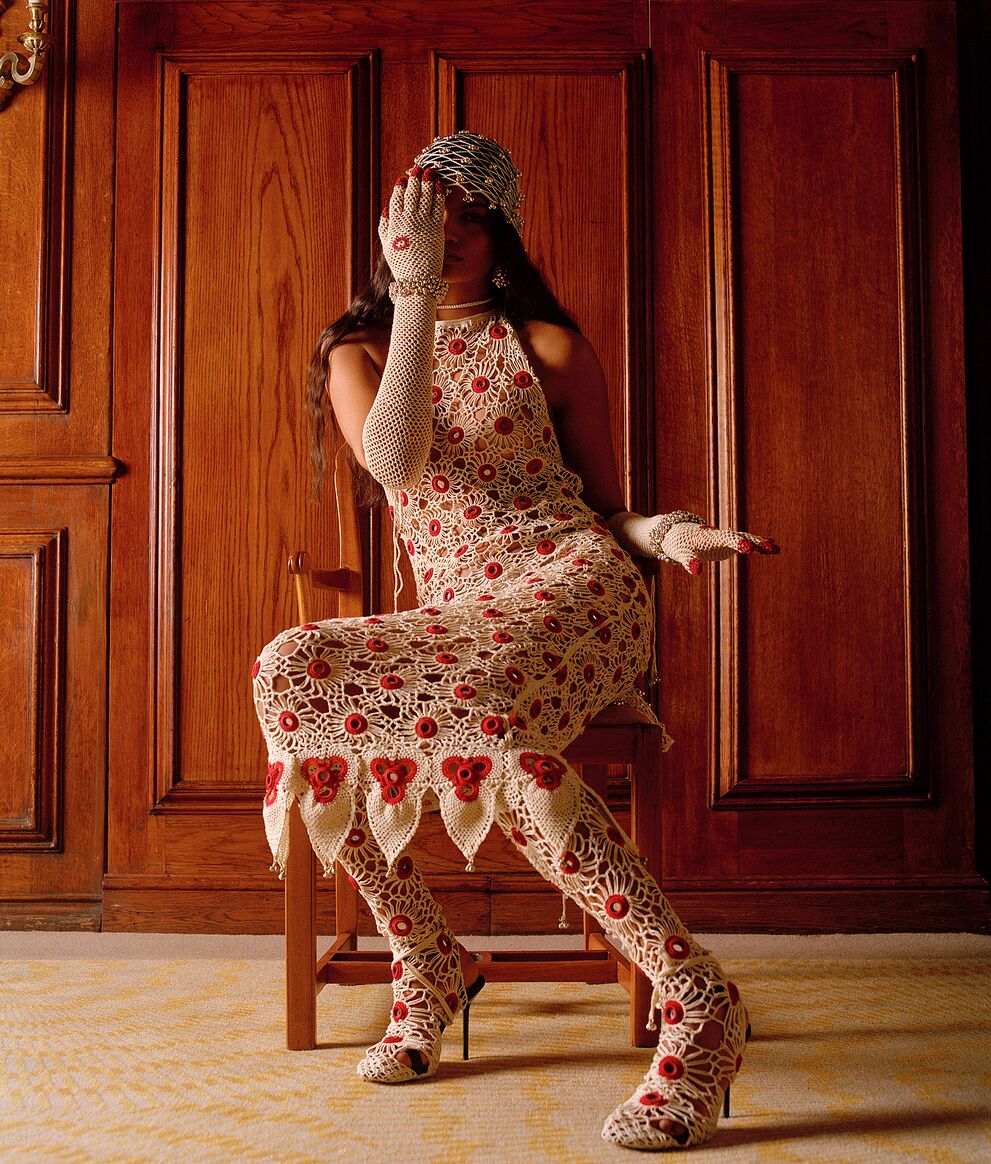
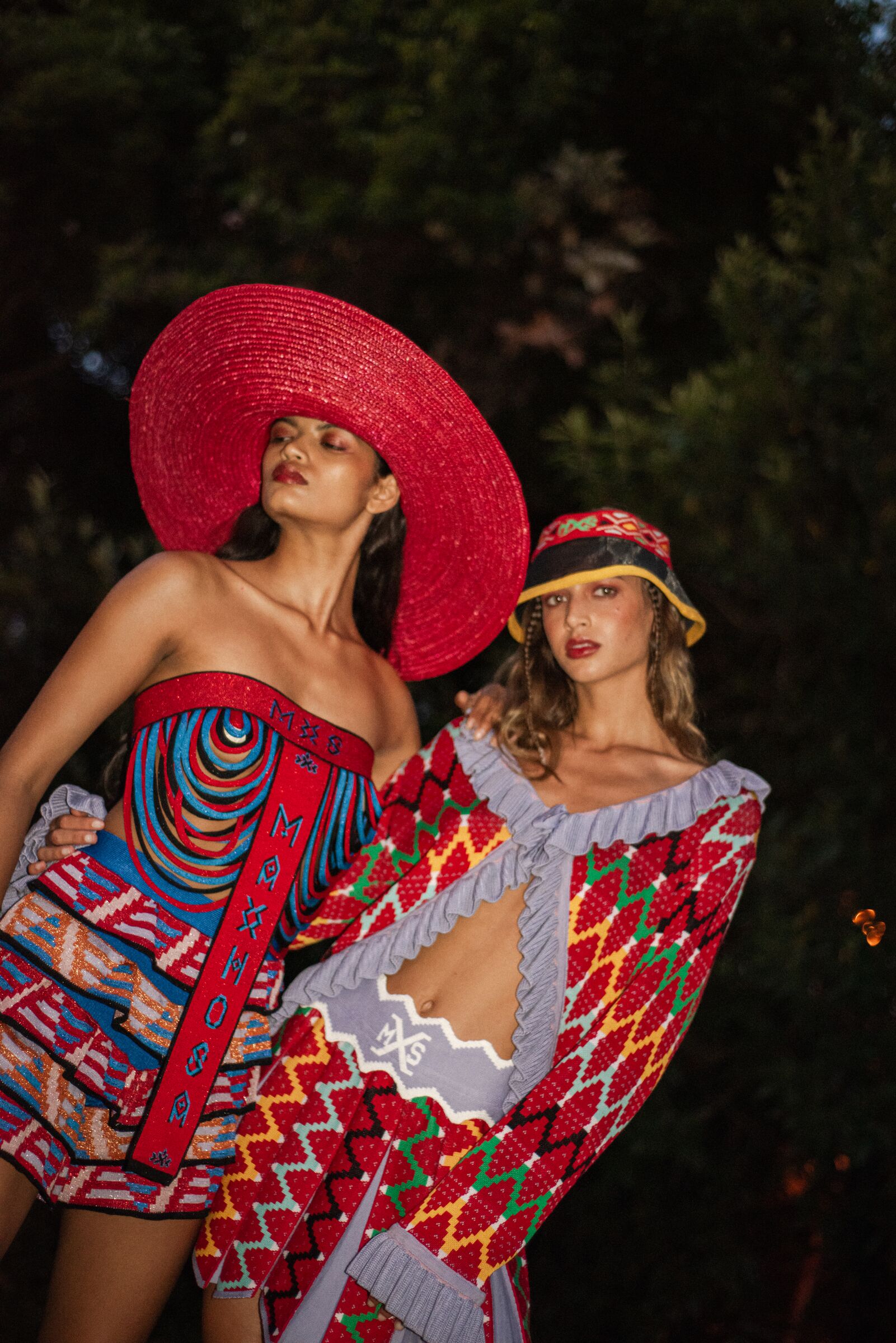
At the centre of the fifth edition are Nairobi-based Sevaria, Cape Town’s Onesimo Bam, Zimbabwean label Haus of Stone and Johannesburg designer Wanda Lephoto. Although their approaches differ in material, form and cultural reference, each explores how fashion can preserve memory, reinterpret tradition and offer new perspectives on African identity.
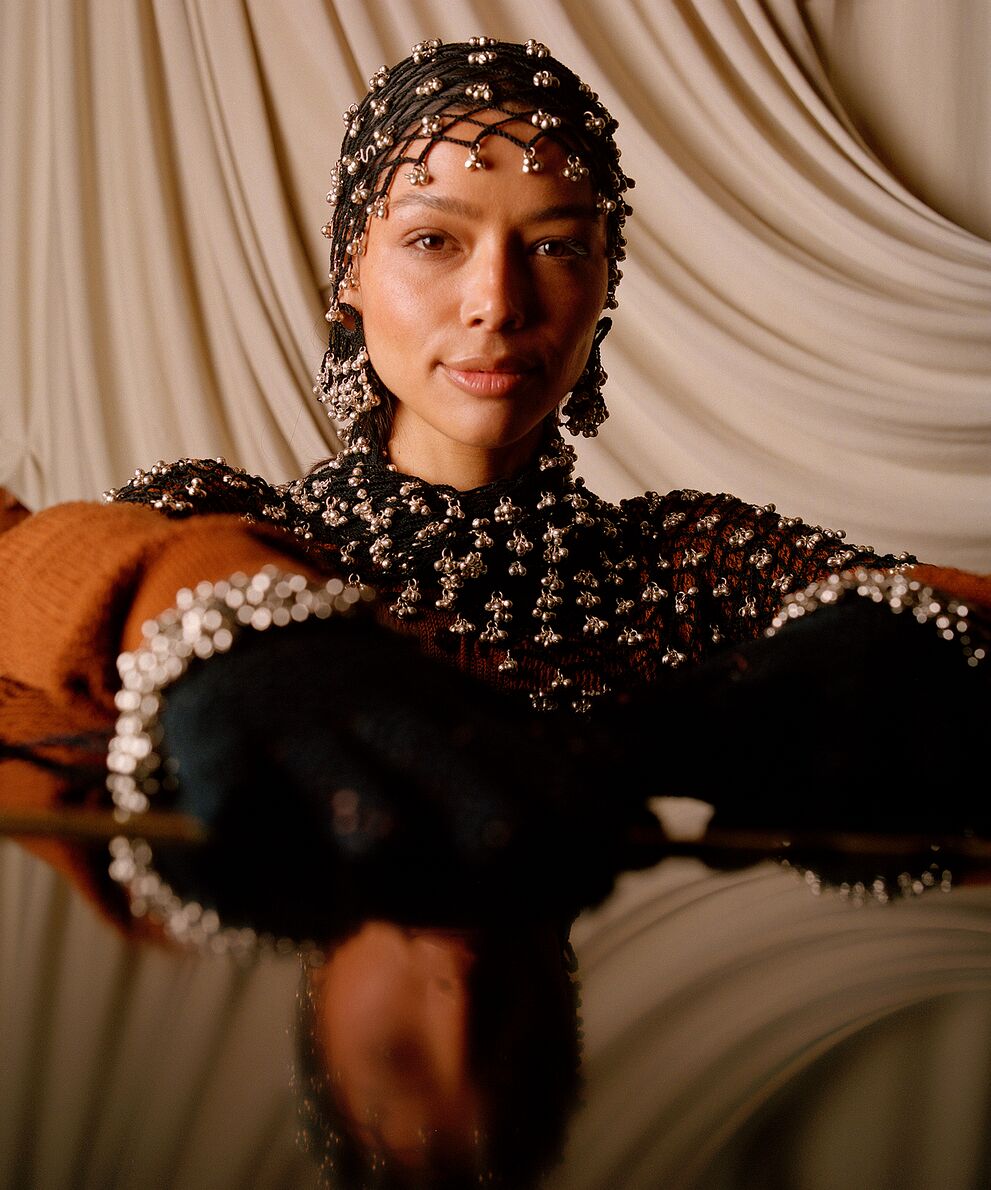
For Jamie Kimani, founder of Sevaria, fashion is a means of reclaiming the narrative around East African identity. The Nairobi-based designer draws on Kenyan cultural histories, spirituality and personal experience to create collections that combine precise tailoring with fluid drapery and an instinctively androgynous sensibility. References to Maasai, Samburu, Dinka and Surma cultures inform his work, with traditional markings, handwoven textiles and craft reinterpreted through expressive, gender-fluid silhouettes.
Material experimentation is equally central to Kimani’s practice. Sourcing discarded fabrics from second-hand markets, including Nairobi’s Gikomba, he transforms overlooked materials into distinctive garments. His exploration of weaving has brought cotton together with reclaimed polypropylene bags, while metal chain detailing recalls the rhythm and weight of Maasai adornment. Through this considered approach to material and meaning, Kimani creates work that looks to cultural heritage without confining it to the past. His participation in the British Fashion Council’s Creative DNA programme further reflects his growing presence within contemporary African fashion.
Onesimo Bam approaches design through the relationship between clothing, the body and emotion. Based in Cape Town, the designer works across fashion, surface design and performance, creating sculptural, cocoon-like garments from natural fibres. His size-agnostic pieces challenge conventional ideas of fit and proportion, allowing volume and drape to dictate form rather than forcing the body into predetermined silhouettes.
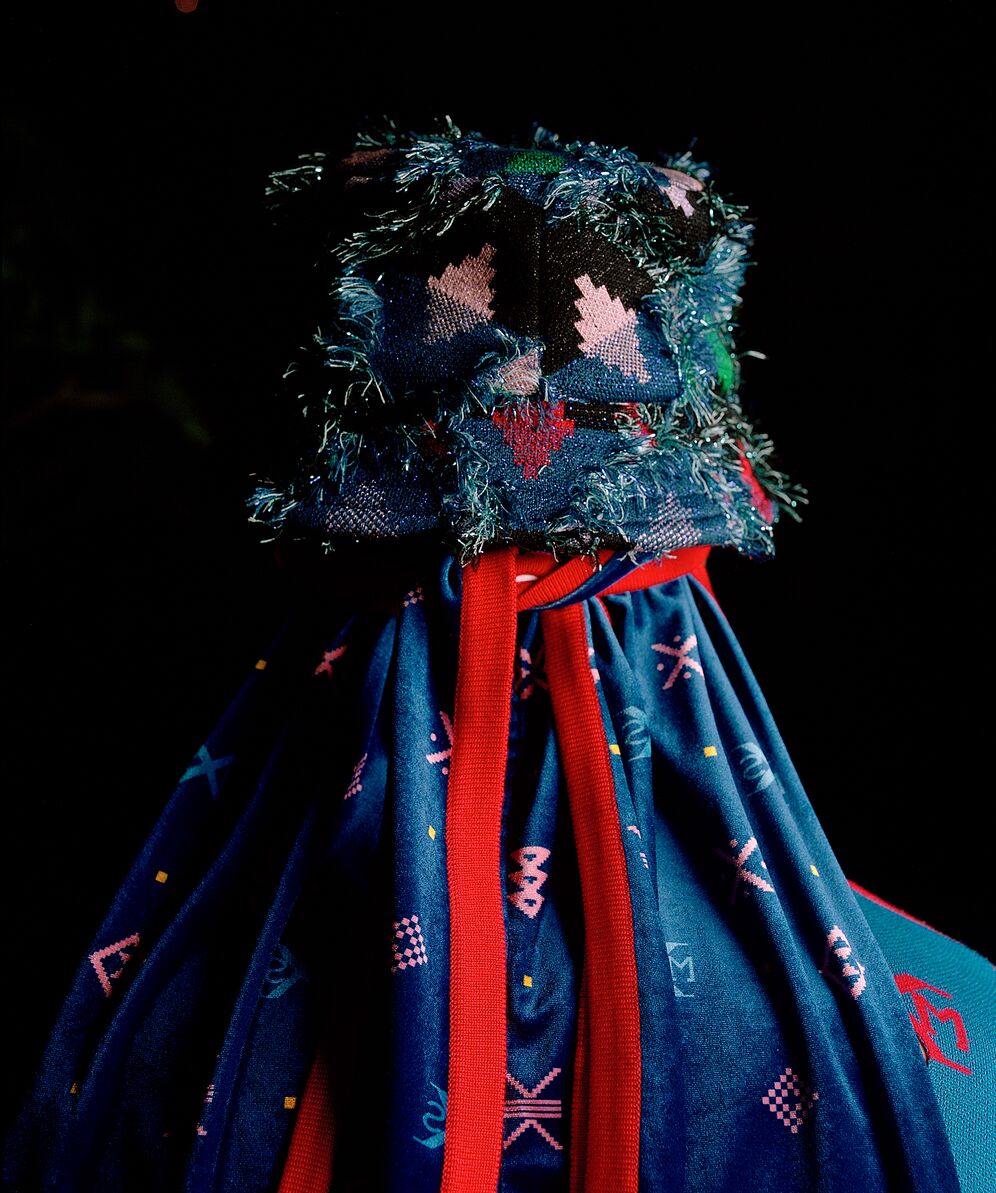
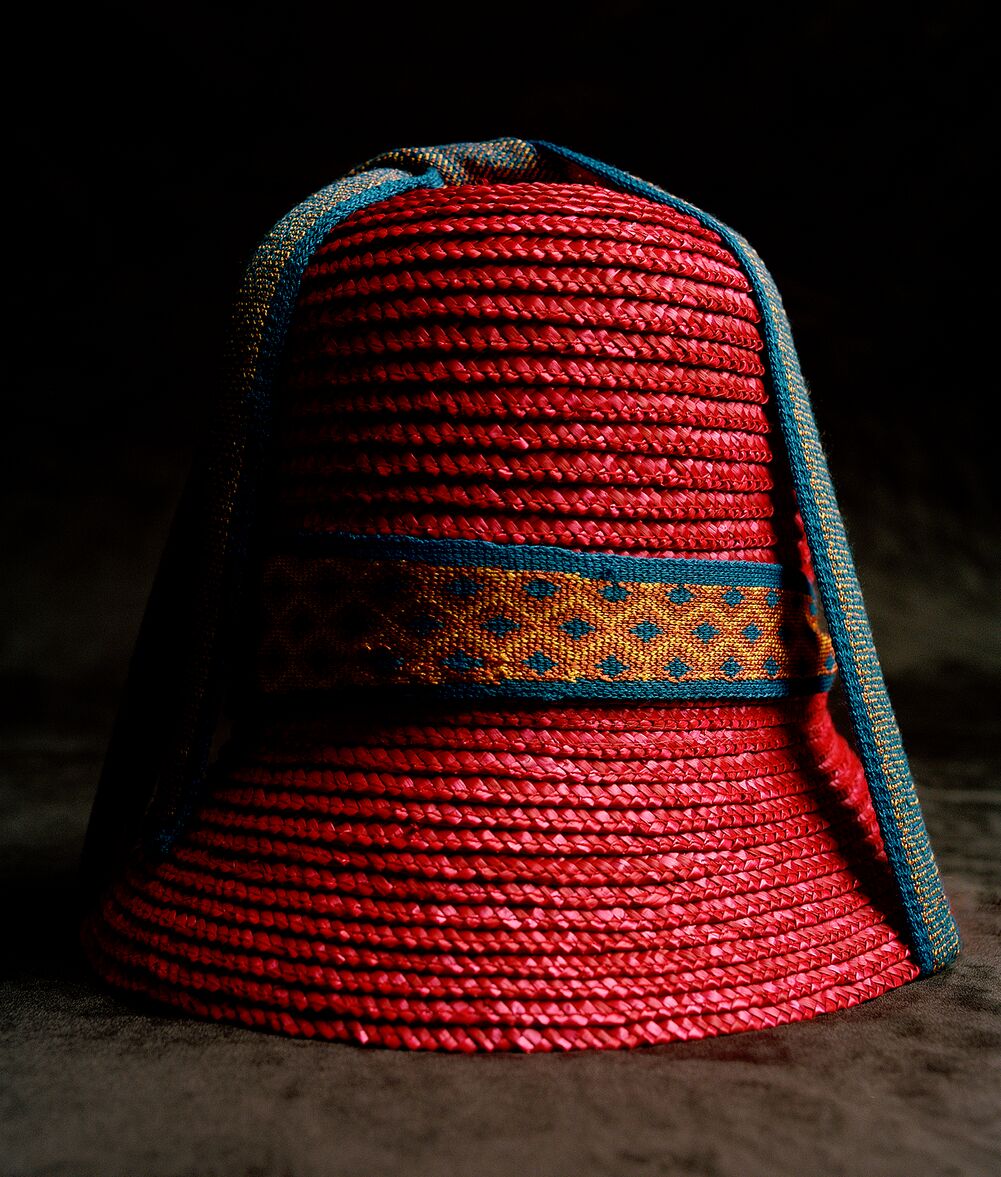
Informed by his upbringing in the Eastern Cape and a belief in collaboration, Bam draws on cross-cultural influences to explore how clothing can communicate feeling, preserve memory and foster connection. His practice positions fashion as an experience shaped as much by the person wearing a garment as by the hands that bring it to life. His most recent collection earned him the 2026 Africa International Design Award for Avant-Garde fashion, recognising an approach that places experimentation and expression at the forefront.
For Danayi Madondo, founder of Zimbabwean label Haus of Stone, clothing offers a way to hold and communicate cultural memory. Based in Harare, the designer, textile artist and visual storyteller draws inspiration from Zimbabwean heritage, handcraft and spirituality, translating these influences into a contemporary design language. The label’s name references the Shona meaning behind Zimbabwe, associated with stone buildings, reflecting Madondo’s desire to represent her country through fashion.
Describing herself as a fashion alchemist, Madondo treats garments as living archives, capable of carrying histories across generations. Slow, regenerative methods and richly tactile surfaces define her approach, with texture serving as a tribute to the time, skill and knowledge invested in every piece. Rather than separating tradition from innovation, Haus of Stone brings the two together through thoughtful material choices and an appreciation for the human hands behind the finished work. Through the British Council’s Creative DNA programmes, the brand has presented its work at London Fashion Week and the Intra-African Trade Fair in Egypt. Madondo also delivered a keynote address at Africa Textile Talks in 2025.
Returning to CxC for the third time, following his debut at the showcase in 2023, Wanda Lephoto brings a distinctly personal understanding of luxury to the programme. The Johannesburg-based designer draws on African cultural knowledge, research, memory and spirituality to inform contemporary tailoring, approaching clothing as an inheritance to be worn, cherished and passed down.
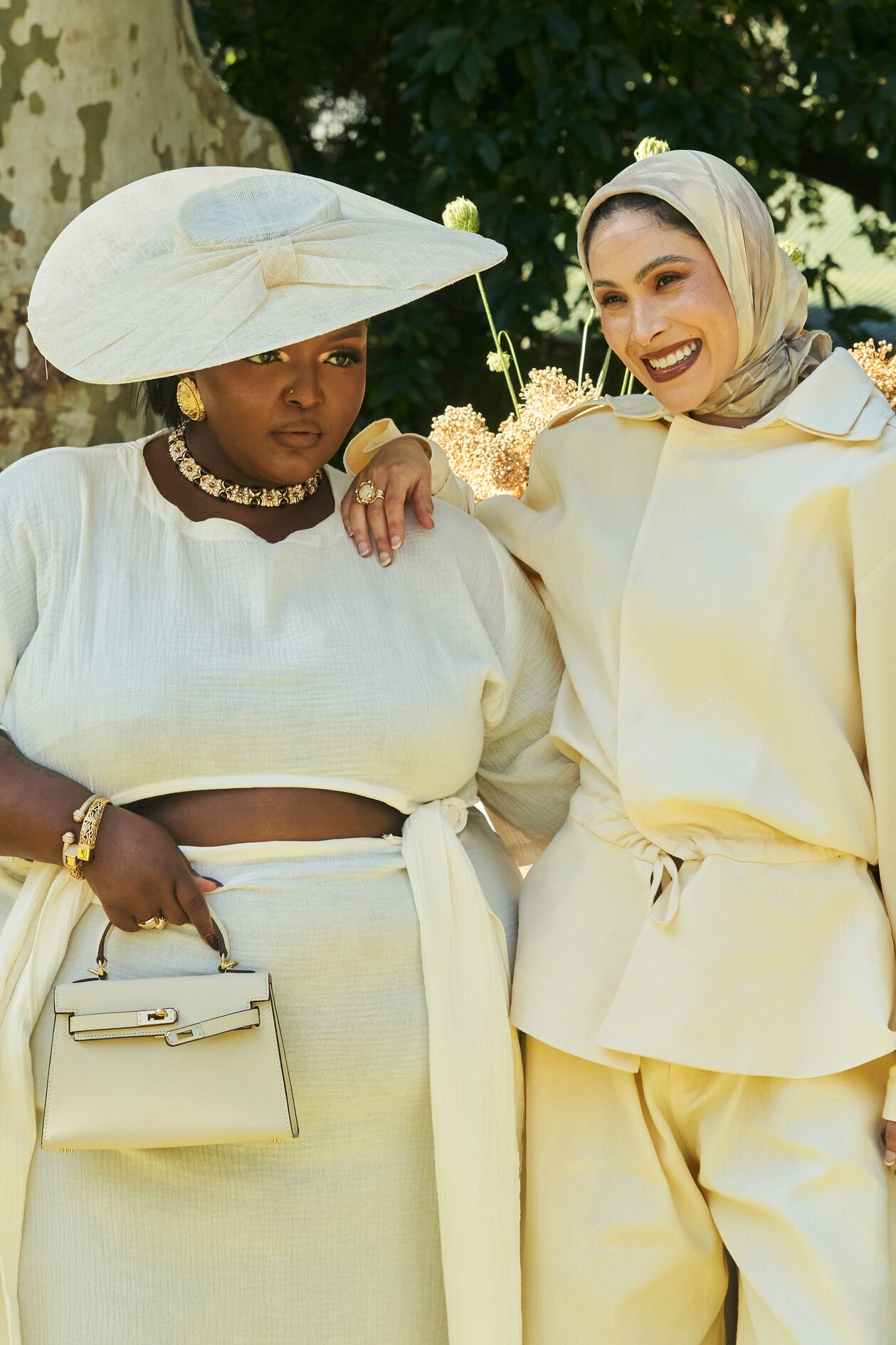
Family photographs, church dress and street culture inform Lephoto’s visual language, drawing from the details of everyday South African life to create work that resists a singular interpretation of African design. His garments invite a closer consideration of the relationship between personal history and collective identity, while their emphasis on longevity challenges the disposable nature of contemporary fashion. For Lephoto, a garment’s value extends beyond its immediate appearance to encompass the memories it accumulates and the relationships it sustains over time.
As co-founder of the influential creative collective The Sartists, Lephoto has also contributed to a wider conversation about the ways African identity can be expressed through contemporary style. His return to CxC reinforces the showcase’s commitment to nurturing lasting creative relationships while creating space for designers whose work continues to evolve.
Beyond the collections themselves, Mount Nelson’s gardens provide a fitting backdrop for this exploration of heritage and craftsmanship. Spanning nine acres, the historic grounds bring together rolling lawns, rose-lined pathways, fountains, mature trees and kitchen gardens filled with herbs. The landscape offers a natural extension of this year’s botanical theme, placing the designers’ interpretations of culture and craft within an environment shaped by time, growth and renewal.
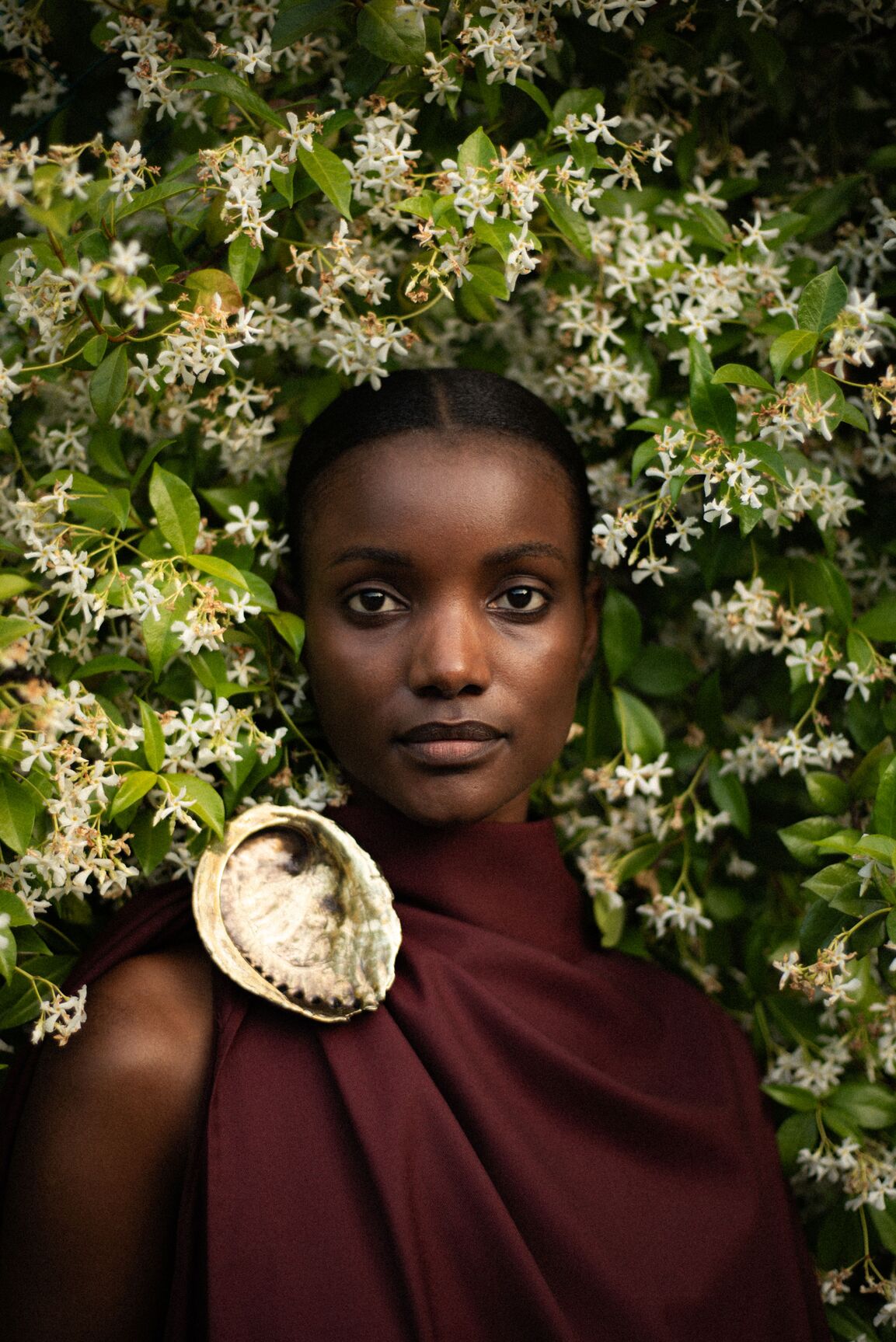
Art and sculpture punctuate the gardens, which have become a setting for cultural gatherings and exhibitions. For the fifth edition of CxC, the surroundings are more than a picturesque setting. They establish a dialogue between nature and human creativity, echoing the designers’ shared interest in materials, origins and the value of thoughtful making.
“The calibre and range of designers we’ve brought together for our fifth year of CONFECTIONS X COLLECTIONS is something we’re incredibly proud of,” says General Manager Patrick Fisher. “Each designer has a distinct point of view on our landscape and context, with designs that echo the beauty and character of Mount Nelson’s iconic gardens. It’s a wonderful setting to celebrate African creativity while capturing the spirit of the hotel in a way that feels truly special.”
With its fifth edition, CONFECTIONS X COLLECTIONS continues to create room for African designers to explore the intersections of heritage, sustainability and contemporary luxury. Through four distinct creative practices, the showcase invites audiences to look beyond the finished garment and consider the histories, resources and cultural knowledge that give fashion its lasting significance.
At Mount Nelson, where the gardens offer a living testament to the beauty of time and cultivation, the message is particularly resonant: the most compelling expressions of luxury are not simply made to be admired, but created to be understood, remembered and treasured.