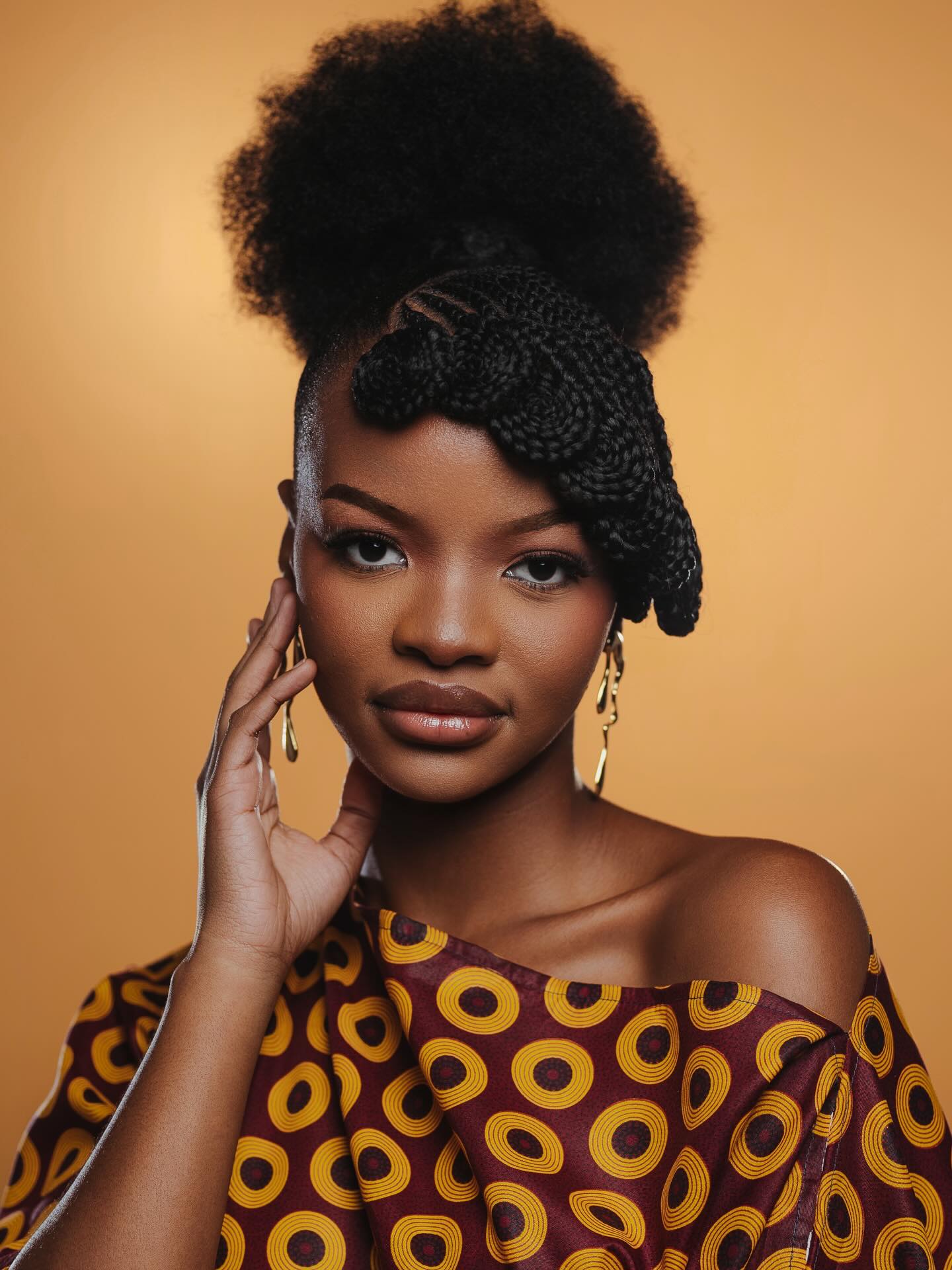
From a 11-year-old SA’s Got Talent winner to a storyteller shaping a generation, Botlhale Boikanyo reflects on purpose, poetry and why her greatest success lies in creating space for others to rise.
Fourteen years ago, a wide-eyed, confident 11-year-old girl from Mahikeng stepped onto the stage of SA’s Got Talent and did something no one had seen before. Armed only with her words and a belief bigger than her small frame—far bigger than her years—Botlhale Boikanyo became the first poet to win the reality show in its third season.
Today, at 25, that little girl has grown into one of South Africa’s most admired young storytellers. But beyond the accolades, the television appearances and the growing list of achievements, Boikanyo remains deeply rooted in the values that shaped her long before the spotlight found her.
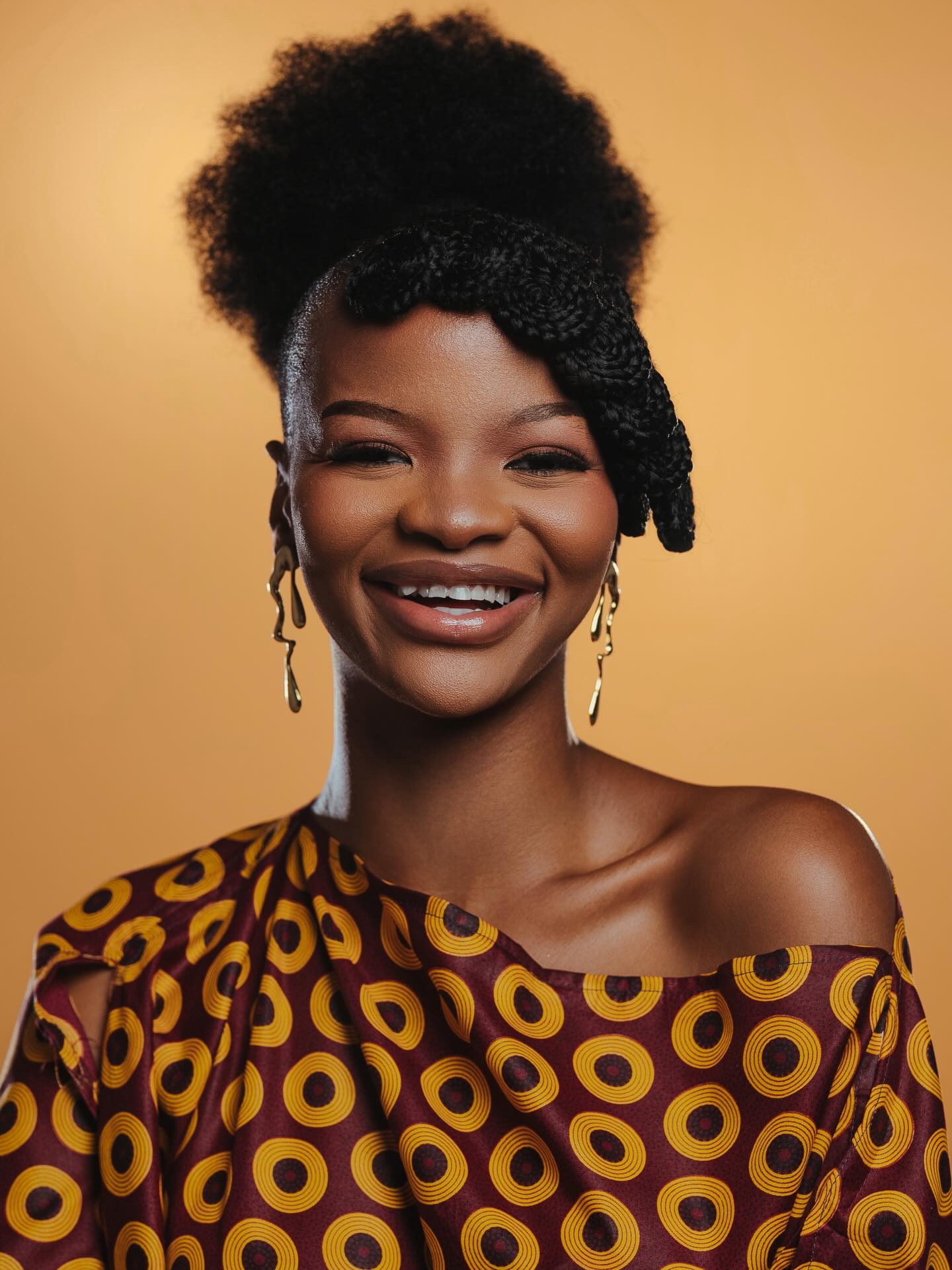
Warm, thoughtful and quietly introspective, the bubbly poet speaks often about family, community and purpose. Raised in Mahikeng among cousins, aunts, uncles and grandparents, she describes that 11-year-old as ambitious—someone who always dreamt beyond her limiting surroundings.
Many years later, she is achieving dreams that she never knew even existed within her, including her latest chapter, which sees her take on a role that feels almost destined: becoming the face of the second season of the award-winning Breaking Down Borders Africa Tour.
“This one was definitely a very surreal one,” she says with a laugh.
“It sits at the intersection of the things I am already passionate about—youth voices, storytelling, creativity, travel and community.”
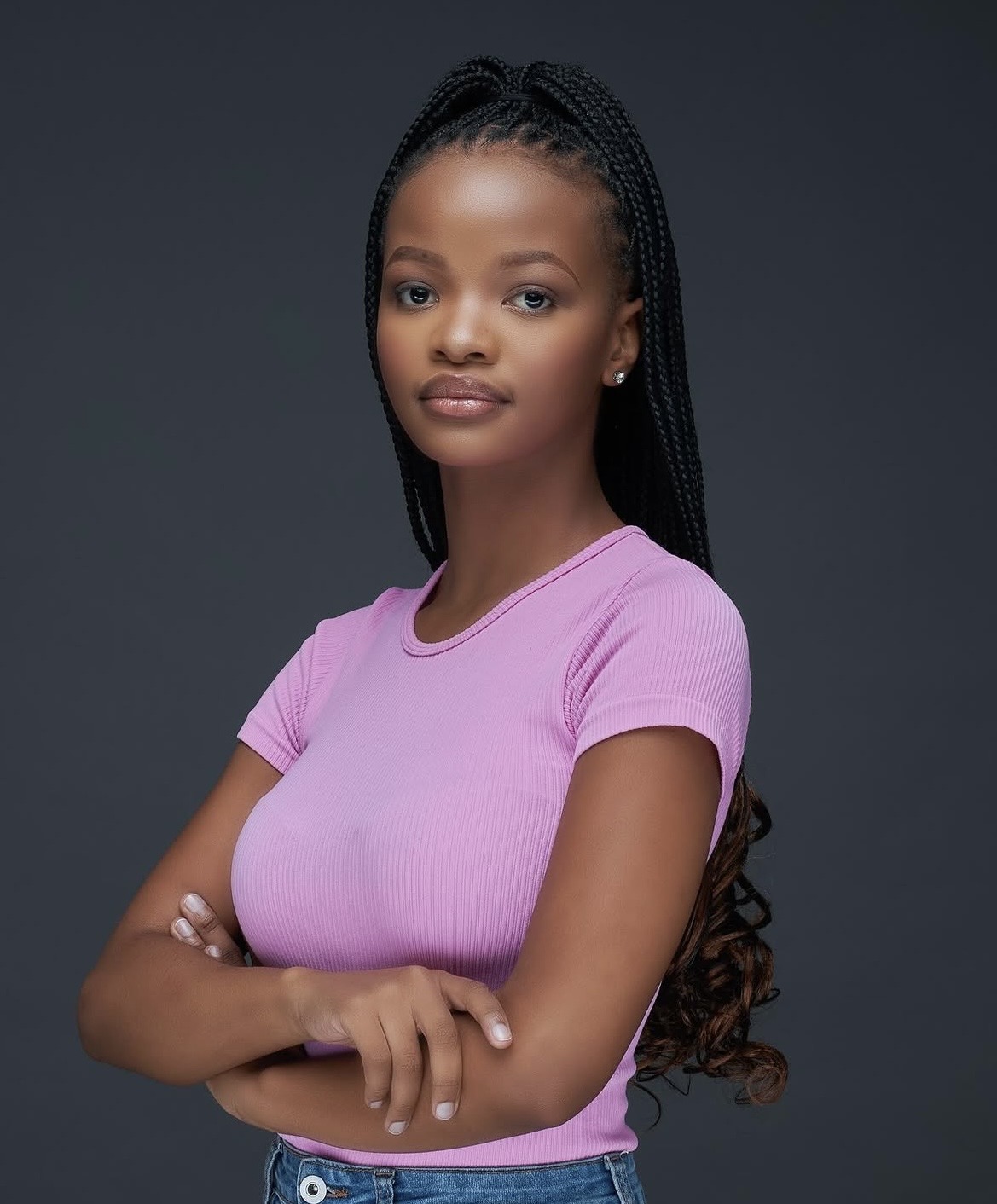
The pan-African initiative, which explores history, culture, heritage and social issues across the continent, will take Boikanyo to several African countries while introducing viewers to the stories of young people shaping their communities. It is a responsibility she embraces wholeheartedly.
But more importantly, this is an opportunity to make an impact, which lies at the heart of everything she does. At the centre of her work is a simple belief: stories have the power to bring people together.And at a time when divisions often dominate headlines, Boikanyo sees storytelling as a way to challenge stereotypes and remind Africans of their shared humanity.
“I think breaking down borders is really about dismantling those ideologies that have villainised us and pinned us against each other,” she says. “It is about humanising who we are as people.”
As such, this role feels like a natural extension of the work she has already been doing through the Botlhale Boikanyo Foundation, where she hosts storytelling workshops and empowers young people to find their voices.
Perhaps that is why, when reflecting on her own journey, she speaks less about personal success and more about creating opportunities for others.
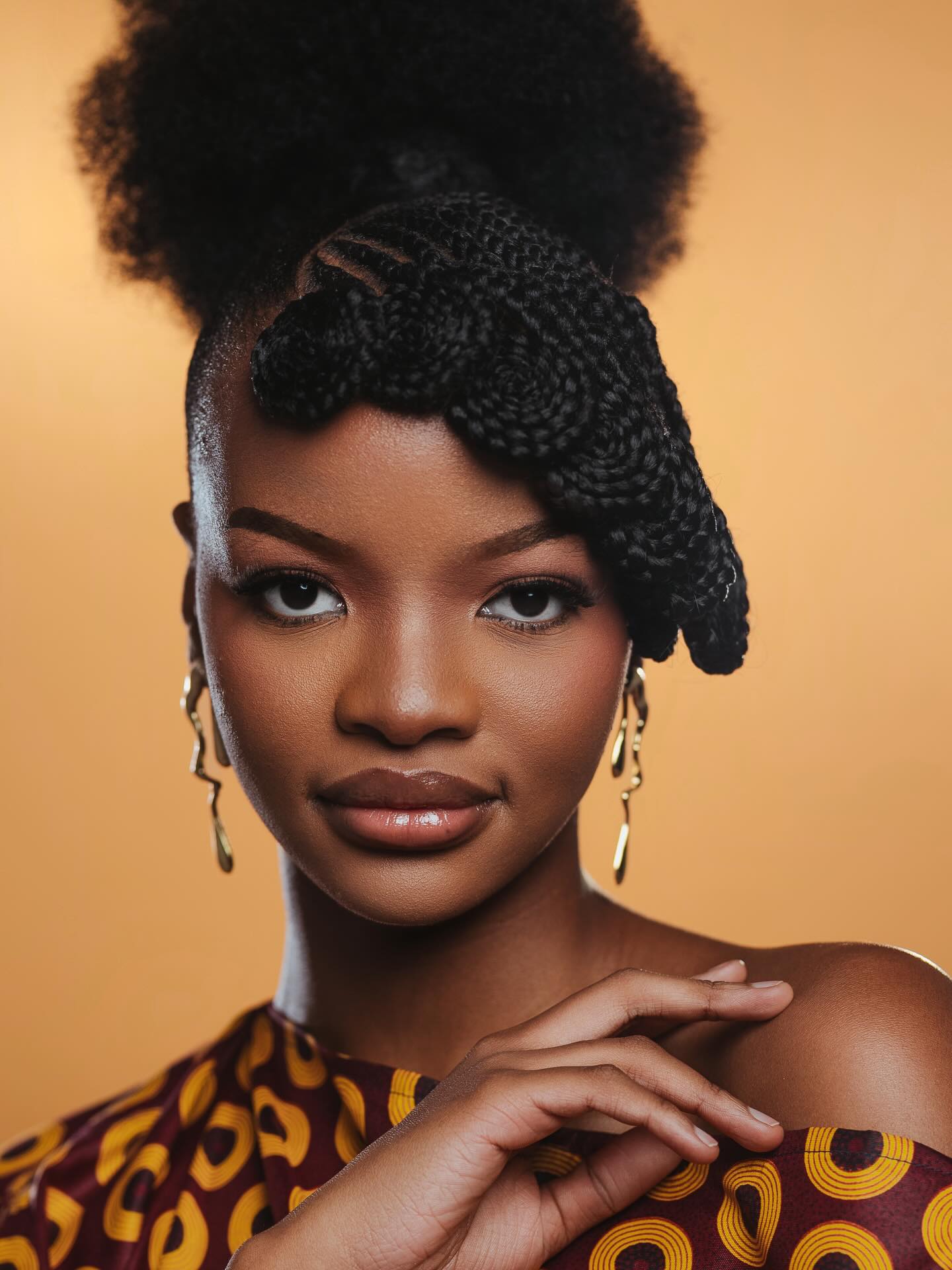
Her own journey with poetry began unexpectedly. When a teacher, many years ago, asked learners to perform a poem about HIV and AIDS at a school concert, many of the other pupils struggled to prepare. Young Botlhale, however, spent the weekend practising with her mother, who helped her memorise the piece and add movement to her performance.
By Monday, she was the only learner ready to take the stage.
What followed would unknowingly shape the course of her life.
From church gatherings and school events to community functions, Boikanyo found herself performing wherever she could. At first, she simply enjoyed being on stage.
“I loved being the centre of attention,” she laughs.
Over time, however, poetry became something deeper. It became a tool for self-expression, a way to process the world around her and, ultimately, a vehicle for purpose.
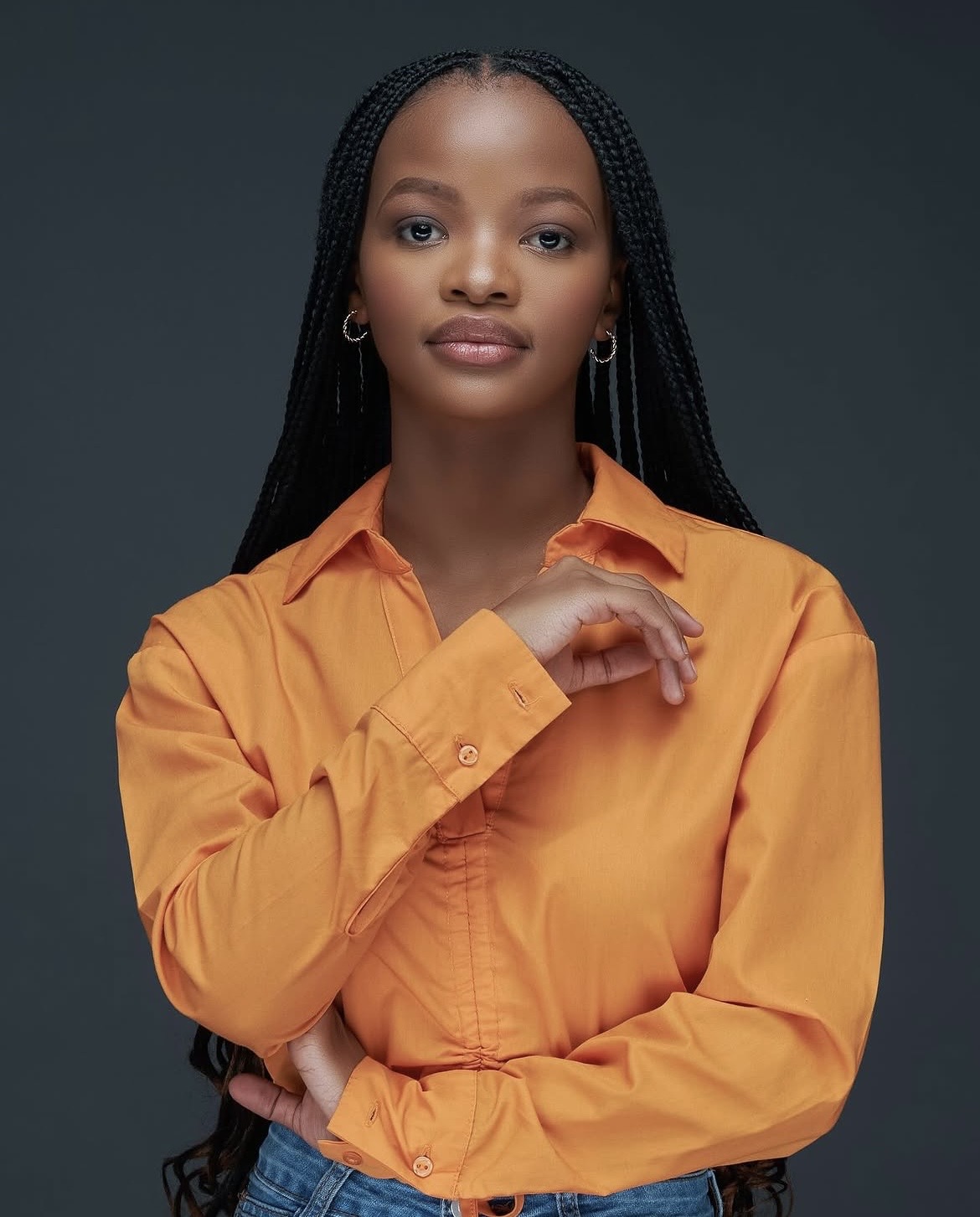
Looking back on her SA’s Got Talent victory, she remains deeply grateful—not only for the platform but also for how warmly South Africans embraced her.
“That changed the trajectory of my life completely,” she reflects.
Yet navigating public life from such a young age was not without challenges.
While many child stars struggle under the weight of public expectations, Boikanyo credits her grounding in faith, family and community for helping her remain anchored.
“I quickly had to learn that the loudest voice has to be my own internal voice,” she says.
As social media evolved and public scrutiny intensified, she focused on staying connected to her values rather than external opinions.
“The work of self is constant,” she explains. “You have to keep returning to yourself and doing the internal work.”
That commitment to growth has allowed her to evolve without losing sight of who she is.
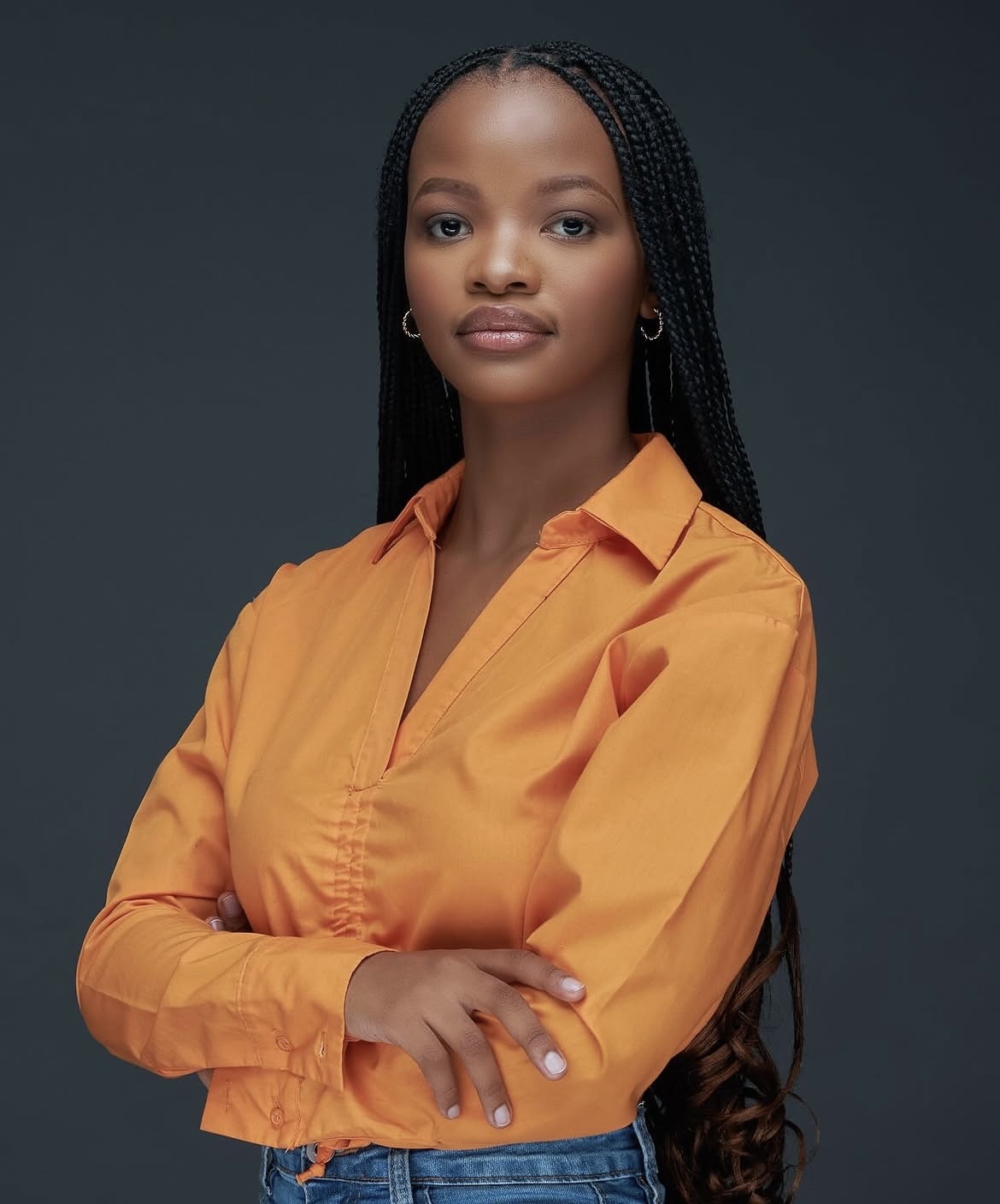
Over the years, she has expanded her creative footprint through acting, presenting and filmmaking while remaining fiercely committed to poetry. Rather than viewing these disciplines as separate pursuits, she sees them as different expressions of the same calling.
“Poetry can exist everywhere,” she says.
Interestingly, despite her confidence on stage, Boikanyo reveals that she is naturally introverted. The commanding performer audiences see is only one side of her personality.
“If you find me backstage, you’re probably finding me in a corner somewhere,” she says, laughing.
It is a contrast that makes her story all the more remarkable—the shy girl who continues to find her loudest voice when it matters most.
Perhaps that is why success has never been the point for Boikanyo. Not the trophies, the television appearances or the applause.
For her, the real measure of impact is whether someone else feels seen enough to tell their own story.
The same philosophy informs her work through the Botlhale Boikanyo Foundation, her commitment to nurturing young voices, and her excitement about joining the Breaking Down Borders Africa Tour. Every chapter of her journey seems to circle back to one thing: creating space for others.
Fourteen years after captivating a nation with a poem, she is still opening doors with her words—only now, she is making sure others can walk through them too.
“I don’t want to be the last Botlhale,” she says.