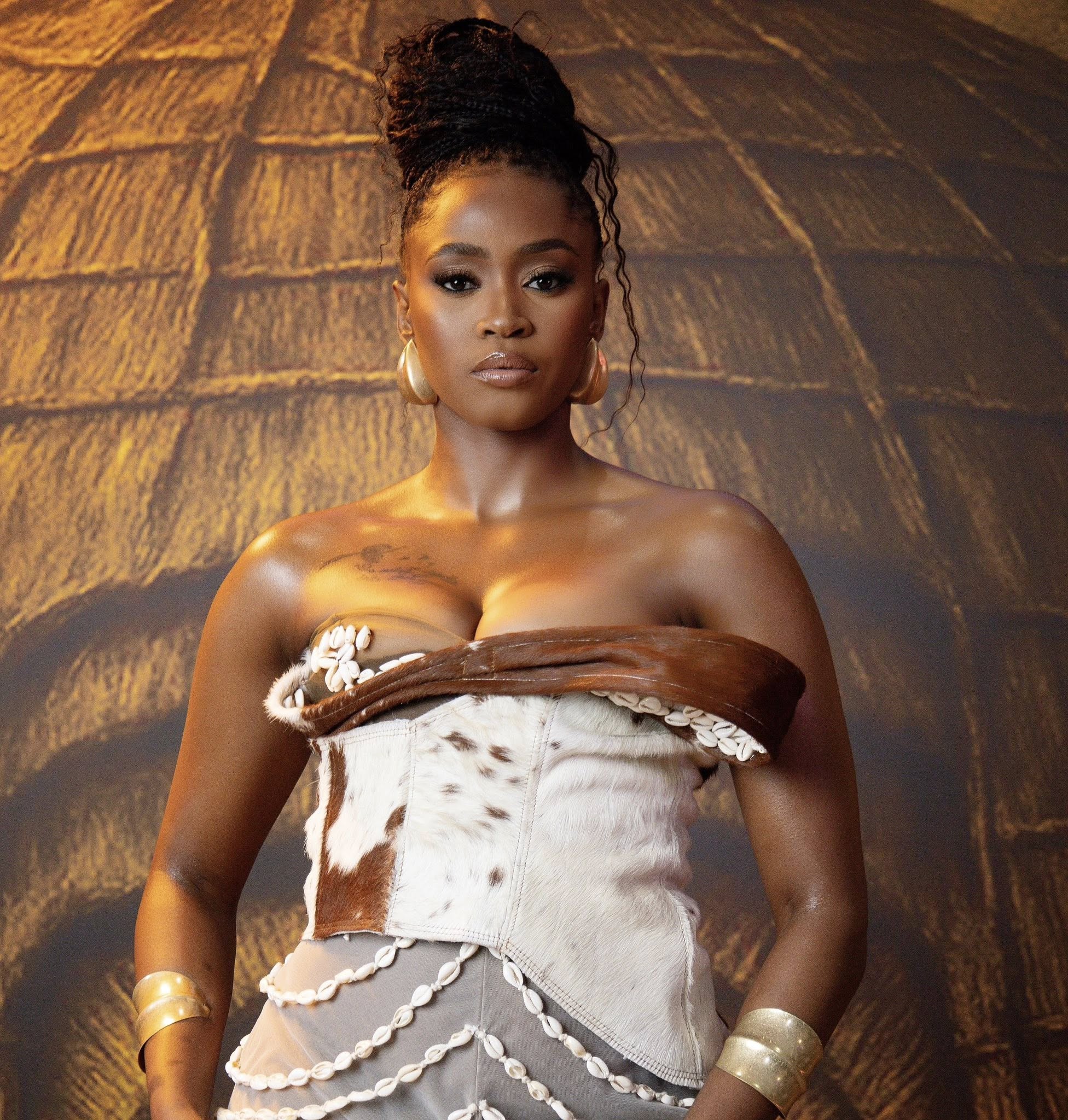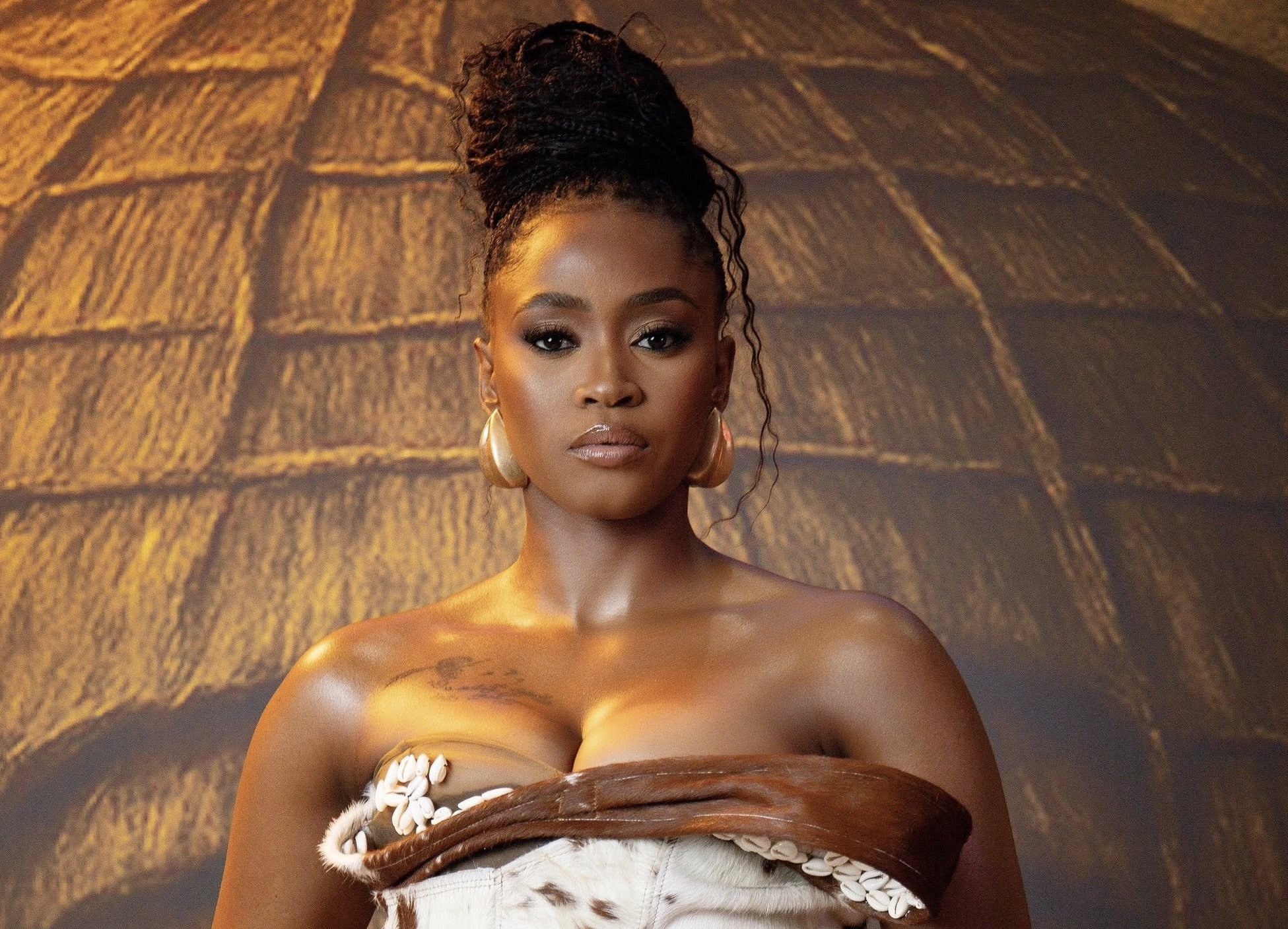
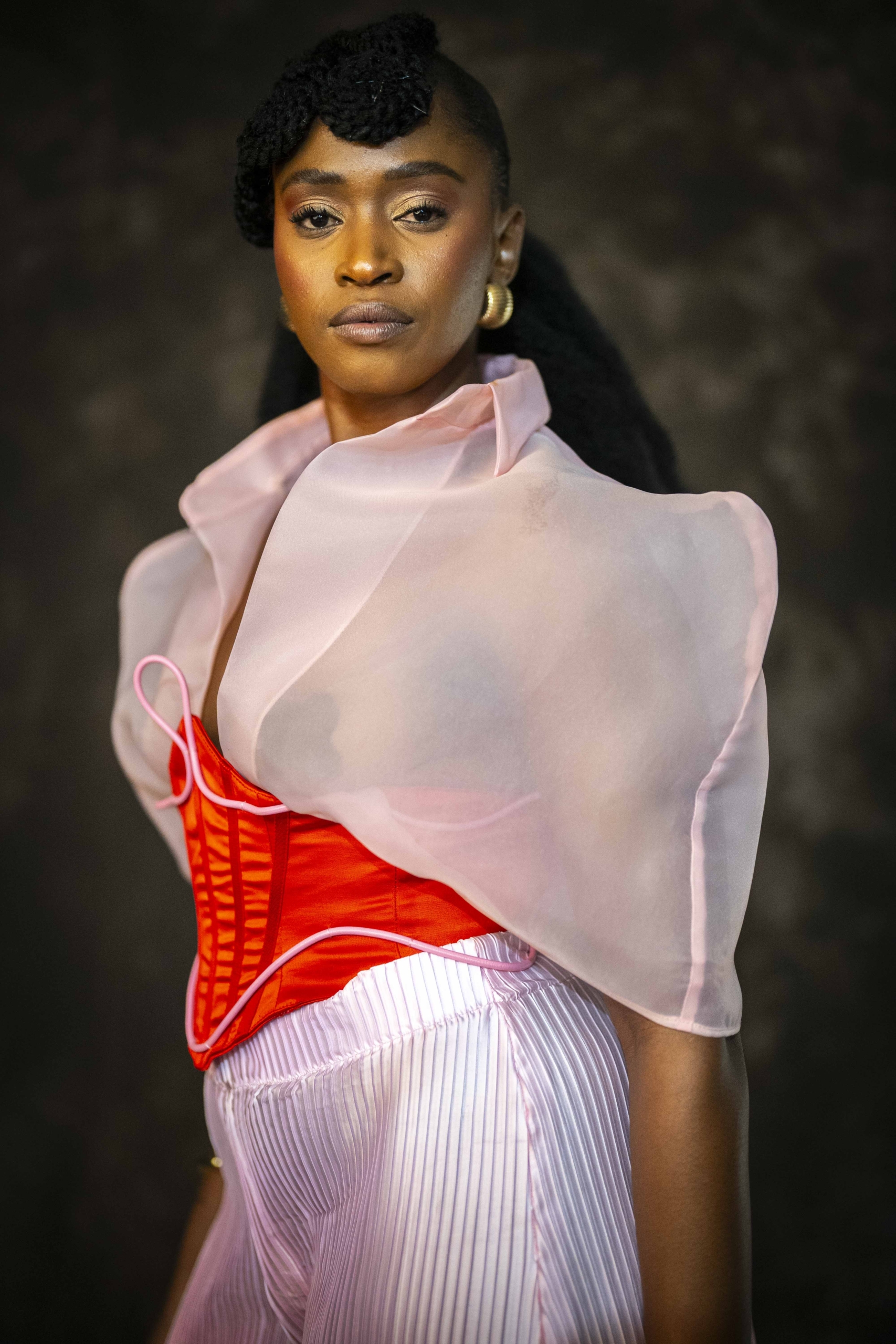
From childhood solitude to a lead role in Shaka iLembe, Amanda Seome’s journey is one of quiet strength, artistic passion, and a powerful tribute to the woman who raised her.
Amanda Seome has made her mark—etched powerfully into one of the most defining African stories to ever grace television: Shaka iLembe.
She’s no newcomer to the industry, with an impressive list of credits to her name, including How to Ruin Christmas, SABC 1’s Side Dish, and several Mzansi Magic Lokshin Bioskops. But landing a role on the award-winning Shaka iLembe signalled a powerful and undeniable shift in her career.
“I didn’t audition just once for the show—this was actually my second time. I remember the first round—Thembinkosi had recommended me because we went to school together and he’d seen my work—and the sheer number of actors there proved how much everyone wanted to be part of it,” she recalls.
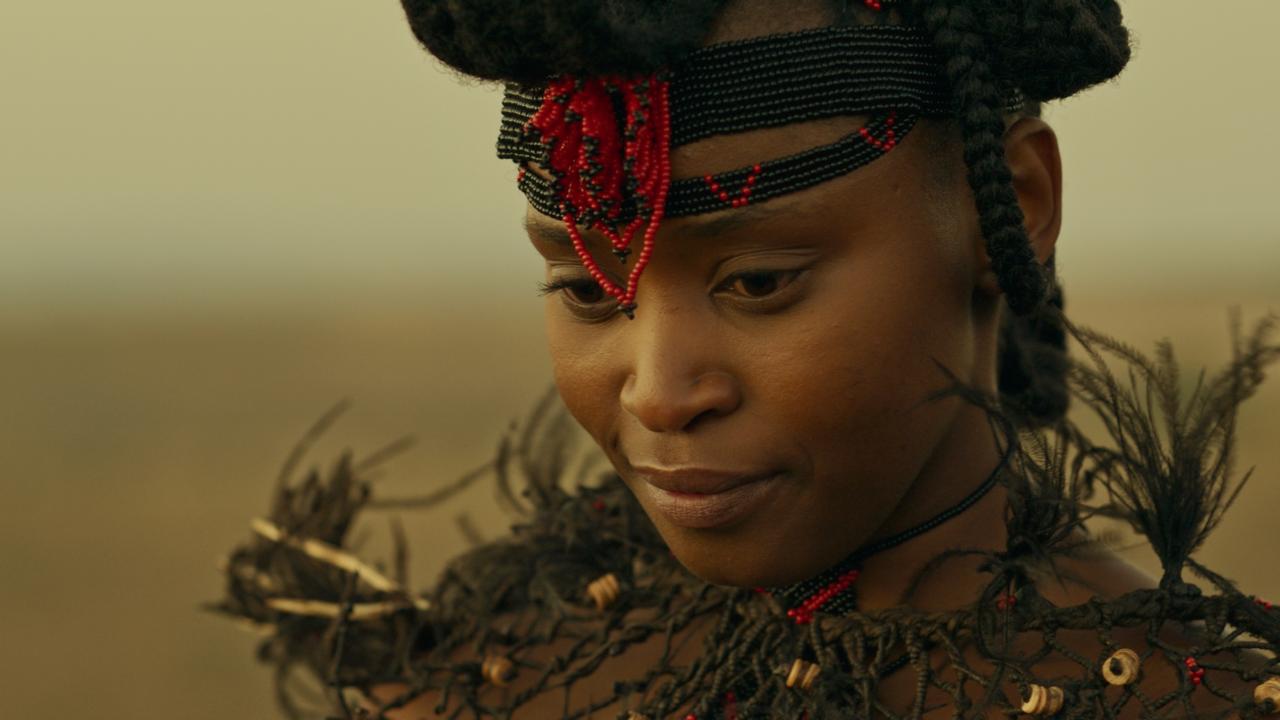
Watching the show sparked something far deeper than she expected. A quiet fire was lit—so strong that she began to pray about it, dream about it, and believe in it. It wasn’t just about getting a role—it felt like this story was destined for her.
After years of hard work, prayer and unwavering belief, the lead role of Ntombazana was finally bestowed upon her—one that changed everything.
Behind this powerful performer is a gentle woman who not only speaks eloquently, but also with deep grace. And she’s funny too.
Growing up, she was a vibrant child who was drawn to the arts even from a young age. Be it singing or dancing, creativity always seemed to call her name.
As an only child, the arts weren’t just a thrill—they became an escape. A way to slip out of her own reality and live, if only for a while, in someone else’s.

“My mom had me when she was really, really young during a time when she too was trying to find herself. She went through her own struggles that have a way of manifesting at home. So I ran to the arts so I could escape the loneliness and the situation at home,” she shares.
But life’s challenges didn’t pause—she faced multiple family losses, and even when her mother found work far away, she first had to live with relatives before eventually facing the silence of living alone. The loneliness was loud.
“Township life could have easily become my escape, a way to distract myself—but I’m grateful I never went down that road. My mother was strict and never spared the rod, so even in her absence, her voice echoed in my head. She really did the best she could,” she reflects.
Always drawn to creativity, she started her own a cappella group in high school—deeply inspired by the award-winning The Soil—and they were even called to perform at various events from time to time.
The arts became her anchor, carrying her through moments when life felt impossibly heavy for both her and her mom. And while her mother had battles of her own to face, she remained her daughter’s pillar through it all. For Amanda, making it this far is a tribute—a heartfelt ‘thank you’ to her mother in the grandest way possible.
“Apart from all that this role can do for me, I’ll forever be grateful for how proud my mother is. The other day she said, ‘waze wangenz’ umuntu ebantwini Amanda’” (loosely meaning her dignity has been restored). “My mom has also gone through her own fair share of trials that led to a drinking problem. All those struggles made people not take her seriously and think less of her. But now, people are able to greet and recognise her.”
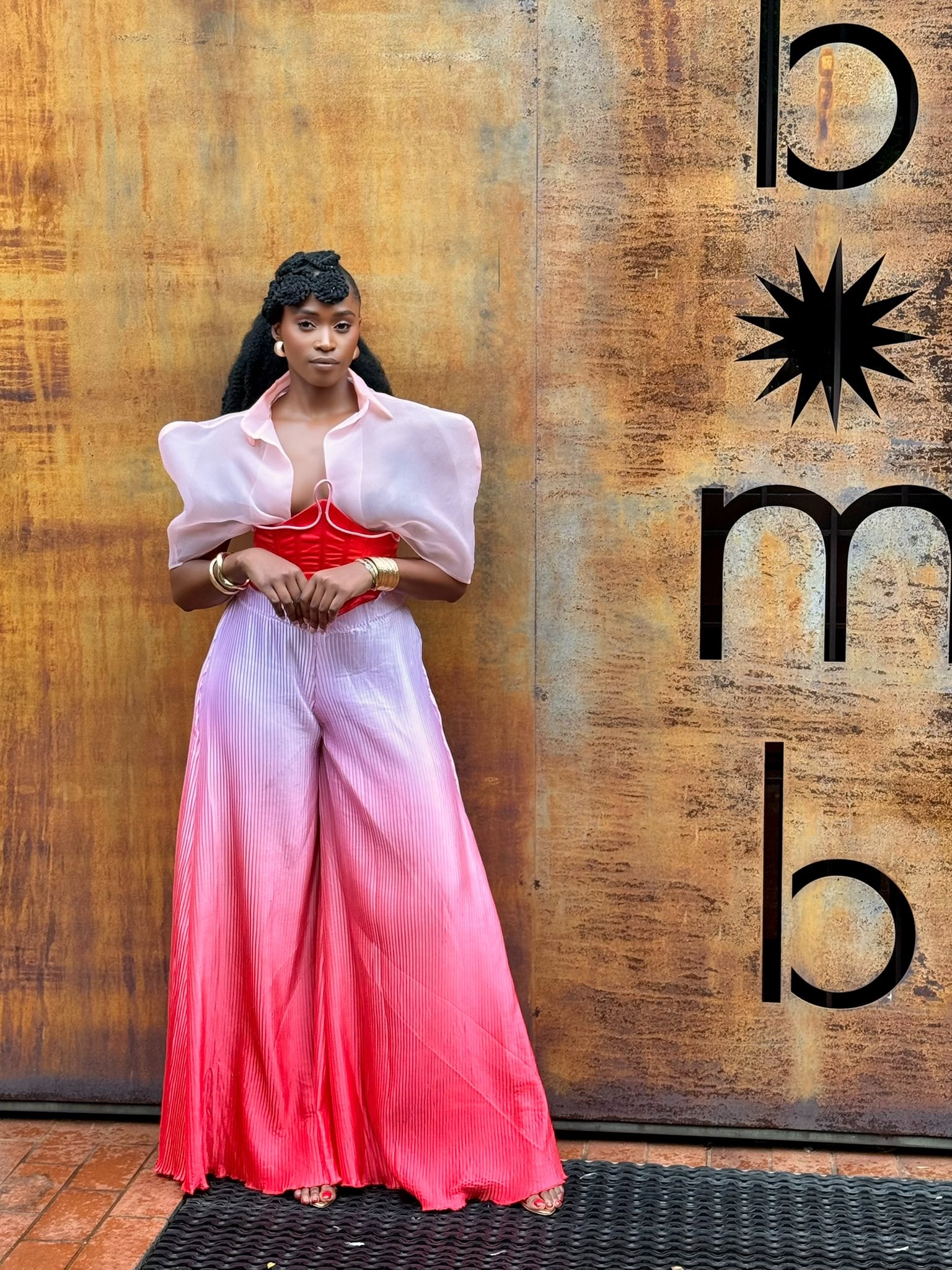
“This is more hers than mine,” she says. “I even told her to celebrate it as her achievement. When you look at how far we’ve come—I wouldn’t have made it if she hadn’t been there, holding my hand.”
“It’s our time now,” she said, tearing up. And yes, we both cried.
And this is only the beginning. Amanda is hoping to work behind the scenes in future and dreams of one day collaborating with some of South Africa’s most powerful actresses, including Thuso Mbedu, Zikhona Sodlaka and Masasa Mbangeni.
More than anything, Amanda is living proof that while life may happen to you, how you rise from it—that’s yours to choose.
“We all get to an age where we can differentiate between wrong and right. You know what you must do to better yourself. A parent raises you in a way they see fit, but all the decisions we make in life are for ourselves. Our futures—and I hope more and more people can make decisions for themselves,” she says.