

Chinese-founded fast fashion juggernaut SHEIN is set to debut its first-ever pop-up store on South African soil. How will its momentous expansion affect our crumbling textiles industry, and isn’t SHEIN an environmentally unethical brand?
It is indisputable that ultra-fast fashion conglomerate SHEIN has taken the online apparel sector by storm, becoming the largest online fashion retailer with a presence in almost every corner of the world. With its affordable clothing, swift delivery, and trendy designs appealing to the Gen Z gaze, SHEIN has positioned itself as the unbeatable giant of fast fashion worldwide.
Introducing itself to the South African retail market in grand fashion, the e-commerce brand is set to host its first-ever pop-up store at the Mall of Africa in Johannesburg – which happens to be the country’s busiest mall. The store will be open from 14h00 to 20h00 on Friday, 2 August, and from 09h00 to 21h00 from Saturday, 3 August, to Sunday, 11 August.
With thousands of customers in the country, it is not far-fetched to assume that SHEIN’s latest venture is a step towards establishing itself as a retail mainstay in the local market. Albeit glamorous on paper, SHEIN’s introduction to Mzansi causes numerous concerns.
Since its formidable inception, the online juggernaut has been embroiled in numerous scandals. The brand has constantly come under fire for floundering various business ethics, from excessive textile waste and monstrous carbon emissions to the lack of transparency regarding wages and unfair working conditions. Moreover, SHEIN has also been criticised for selling offensive items, from Islamic prayer rugs as decorative mats to necklaces in the shape of swastikas.
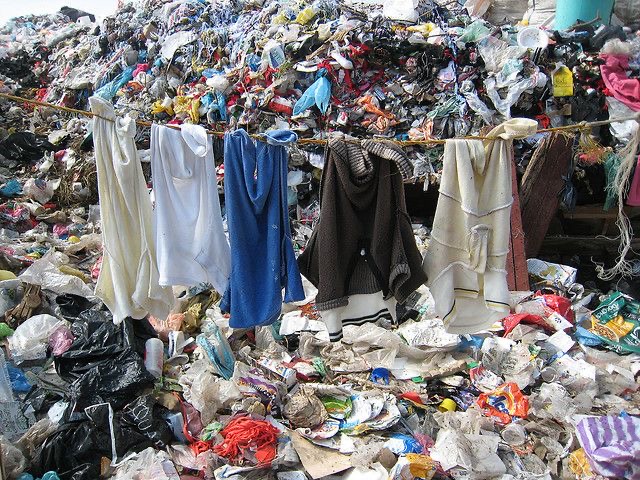
Aside from its inexcusable environmentally irresponsible practices, the brand has also been accused of stealing designs from smaller fashion labels and printing out low-quality copies for a fraction of the price. We unpack the dark side of SHEIN and why its introduction to the South African retail market would be an inauspicious mistake.
South Africa’s crumbling textiles industry
According to the Bureau for Economic Research’s latest Retail Survey for the second quarter of 2024, consumer confidence in semi-durable goods retailers including textiles, clothing, footwear, and leather goods, declined massively from 68% in the prior quarter to 38%. Expectedly, online competitors such as TEMU and SHEIN were listed as being part of the problem. The fast fashion brands have caused chaos in the South African retail space, with local retailers struggling to compete with their lower prices.
SHEIN’s treacherous environmental impact record
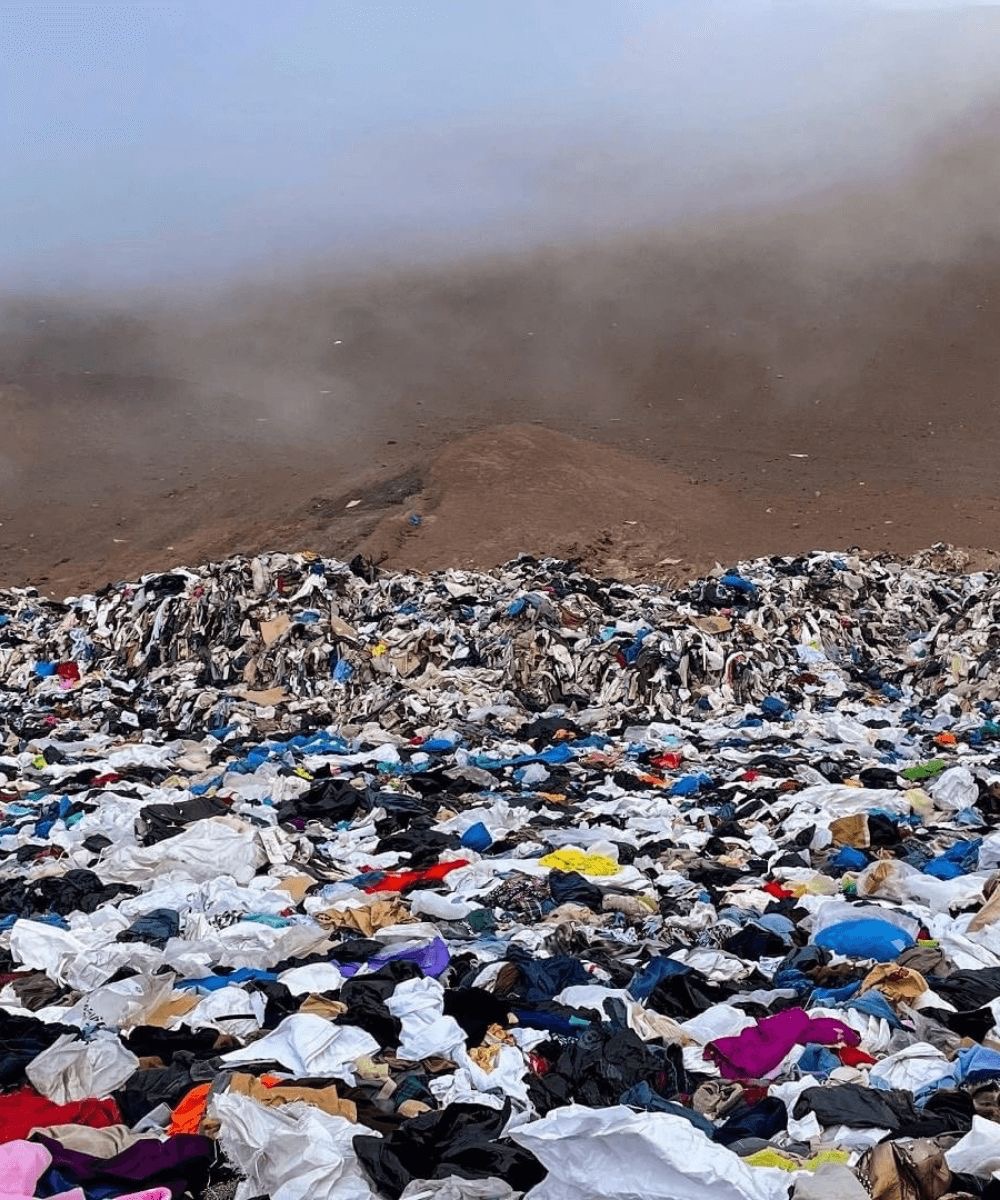
From hazardous chemicals to carbon emissions and microplastics, SHEIN is making zero effort that we can see. It follows an unsustainable fast fashion model with quickly changing trends and regular new styles. On top of that, brands mass-producing such cheap, poorly-made clothing perpetuate a throwaway fashion culture simply by existing.
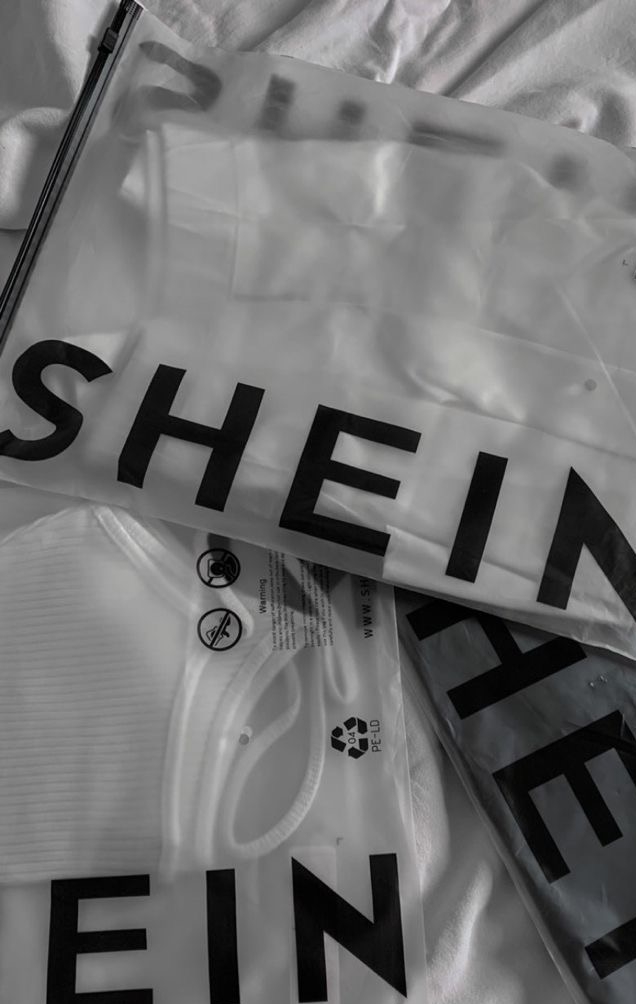
Aside from using a couple of lower-impact materials here and there, there is no evidence the brand is taking any meaningful action to reduce its substantial impact on the environment. With that being said, it wouldn’t make any sense for South Africa, a country that is vocal about climate change AND has gone as far as signing the Paris Treaty to entertain the mere idea of SHIEN.
Unjust labour conditions – another weak point for SHEIN
It should come as no surprise that SHEIN makes as much effort for people as it does for the planet – next to none. Aside from auditing some percentage of its supply chain, it is making no headway on improving its labour conditions. The brand also received the lowest score of 0-10% in the 2022 Fashion Transparency Index.
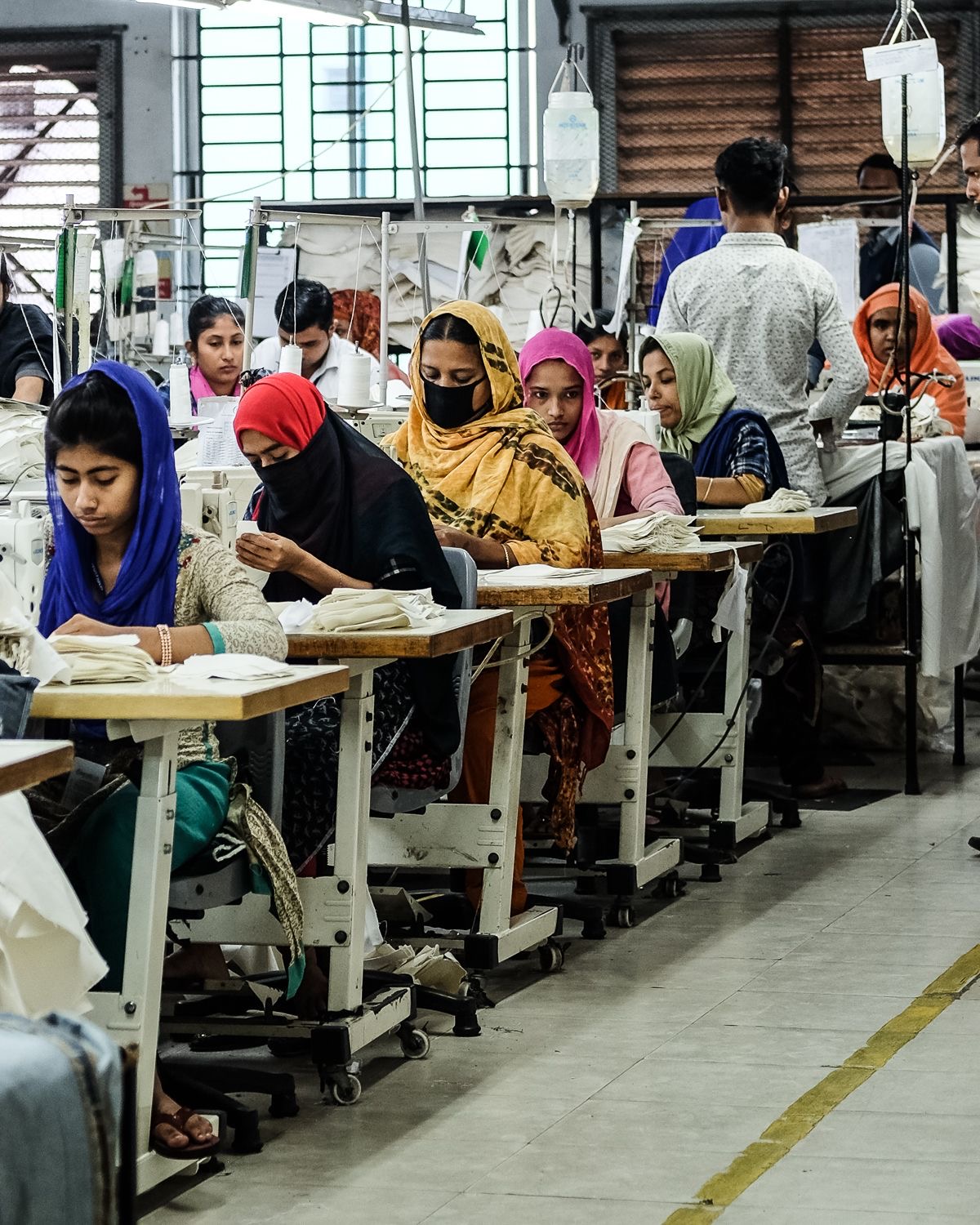
With a constitution that is constantly finding new ways to improve labour relations, South Africa has no business being associated with a brand that has contrasting standards. Workers should have the right to a living wage, collective bargaining, and an abuse-free work environment – something that SHEIN clearly knows nothing about.
Animal welfare
Notably, SHEIN does not appear to use leather, fur, or exotic animal skin in its products, which is great. However, the brand basically discards all that good work by using wool, down, exotic animal hair, decorative feathers, and silk without stating sources, and doesn’t trace any animal products even to the first stage of production.
While it has a formal policy aligned with the Five Freedoms of Animal Welfare, there are no clear implementation mechanisms in place.
Alleged tax violations – a big red flag
Many retailers have attributed SHEIN’s notably lower prices to alleged tax law violations, a claim that is currently before the South African High Court. The brand is being accused of abusing the de minimis rule to get clothing parcels of under R500 through customs with a 20% import duty and 0% VAT. Local retailers also claim that TEMU and SHEIN break up larger orders into smaller quantities and packages to ensure they are under R500.
After benefitting from the lower 20% tax, they then must combine the orders before shipping them to clients. SHEIN has refuted these claims, by saying it keeps prices affordable through its technology-based on-demand business model and flexible supply chain, not by dodging local taxes.
Even at surface level, it is impossible to perceive SHEIN’s latest venture as something beneficial for South Africa’s fashion industry or our economy at large.