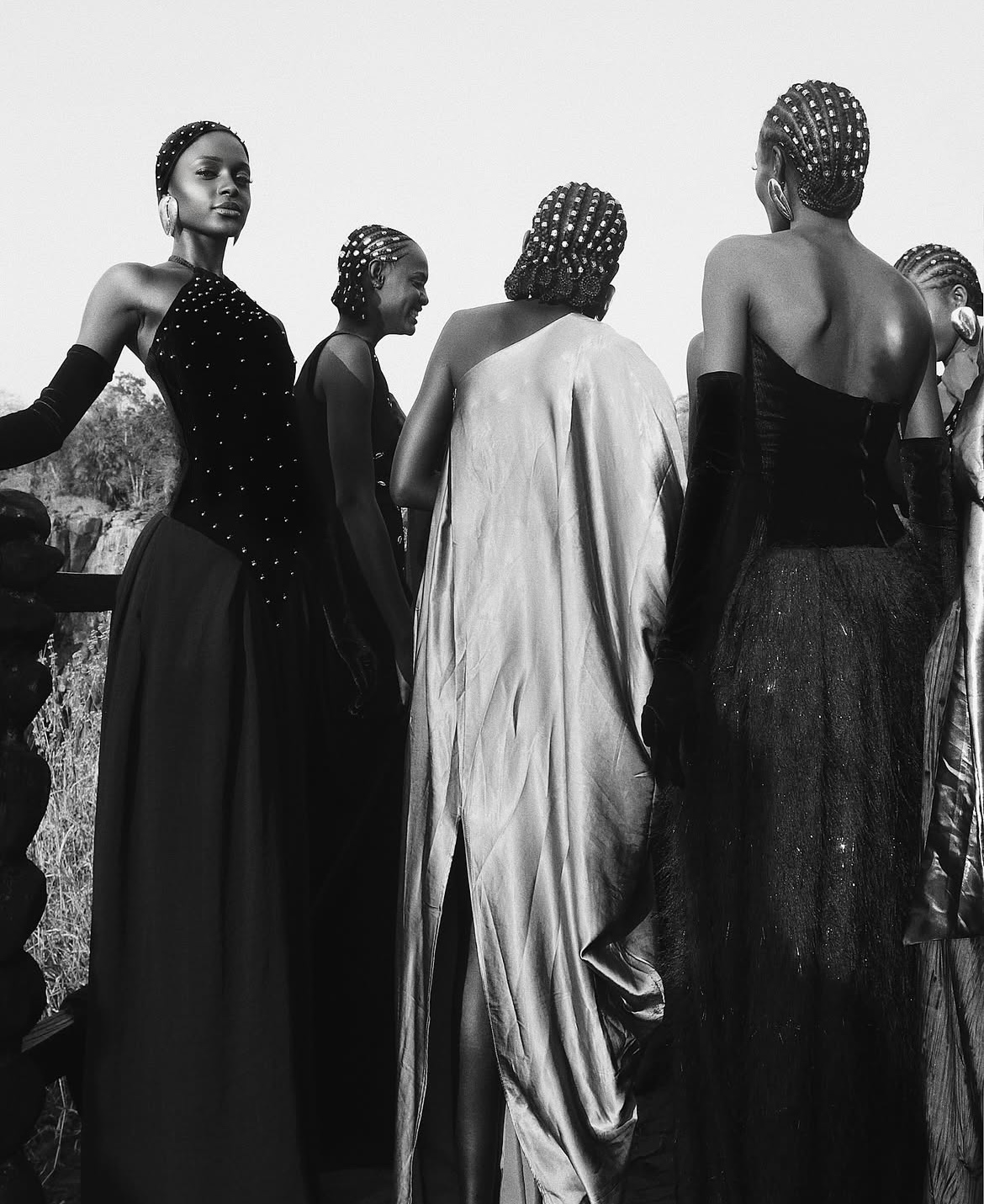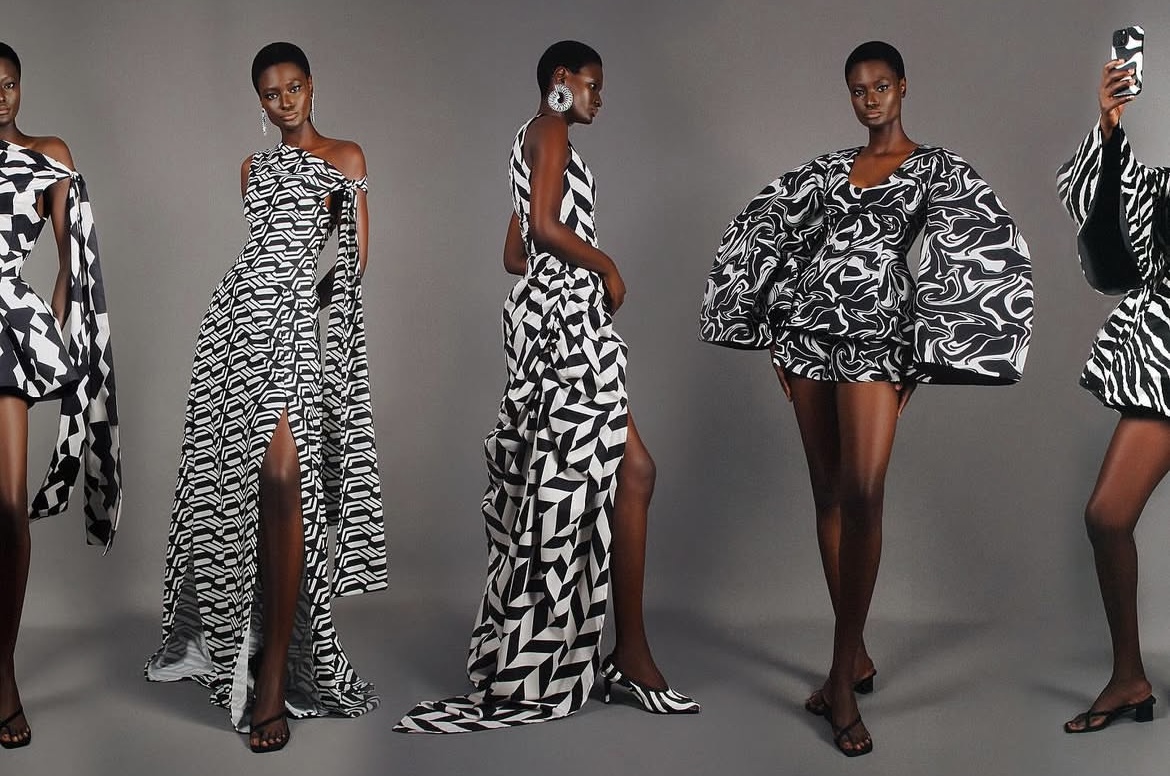
Founded in 2016 by Senegalese designer Sarah Diouf, Tongoro has emerged as one of the most compelling voices in contemporary African fashion. Designed and produced in Dakar, the brand exists at the intersection of heritage and modernity, where tradition is not preserved behind glass, but worn, lived in and reimagined. Tongoro speaks to a global audience while remaining deeply anchored in African authorship, craftsmanship and pride.
Founded in 2016 by Senegalese designer Sarah Diouf, Tongoro has emerged as one of the most compelling voices in contemporary African fashion. Designed and produced in Dakar, the brand exists at the intersection of heritage and modernity, where tradition is not preserved behind glass, but worn, lived in and reimagined. Tongoro speaks to a global audience while remaining deeply anchored in African authorship, craftsmanship and pride.
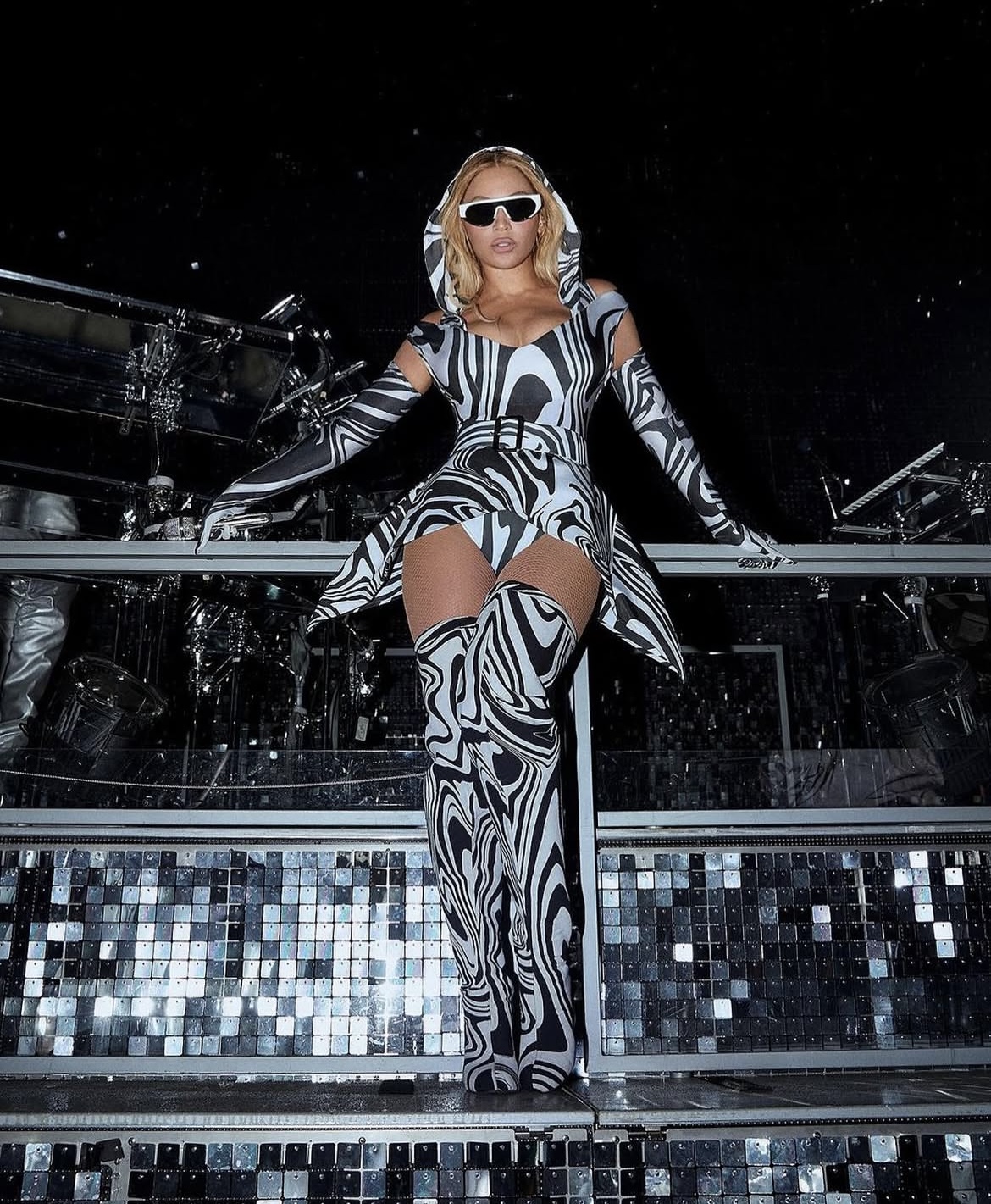
Known for its fluid silhouettes, sculptural volumes and understated confidence, Tongoro offers a vision of luxury that feels intentional rather than excessive. Its designs have travelled far beyond Dakar, worn by global cultural figures including Beyoncé, who has donned Tongoro pieces both on tour and in visual projects, bringing African craftsmanship onto some of the world’s biggest stages. Yet at its core, the brand remains rooted in a philosophy that values meaning over spectacle, where identity is expressed with ease, grace and quiet power.
Heritage as a Design Language
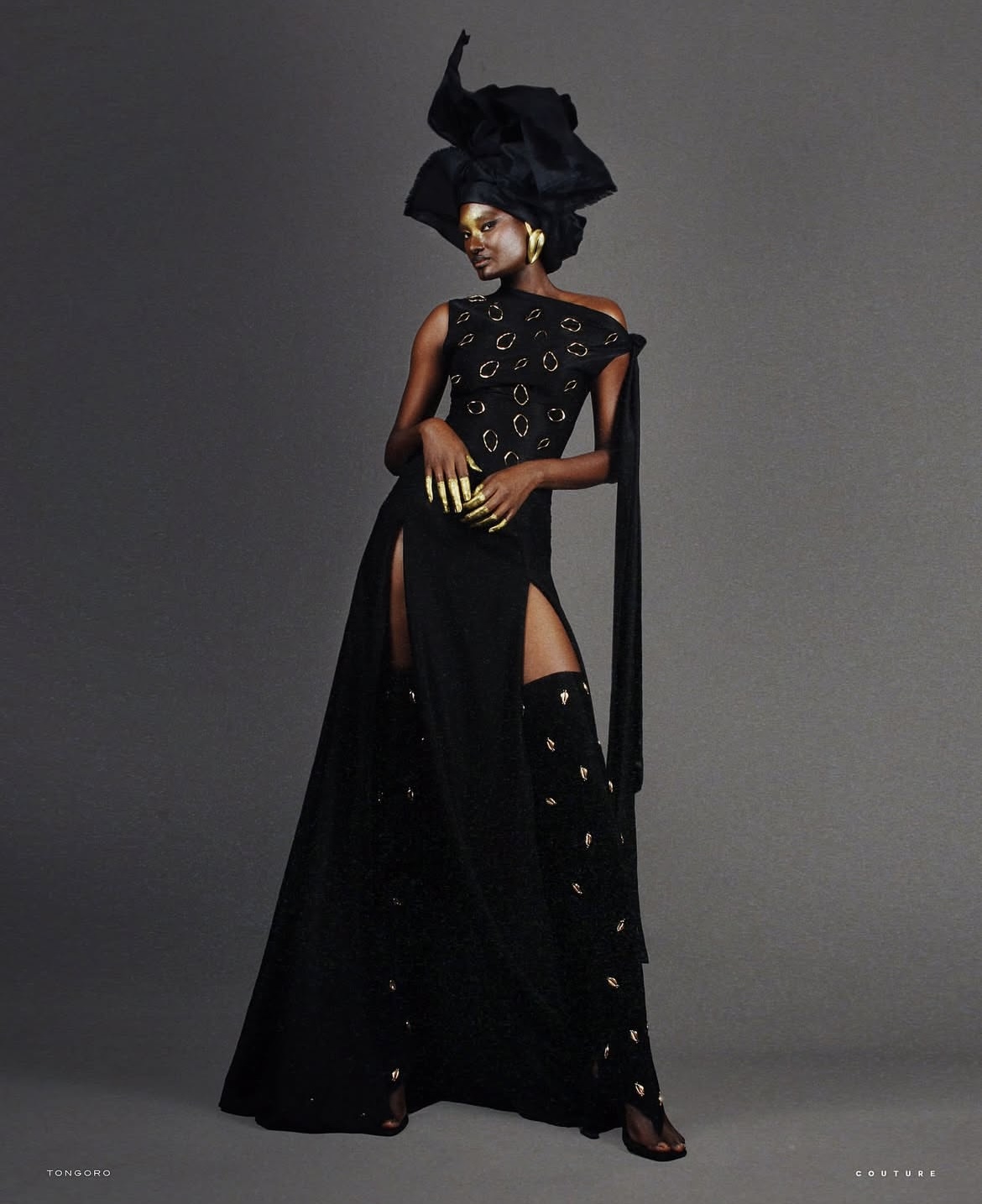
At its core, Tongoro treats heritage not as reference, but as foundation. Each collection draws from the visual language of post-independence African photography, the poise of West African women, and the everyday elegance found in movement and ritual. These influences surface through flowing dresses, oversized forms and thoughtful construction that prioritises comfort without sacrificing presence.
Fabric becomes a storytelling tool. Cotton, silk and textured materials move freely with the body, creating garments that feel expansive rather than restrictive. There is a softness to Tongoro’s approach, yet also a clarity, an understanding that modern African fashion does not need to be loud to be commanding.
Every piece reflects a deliberate balance between past and future, tradition and progress. In this world, clothing becomes a vessel for memory, confidence and self-expression.
Production as a Political Choice
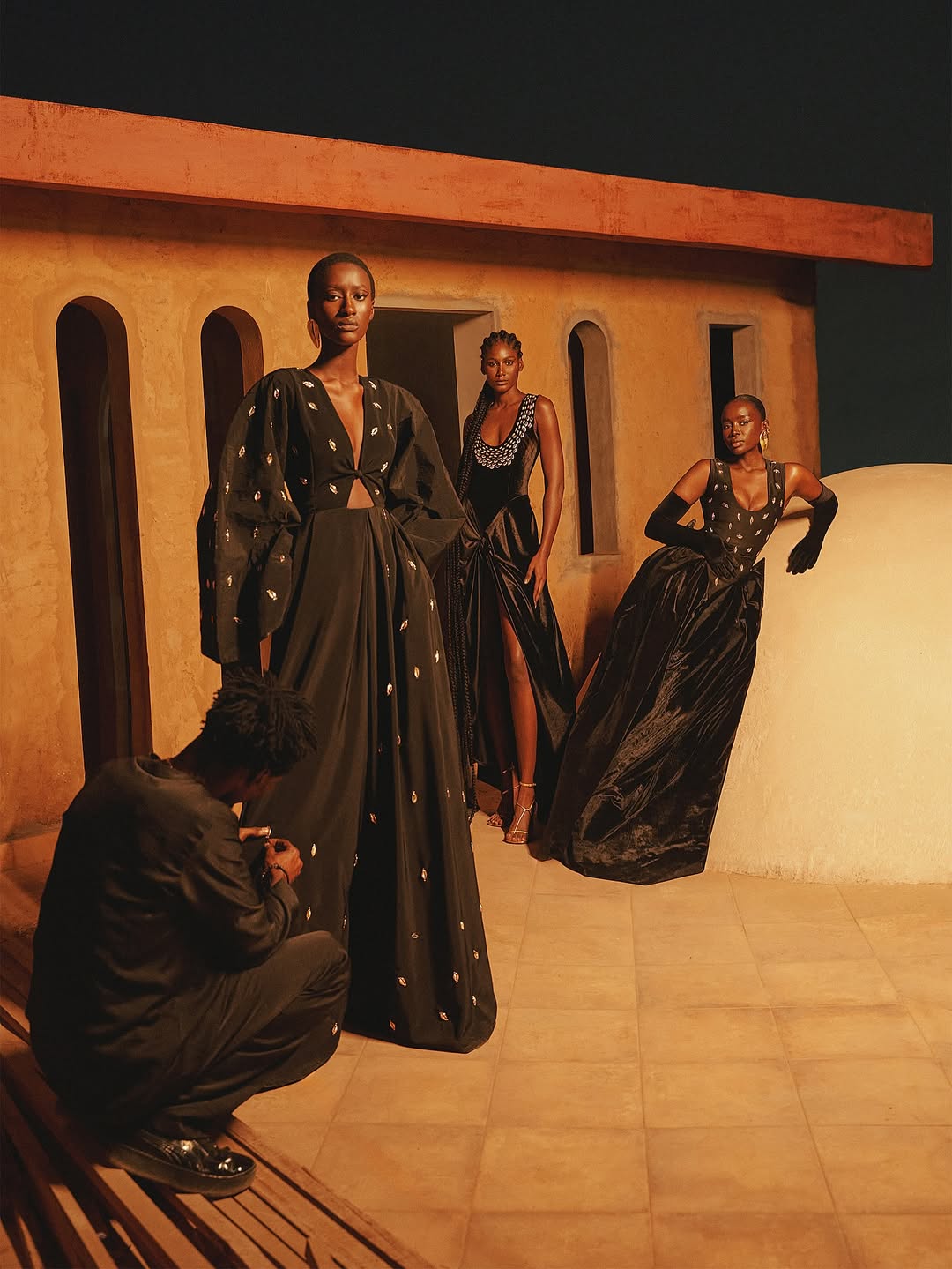
Tongoro’s commitment to being entirely made in Africa is not incidental. It is central to the brand’s identity. All garments are produced in Senegal in collaboration with local tailors and artisans, ensuring that skills are valued, sustained and passed on. This model positions fashion as a tool for economic empowerment and cultural preservation, rather than extraction.
By keeping production local, Tongoro challenges long-standing global fashion hierarchies, proving that African luxury can exist on its own terms. The result is clothing imbued with integrity, where process matters just as much as the final form.
Global Recognition, African Roots
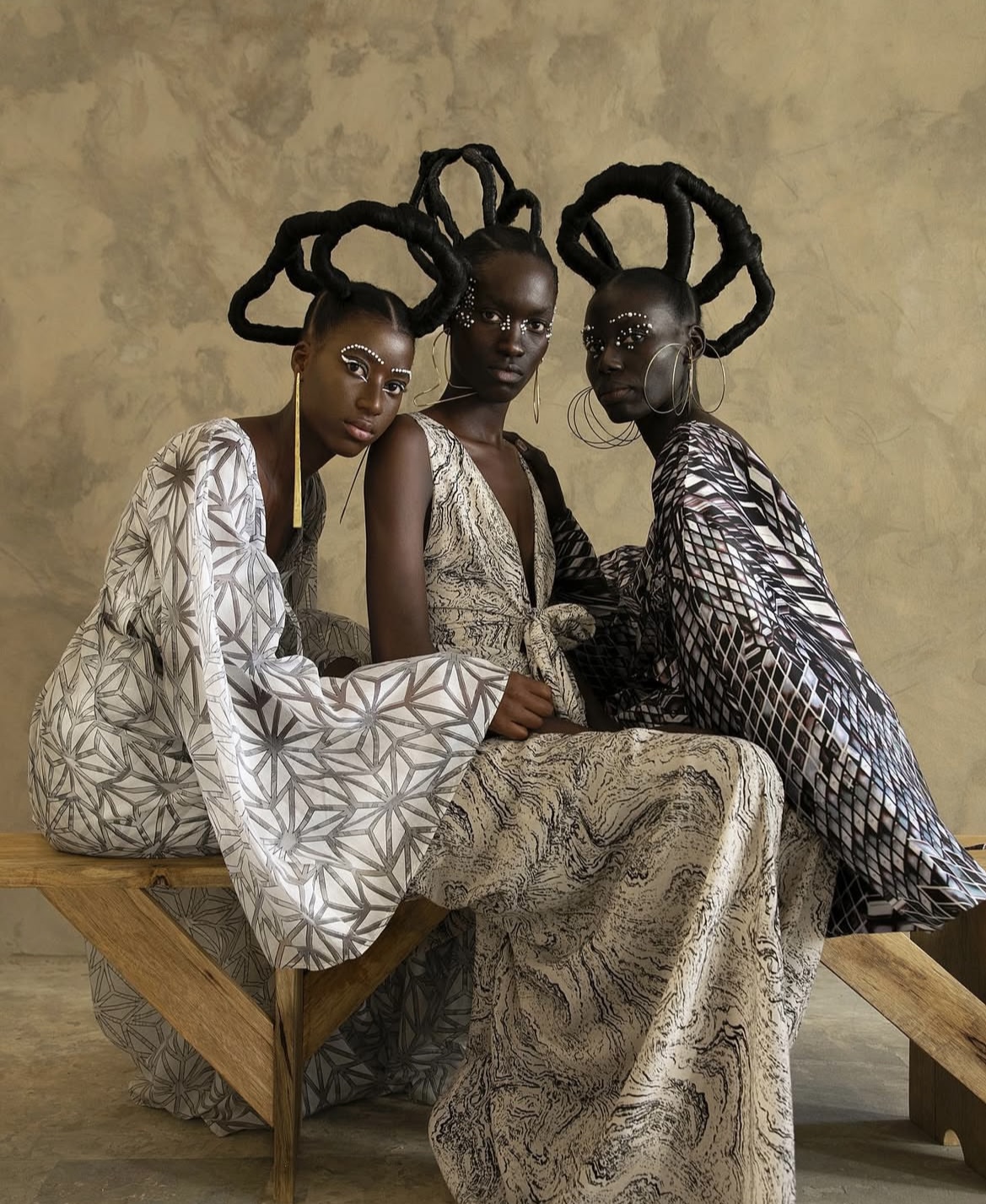
Tongoro’s rise has been marked by a growing presence on the global stage, worn by cultural figures such as Beyoncé, Naomi Campbell, Alicia Keys and Iman. Its inclusion in Beyoncé’s Black Is King visual project marked a pivotal moment, introducing Tongoro to wider audiences while reinforcing the power of African-led storytelling.
Yet despite international visibility, the brand has remained grounded. Tongoro does not dilute its identity to appeal outwardly. Instead, it invites the world inward, asking audiences to meet African fashion where it stands.
Sustainability & Slow Fashion
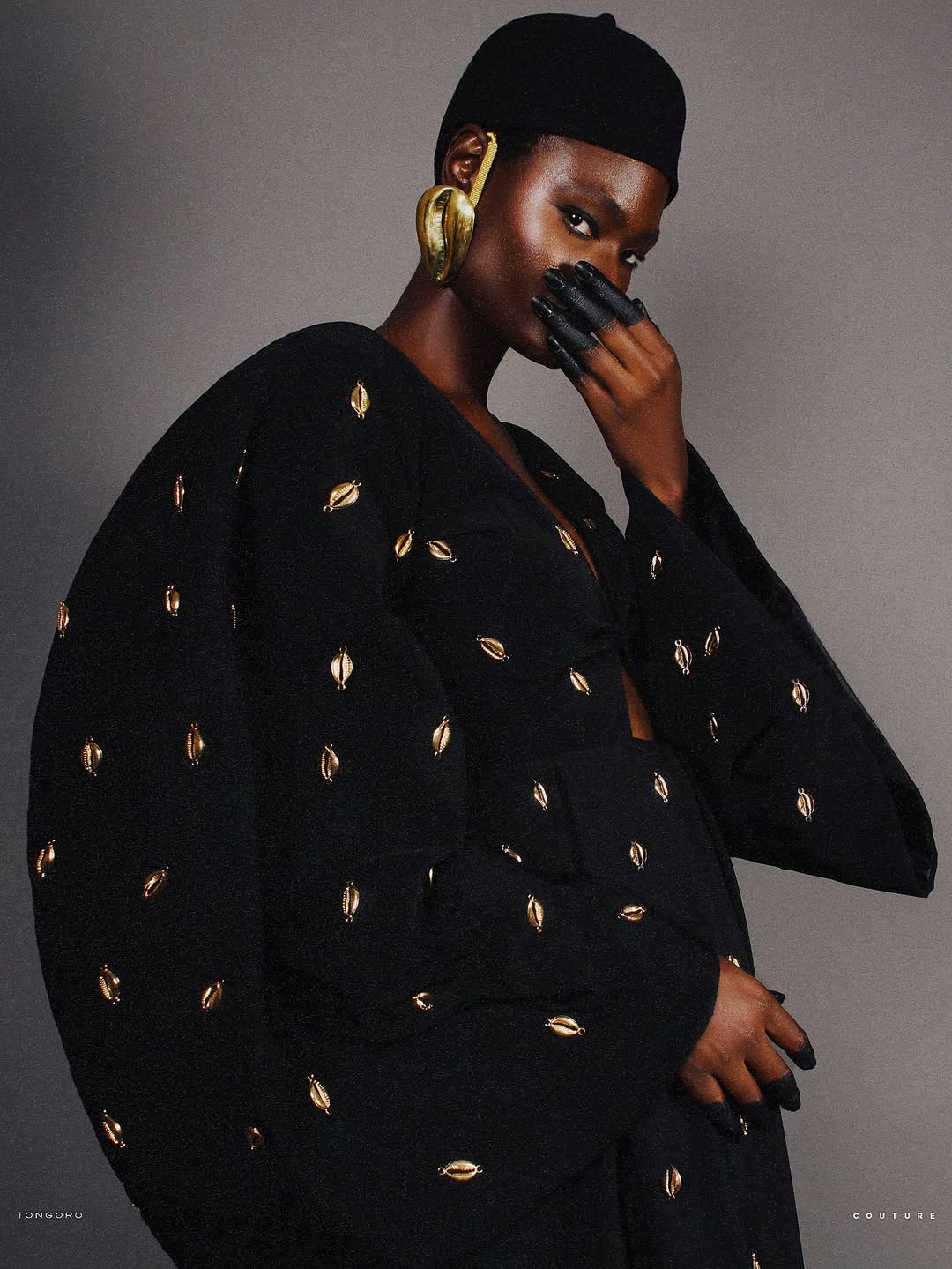
In an industry driven by speed and excess, Tongoro embraces a more measured approach. Collections are produced in limited quantities, prioritising quality, longevity and care. This slower pace allows each garment to exist beyond trends, encouraging thoughtful consumption and lasting connection.
Sustainability, here, is not framed as innovation for innovation’s sake, but as responsibility. It is woven into the brand’s commitment to people, process and place.
Why Tongoro Matters
-
Culturally authored: African stories told by African hands, without compromise.
-
Ethically grounded: Local production that centres artisans and community.
-
Globally resonant: A design language that speaks across borders while remaining rooted.
-
Future-facing: Redefining luxury through intention, restraint and meaning.
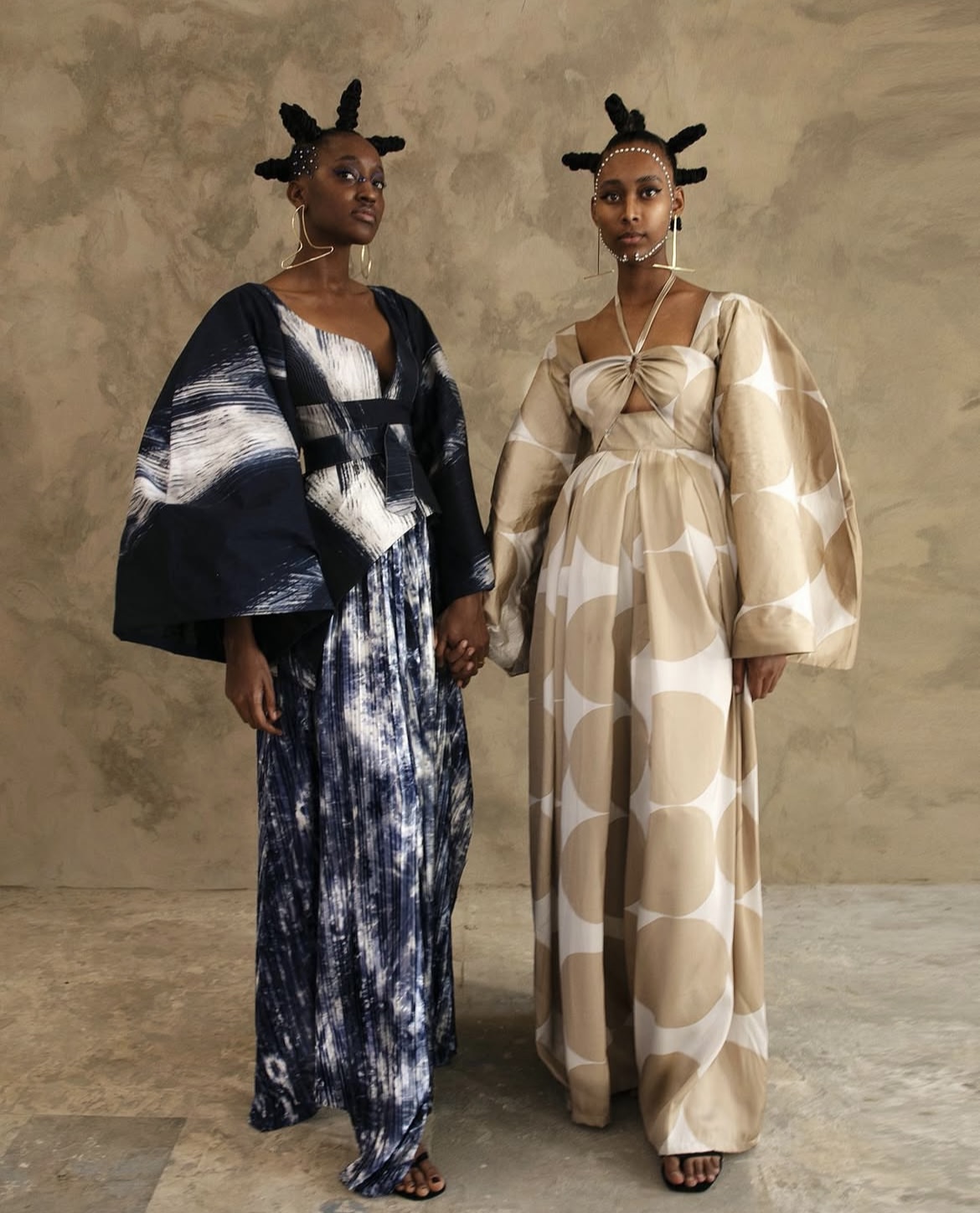
Tongoro is not simply designing garments. It is shaping a narrative where African fashion leads with confidence, care and clarity. One where heritage is not something to outgrow, but something to build upon.
In a world still learning to recognise the value of African creative leadership, Tongoro stands assured — crafting clothing that feels timeless, considered and undeniably powerful.