
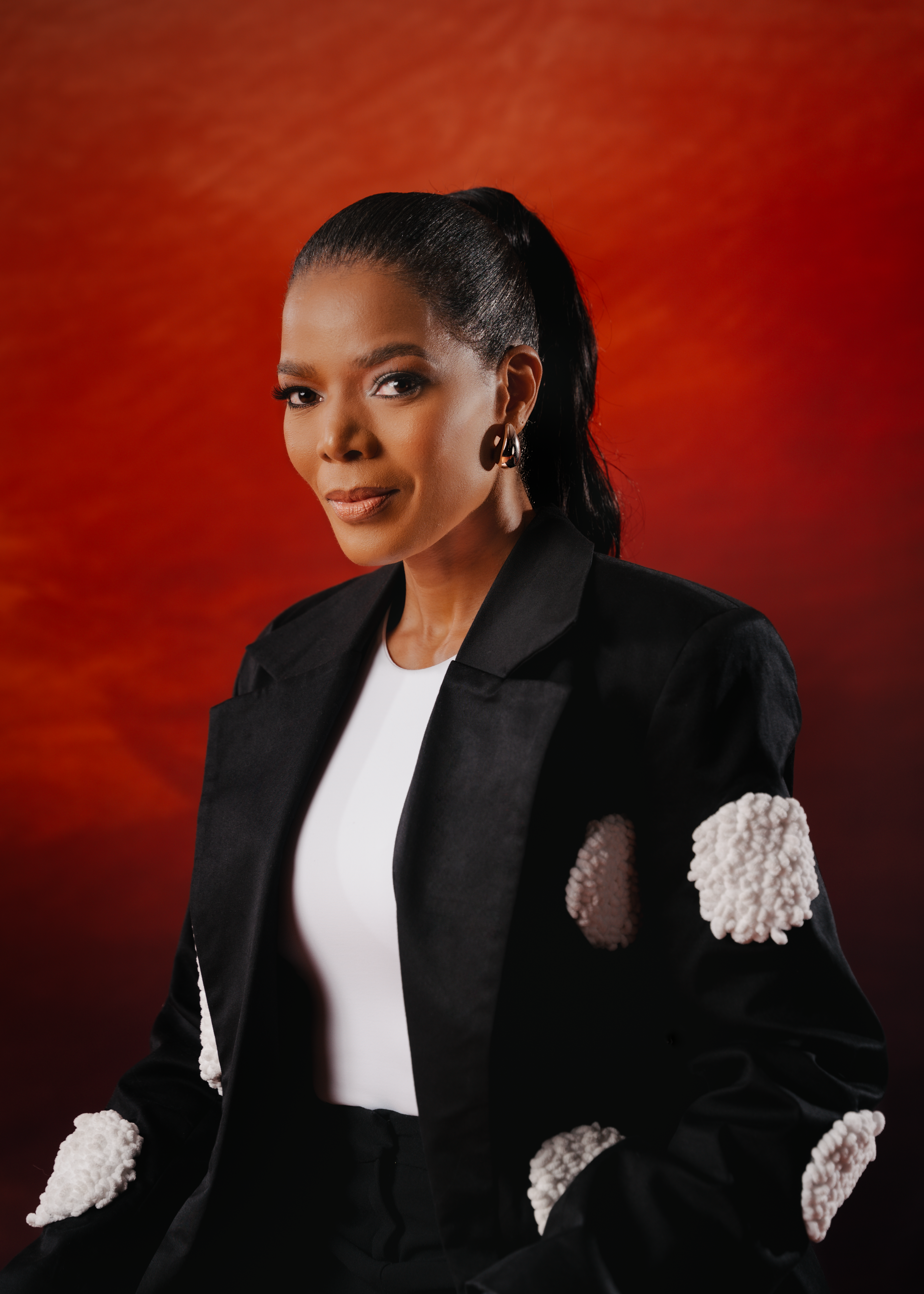
With thirty-four years of industry experience, veteran actress Connie Ferguson has forged an illustrious career, establishing herself as a formidable brand with a diverse portfolio of productions.
Among her recent endeavors is her portrayal of Molebogeng Kwena in a new Netflix series. Molebogeng is depicted as a dubious double agent within the intelligence agency, fiercely determined to protect herself from exposure by any means necessary.
Heart of the Hunter premiers on 29th of March.
Connie, now 53, reflects on her journey in her second feature film, offering insights into her life and the motion picture industry.
This is her story.
Taking on a character unlike her
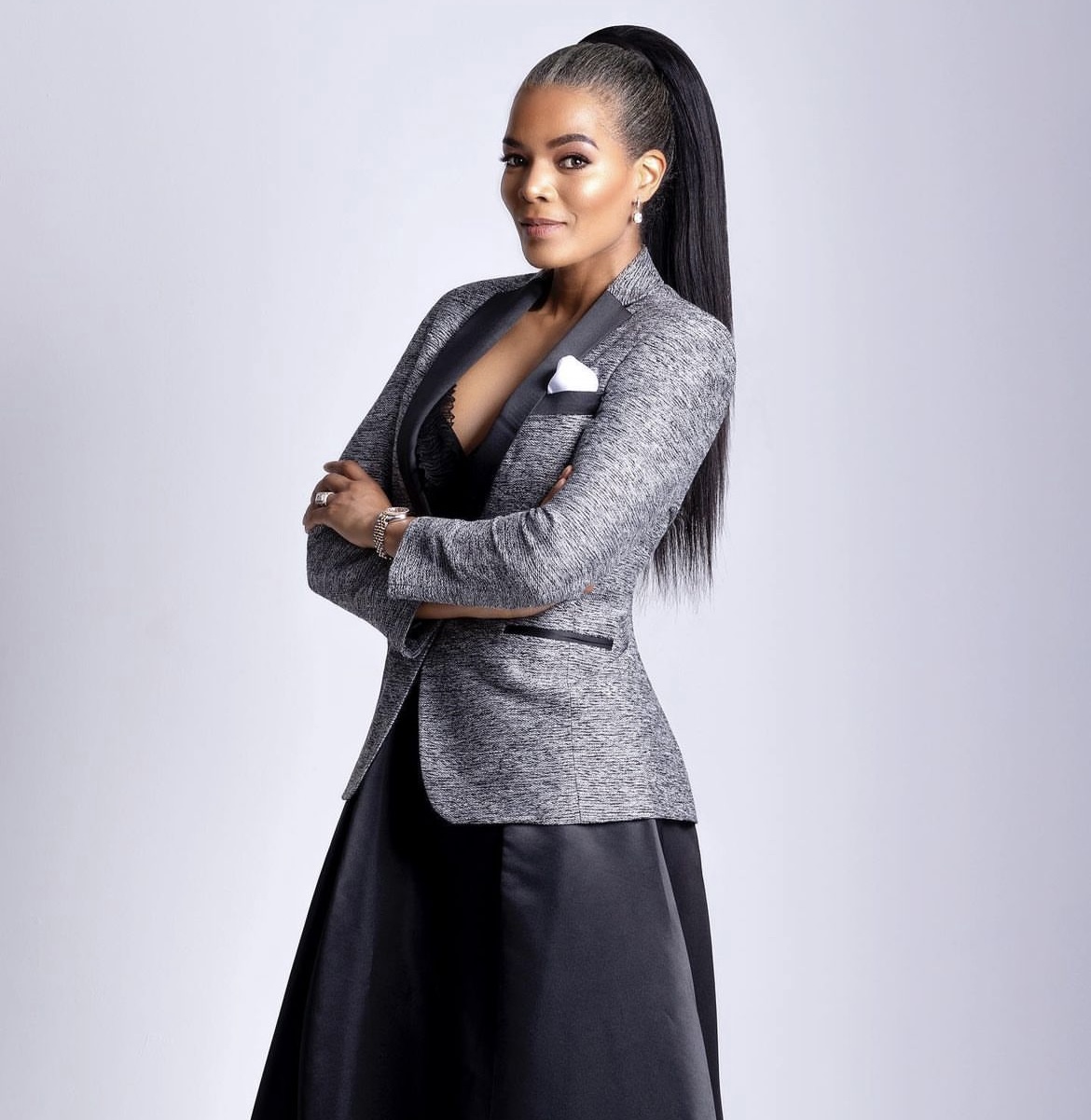
Contrary to the composed persona often associated with Connie, she joins our Zoom call appearing relaxed, her hair pulled back in a ponytail. Despite her casual demeanor, her presence exudes warmth and charm. This version of Connie stands in stark contrast to the ruthless character she portrays—a lapdog to the incoming president.
“Molebogeng is nothing like any character I have ever portrayed. Although in my career thus far, I have had the opportunity to portray very strong female roles, and by strong, I don’t mean powerful in terms of status or money, like in Ausi Mavis’ case (the Rockville character). She had nothing in terms of societal standing or money, but she was a strong woman and mother.
“This role came with the challenge of saying, ‘Okay, here is another strong woman, but her character traits were different from all the characters that you’ve played’. Molebogeng is ruthless and far removed from who I am. And that alone challenged my own beliefs as a person and attracted me to see how I would bring this person to life,” citing director Mandla Dube as an integral part in her ability to bring the character to life thanks to his own intensive groundwork.
As a seasoned television actress, Heart of the Hunter marks Connie’s second foray into film, offering a departure from her usual small-screen productions. The experience proved refreshing, exposing her to new talents and a different pace of filmmaking.
“This experience was different for me for various reasons. I got to work with a lot of new faces, which is something I hadn’t experienced in a long time. And as a Johannesburg-based actress and creative, stepping into Cape Town’s film territory brought about a sense of feeling new in the game, got me out of my comfort zone, and got me working with a director I always admired, Mandla. The pace was go-go-go. We weren’t playing. It was refreshing to work with such young talent that brought their A-game, not forgetting Bonko Khoza, who, outside of his admirable work and talents, is an amazing human being,” she said.
“Heart of the Hunter exposed me to the art of shooting a movie as opposed to what I am used to, series’. It is the little things that make you appreciate the different formats. With movies paying careful attention to detail, the shooting pace is a lot slower, which was a shock to the system for me, but overall, I walked out of there really appreciative of the different genres that this industry has.”
Connie adds that her appetite for the film world has been further evoked, and she is waiting on the next project that is right for her.
“Heart of the Hunter really showcases South African talent on a Hollywood level, and I think this is just proof of the growth we have experienced. Our storytelling, authentic and true to who we are, is impeccable; our techniques have really blossomed, and we are really on par with the global markets while also remaining true to us,” she added.
Ferguson Films, where passion meets faith
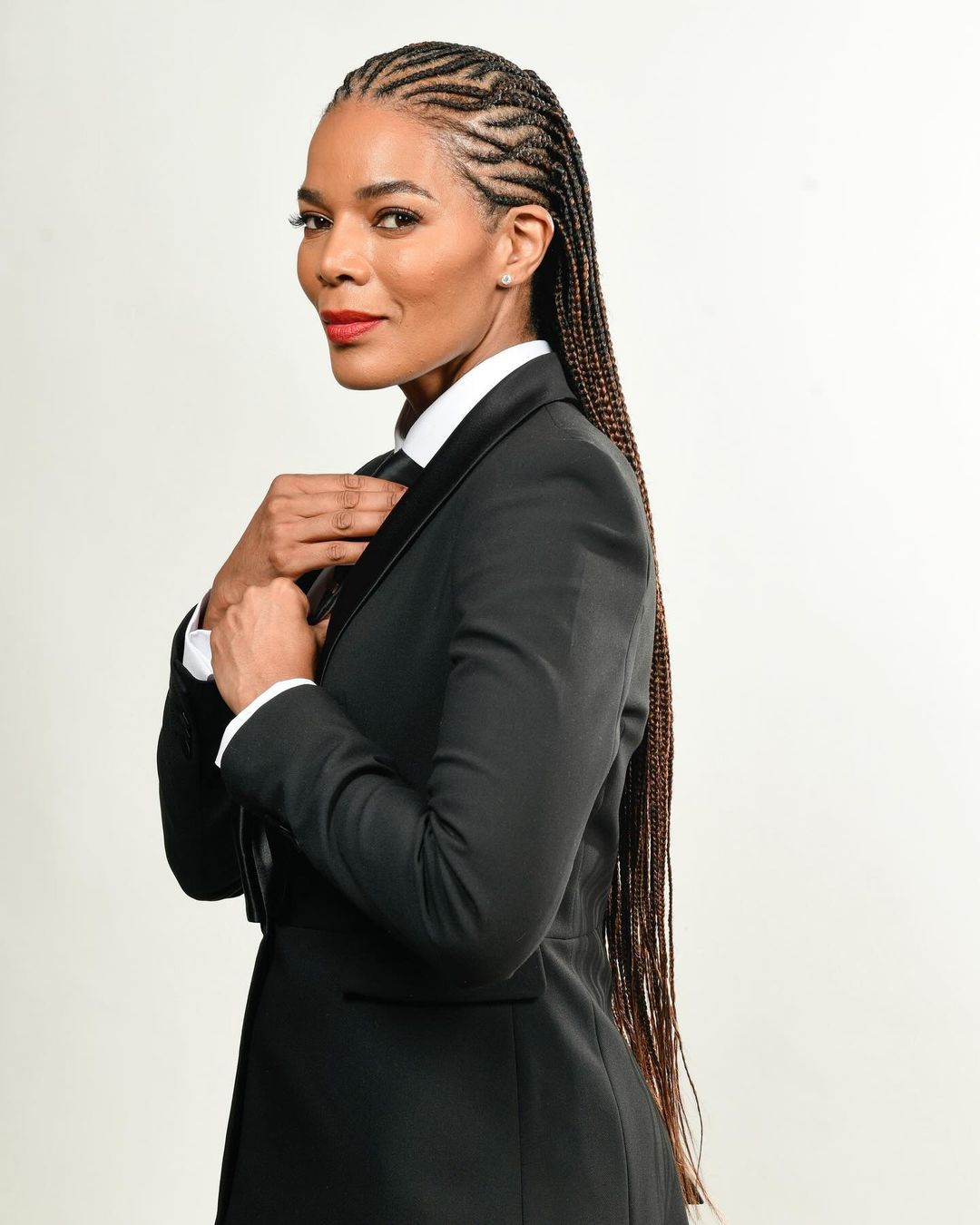
Connie’s journey in the film industry parallels her character’s ascent in a male-dominated world. Alongside her late husband, Shona Ferguson, she co-founded Ferguson Films in 2010, producing acclaimed shows such as The Queen and Kings of Joburg.
The first time she craved being on the opposite side of the camera was when she realized the amount of weight her name carried. That led her to a deeper desire to want to step into the big girl shoes of production.
“The business moved from just having the desire to produce television to being a calling. When we registered Ferguson films, Multichoice was launching a channel called Mzansi Magic, which came with the opportunity to launch Rockville as one of the very first projects we pitched to Mzansi Magic. The stars were so aligned because we started with a small channel and grew with it,” she said.
Together, the couple mapped out a sustainable approach to tackling the industry—adding to the value chain by establishing little businesses that can sustain them outside of the production work.
She admits the journey hasn’t been easy.
“This is where passion drives you. Where passion meets faith, there would have been so many times where we could have just given up because the stress was just not worth it. Especially once it starts messing with your mental health and you can’t sleep. Between Sho and me, more than anything, the ‘bigger picture’ started morphing into being less about us and more about serving the industry.
“We were stressed; I cannot tell you the number of conversations we had in the middle of the night, but it always came back to ‘if we give this up, what happens to all the people who depend on this to feed their families?’,” adding also that with the bullets that they have taken, staying the course has definitely felt like a calling.
Asserting presence in a male-dominated environment

As a female leader in a male-centric field, Connie embraces her unique leadership style, emphasizing empathy and nurturing qualities. She believes women can effect positive change by staying true to themselves in leadership roles.
And as a woman, she had a point to prove to herself.
“When a woman steps into a role of leadership, you almost feel like you need to stop wearing dresses and must be in a power suit to exert your authority. If you need to change the way you walk or talk, remove the softness from within and be hard-core. But I think in that way, women are missing the point of how we can change the status quo. A woman’s leadership style is innately more nurturing and empathetic, which is an extremely positive impact that is needed in these hard industries we find ourselves in.”
Connie adds that the misconception that soft means weak has backed women up against the wall, whereas there are plenty of places within the boardroom for women to be women and to carry out leadership with softness and empathy.
“Looking back on my journey, I absolutely regret nothing. I believe every step that I have taken and every move that I have made—fails and wins—has brought lessons with it. I think the trajectory of my career has been on the up, and then maybe leveled out, and then up again. I think 2021 went down a bit, but that was when I too needed time to just heal and for myself.”
Balancing life, motherhood, and the dream
Finding balance for things that mattered, like family, was a choice that came after years of being immersed in their work. Connie recalls a day when her children outright expressed how she and Shona were never present, both physically and emotionally.
“They said that our absence and our out-of-touch responses to their needs made them feel unheard. It was at that very moment that we shut down our laptops and were confronted with our mistakes. I have girl children, and I want them to always come to me with absolutely anything and everything first. That means making them my priority.
“Yes, I love my work, but it isn’t going anywhere, and it’ll be here even tomorrow, but family has taken first priority for me. A schedule has been put in place to accommodate the kids, with weekends reserved for them non-negotiable,” she said.
Her health is also at the forefront of her focus now.
“With the many highs and lows that I have experienced in life that can take a toll on one’s mental health, I have developed some wisdom about when to say no to things I might even need but not be emotionally or physically strong to handle. I can say no without feeling guilty, and it is working for me.
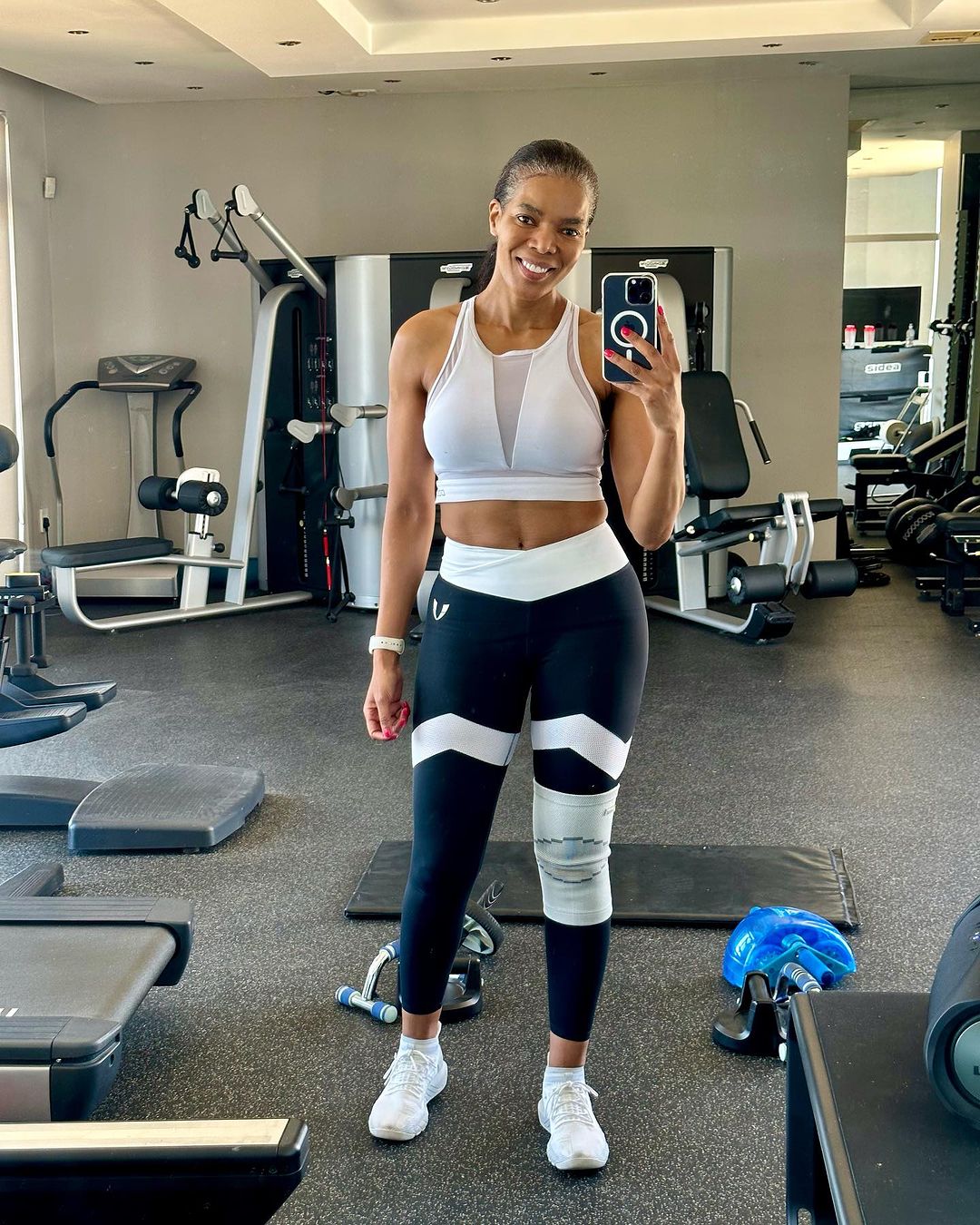
“I exercise now, taking care of myself, and I have put myself on the list of things that are a priority for me. That, I have found, is the only way to find that balance. Prioritize yourself first, and then everything else around you will fall into place,” she said.
34 years and counting—the dream keeps getting bigger
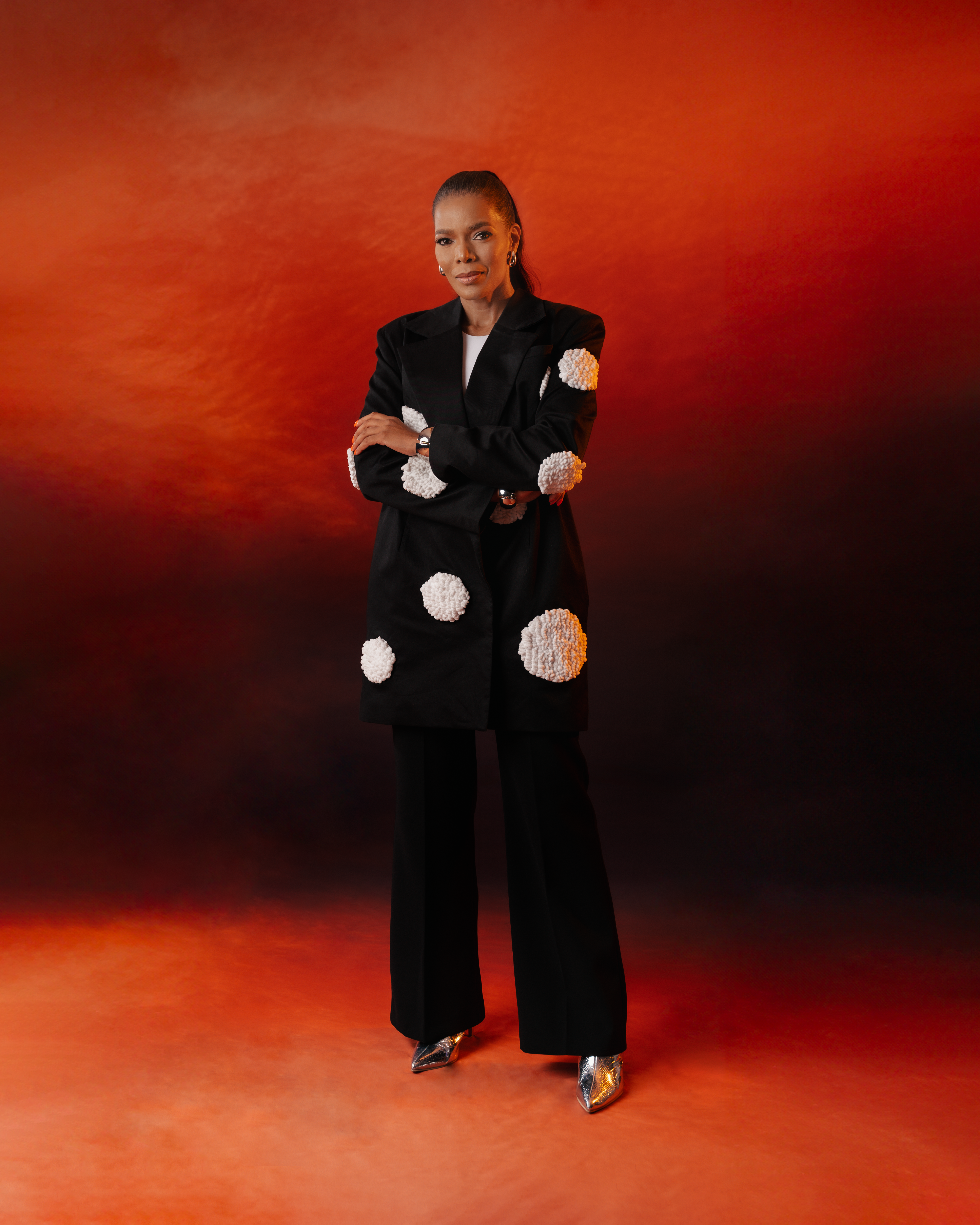
Looking ahead, Connie remains focused on her ultimate goal: owning studios. “Creating work is my purpose,” she asserts. “I want to make tangible differences, tell compelling stories, and empower others in the process.”
“The girl (her) still has to work, but I am taking it one step at a time. I still need to make those connections with people who are willing to work with me on this project via funding, because it does require a lot of money. But that is the dream—the big studio. My mission in life, and what gives me a great job, is being able to create work.”
Reflecting back, Mzansi Magic’s The Queen was able to employ a crew and cast for seven years, and that made Connie feel like she was living out her purpose.
“And when I can’t create work, I feel like I am failing God. I feel like He gave me the ability to do so, but unfortunately, with what we do, we are in a people’s industry where you need other people. And the misconception that no one needs anyone just because they occupy certain spaces isn’t true. We all need help, and I need help to be able to help somebody else.”
With her unwavering dedication and indomitable spirit, Connie Ferguson continues to inspire both on and off the screen, leaving an indelible mark on the South African film industry.