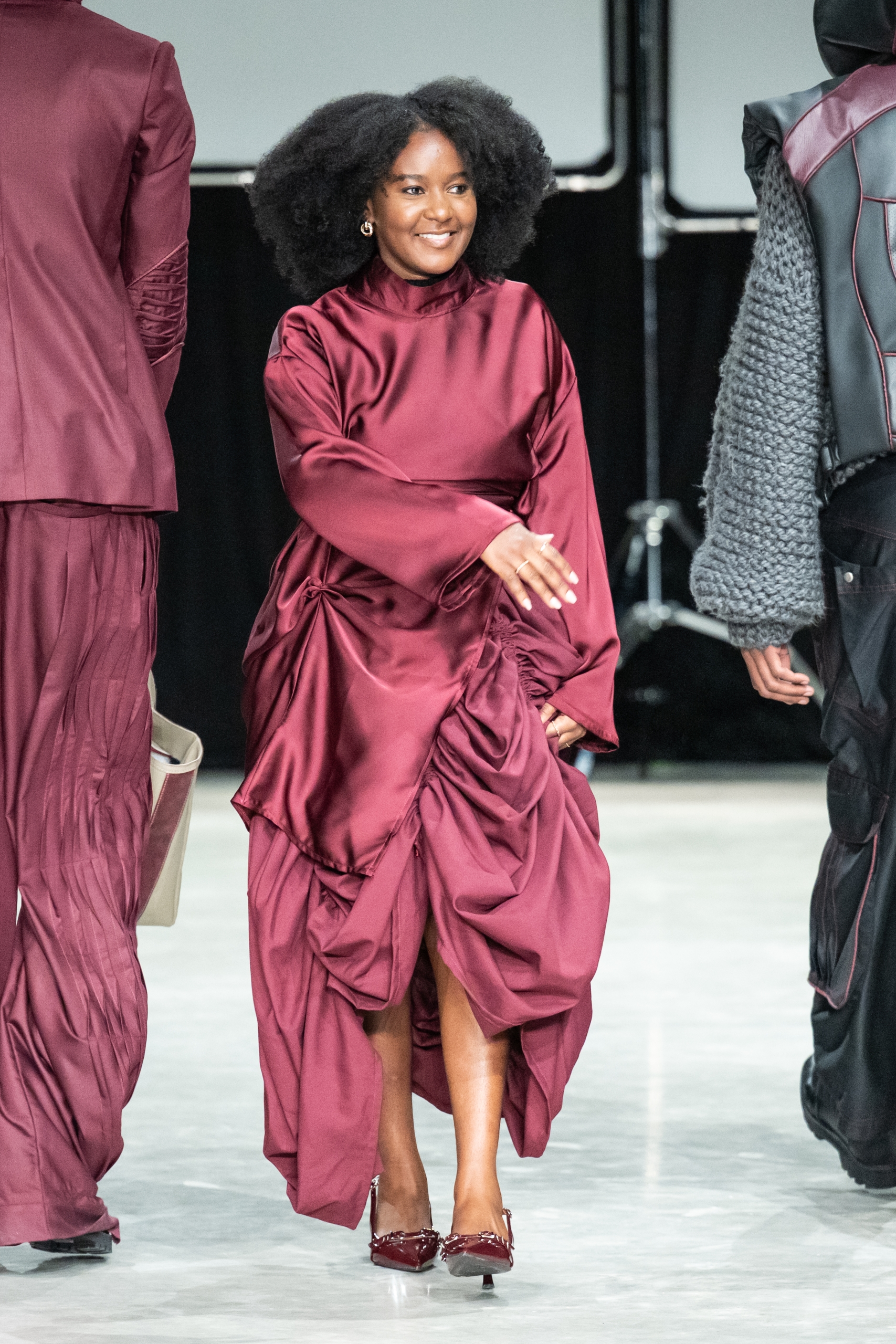
Women who shape the future rarely follow a predetermined blueprint. They experiment, question, rebuild and, sometimes, create an entirely new language of their own. For Angolan-born designer Ana Nunes, that language is fashion.
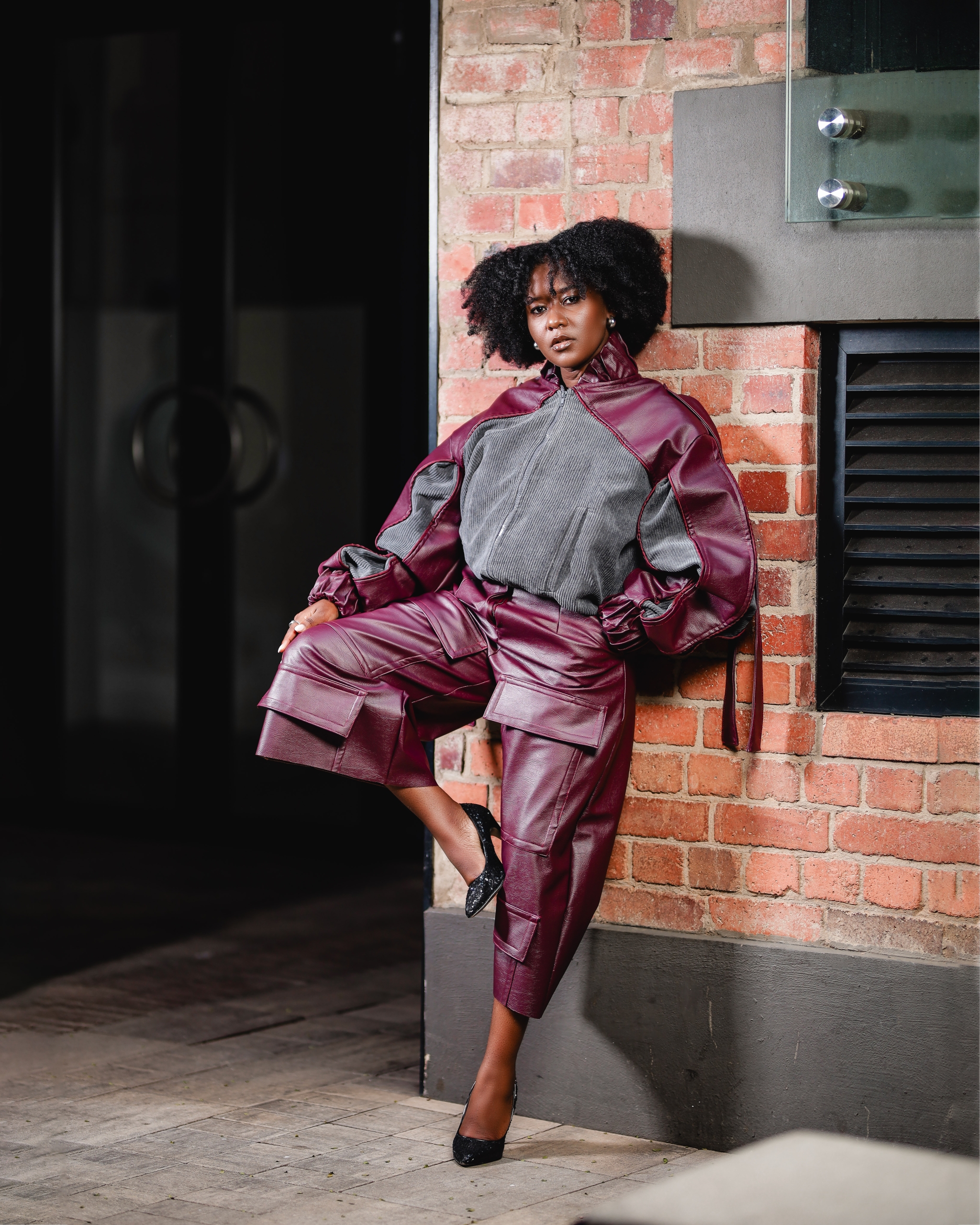
As the Founder and Creative Director of ANUNES, an independent contemporary fashion label based in South Africa, Nunes is carving out a distinct space through sculptural silhouettes, considered construction and a fearless approach to self-expression. Her journey began long before fashion school, rooted in a family legacy of tailoring that introduced her to the art of making from an early age. Holding an Honours Degree in Fashion from STADIO School of Fashion, Nunes has transformed that early fascination into a design practice that sits at the intersection of avant-garde expression and wearability. Through ANUNES, whose ethos is “Made to Represent”, she creates clothing that is not about prescribing an identity, but empowering the wearer to define their own.
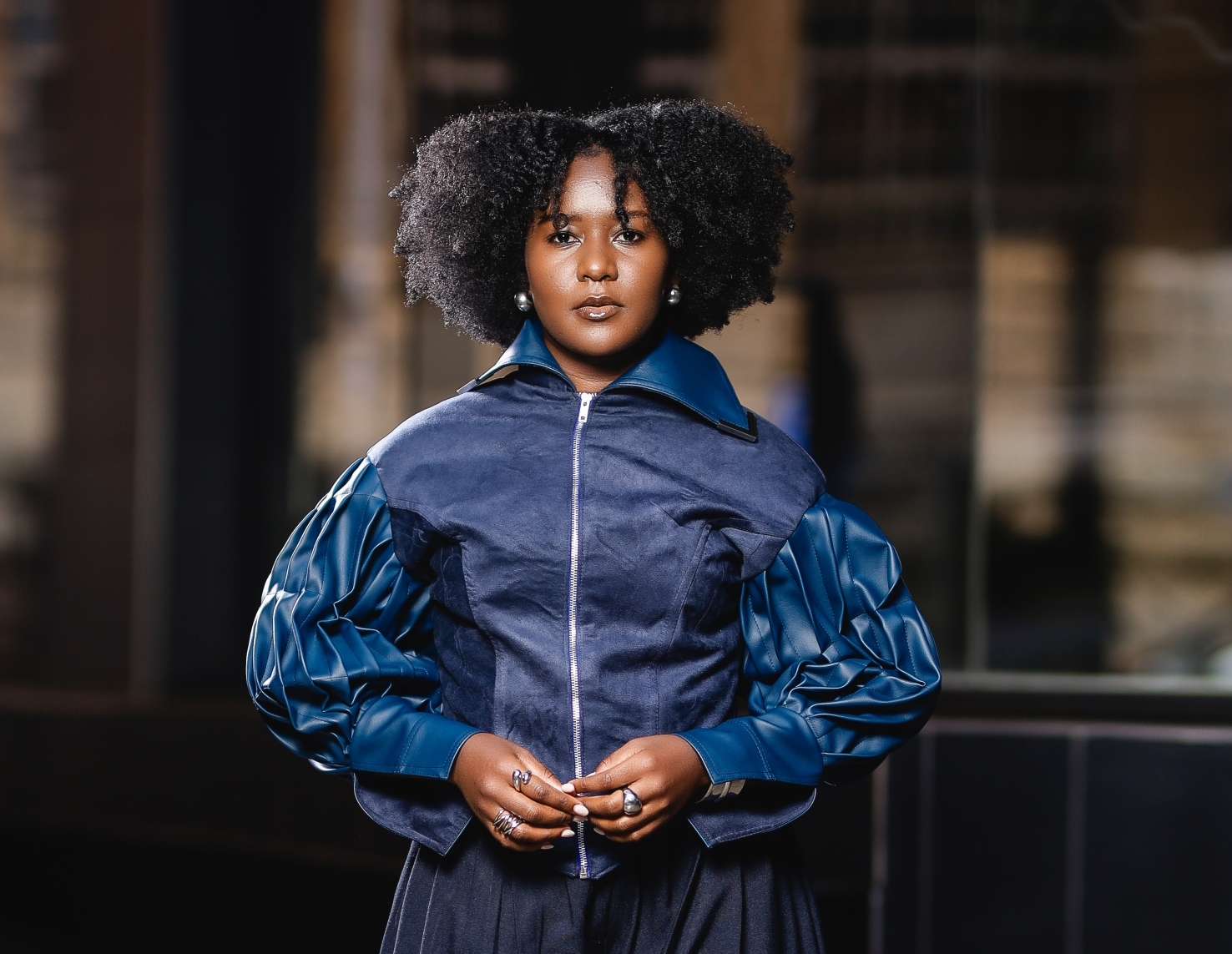
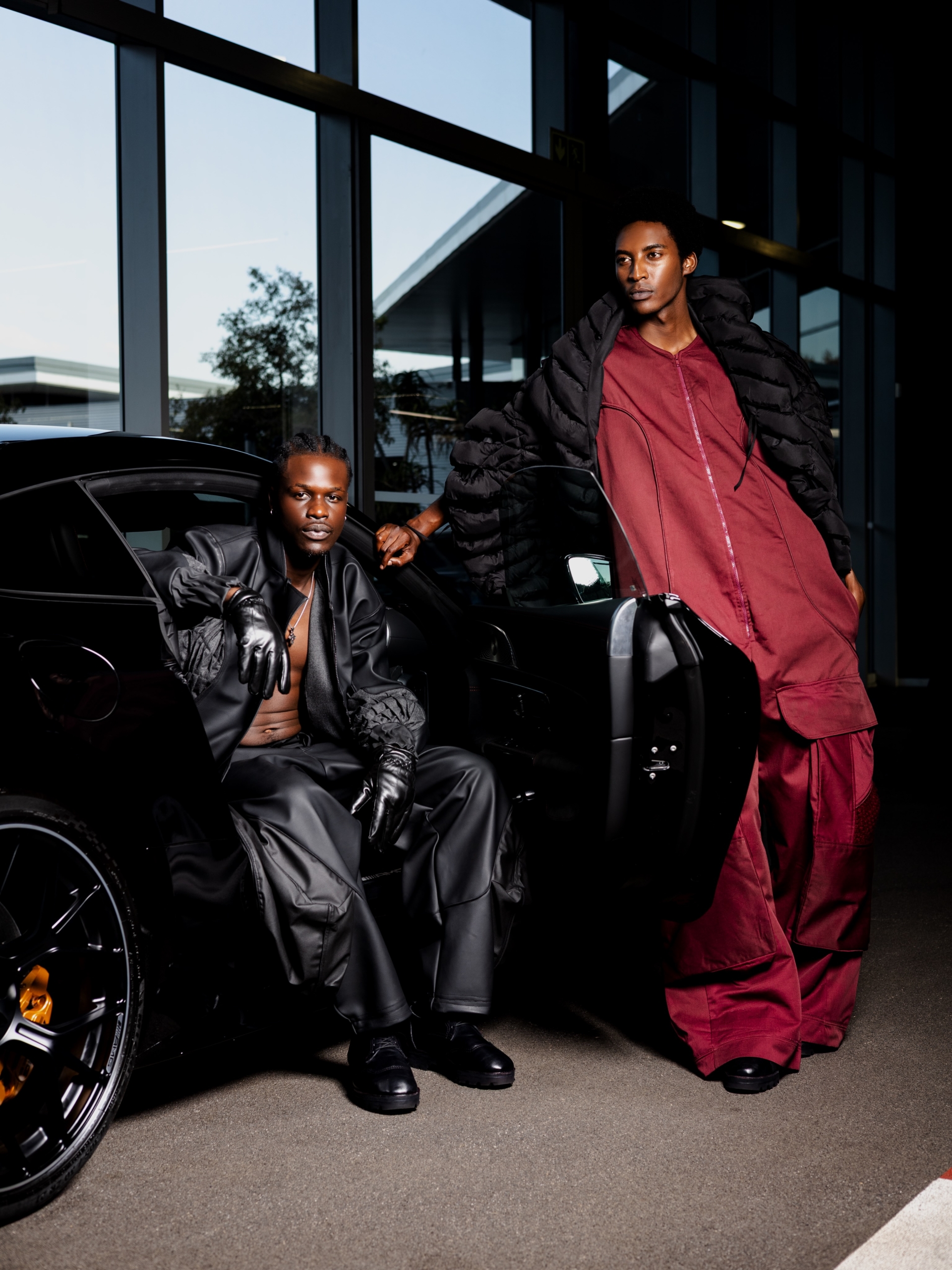
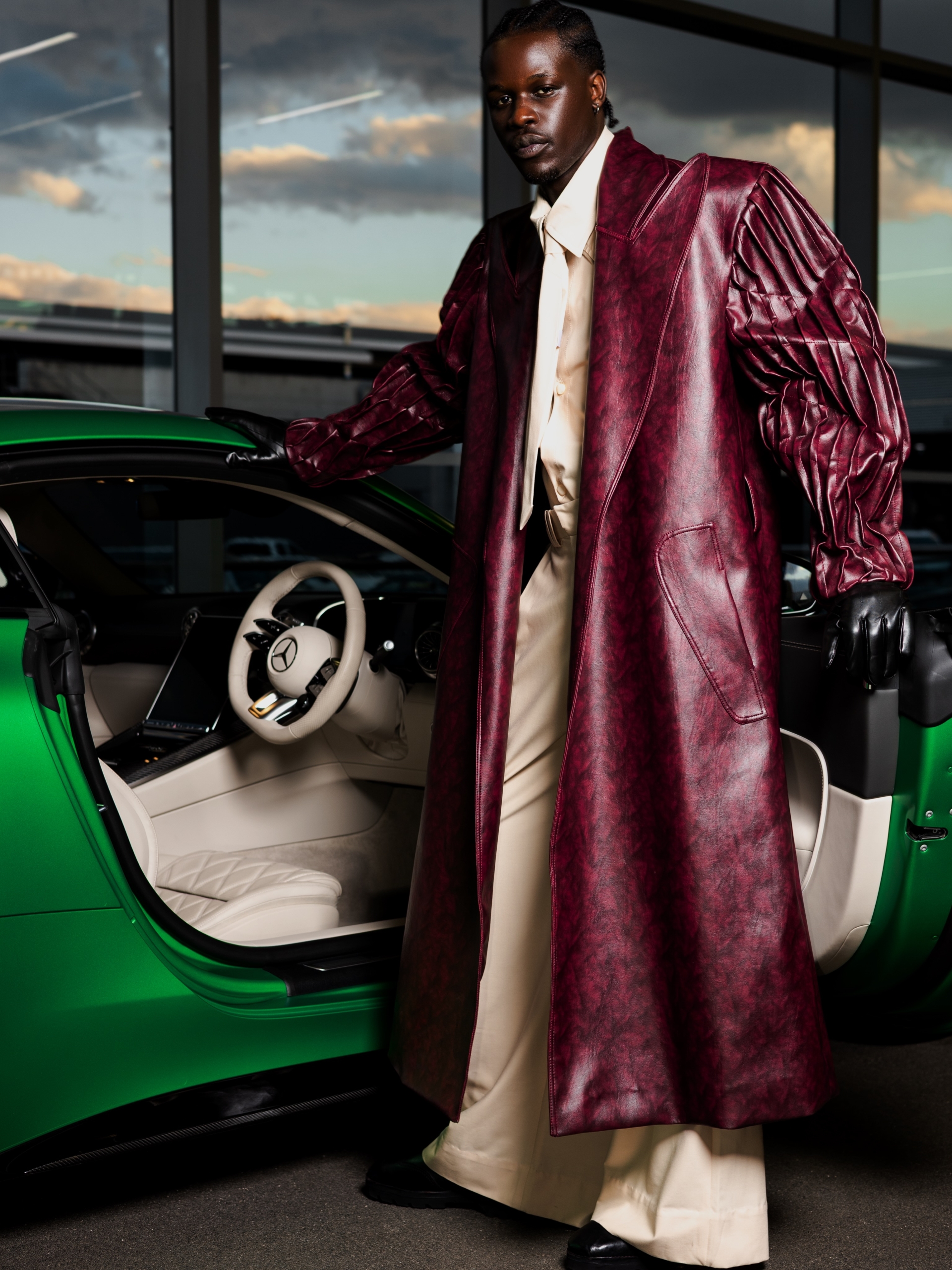
Her viral The Second Drive collection, which translated the visual language of Formula 1 and high-performance cars into fashion, offered a striking example of her ability to turn curiosity into something unexpected. Yet, beyond the sculptural garments and bold concepts is a designer deeply interested in individuality, adaptability, sustainability and the possibilities of African fashion.
As we close our HER Power: Stories of Women Shapeshifters series this Women’s Month, we speak to Ana Nunes about finding her creative voice, carrying a family legacy forward, challenging convention and building a fashion brand on her own terms.
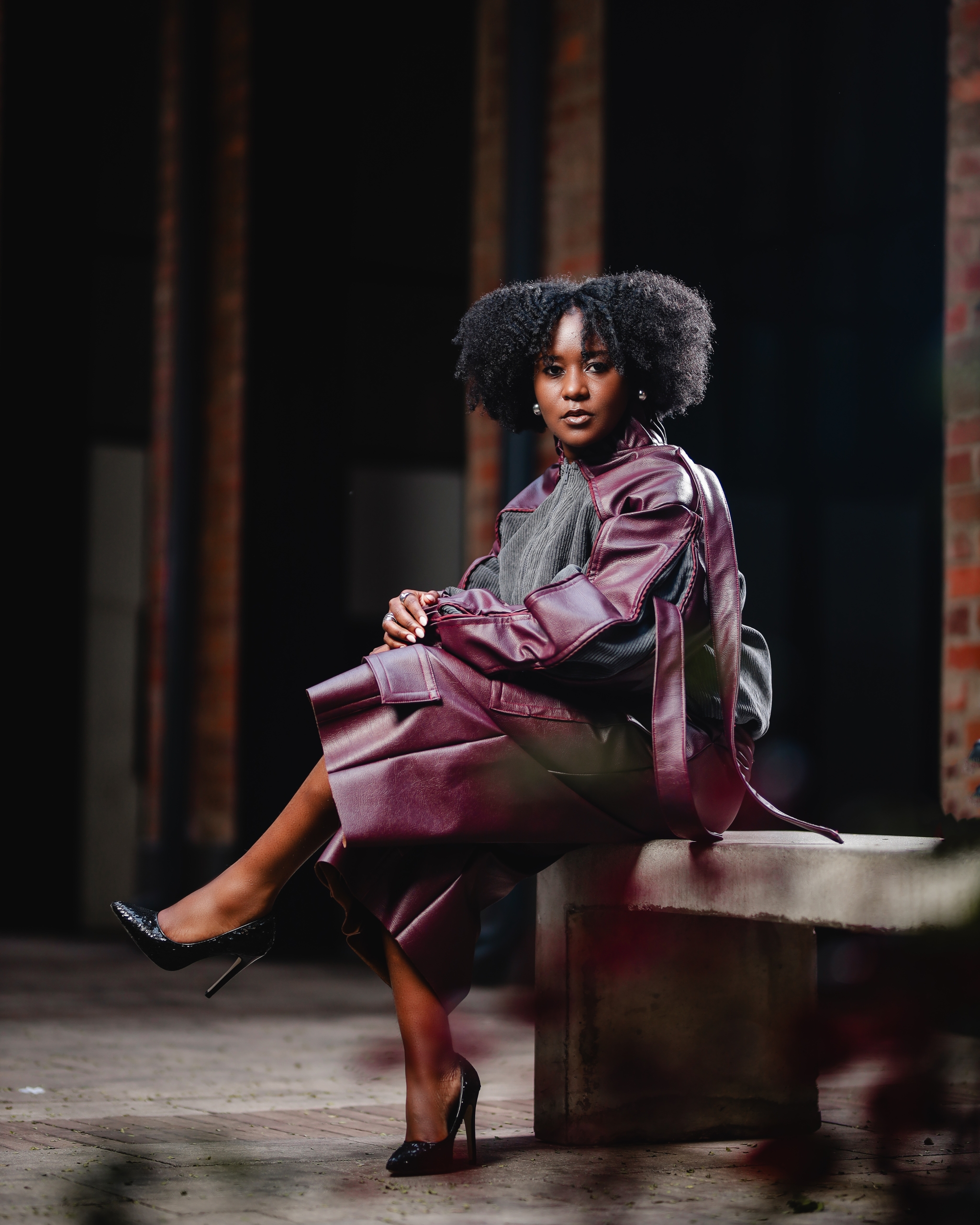
1. Where did your relationship with fashion begin, and when did you realise you wanted to become a designer rather than simply work within the industry?
My relationship with fashion began at home. My great-grandmother and grandmother were tailors, and my mother had her own atelier, so I grew up surrounded by the making of clothes. I became fascinated by construction from a young age. I remember using an old sewing machine to make clothes for my doll, eventually creating an entire wardrobe for her and even making pieces for my friends’ dolls.
As I grew older, I started helping my mother with her atelier and making garments myself. I initially followed a different academic path in Angola, but I realised I couldn’t see myself building my future in that field. Fashion had always been the path I imagined for myself, so I made the decision to move to South Africa and formally study fashion.
That decision eventually led to ANUNES, a name rooted in my identity and family, and my way of continuing a legacy of making while creating something of my own.
2. ANUNES has such a distinct visual language. What is the design philosophy behind the brand, and what do you want your clothes to make people feel?
At the heart of ANUNES is the belief that clothing should allow people to represent themselves, to express their individuality, identity and freedom without feeling confined by conventional ideas of how they should dress. This is where our ethos, “Made to Represent,” comes from.
My design process begins with curiosity. I am constantly drawn to new ideas, forms, materials and perspectives, and I enjoy translating those influences into something that feels personal to ANUNES. I am particularly interested in the tension between the unconventional and the wearable, using structure, proportion and construction to create pieces that feel distinctive while remaining purposeful.
Ultimately, I want someone wearing ANUNES to feel powerful, beautiful, unique and unmistakably themselves. I want them to look in the mirror and see the best version of themselves, to walk into a room with presence and feel like they own the space around them. ANUNES is not about telling people who to be; it is a vehicle for them to express who they already are, or who they want to feel like.
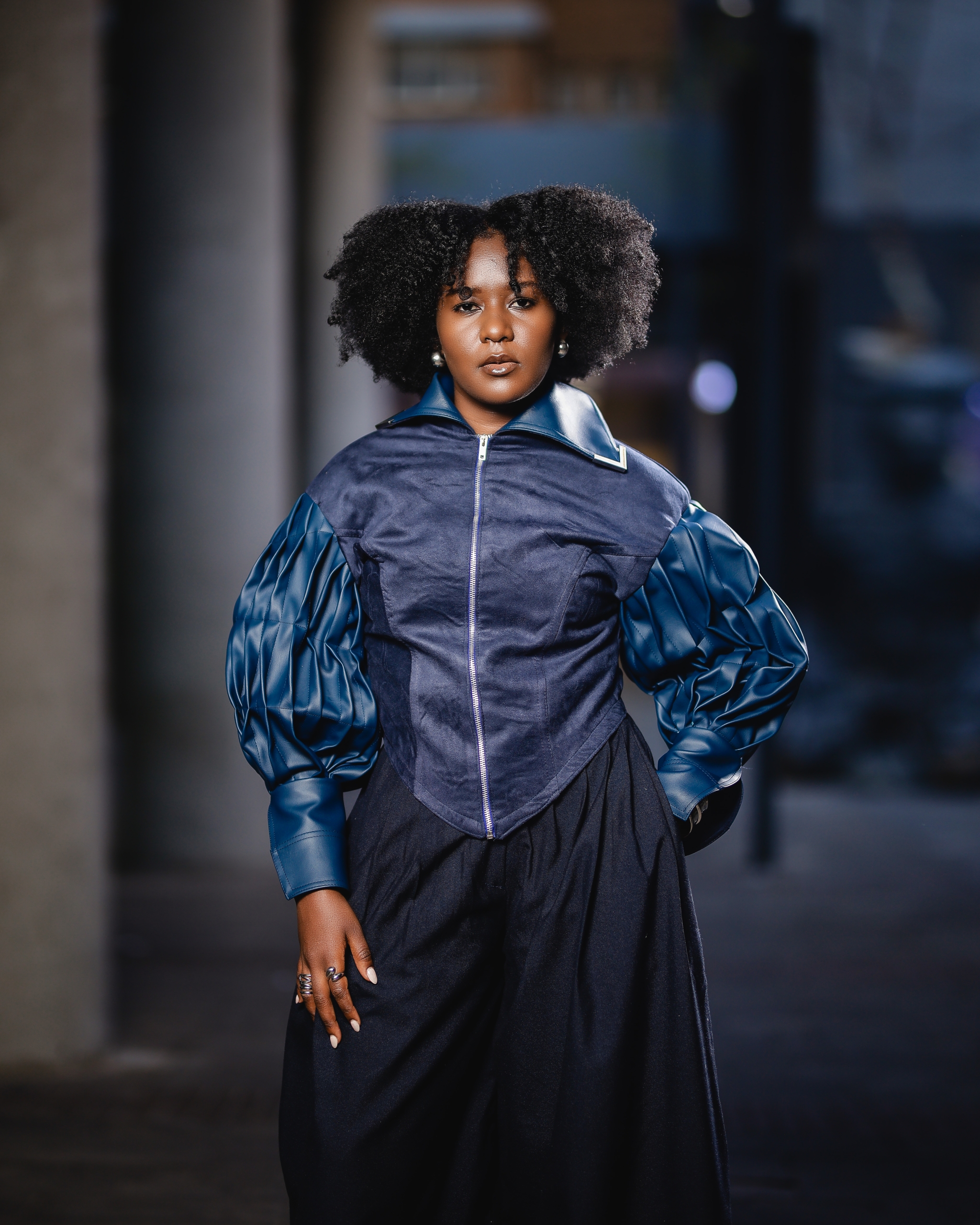
3. Your viral The Second Drive collection transformed the world of Formula 1 into fashion. What drew you to its language of speed, engineering and precision, and how did you make it your own?
The Second Drive began with a simple moment. I remember sitting at a restaurant one Sunday afternoon when I noticed a beautifully designed sports car parked nearby. People would stop to look at it and take pictures, and I started imagining how I could translate that same feeling into clothing.
What fascinated me was not only the design of these cars, but what they make people feel. There is a sense of power, luxury, performance and presence that comes with them. I wanted to create that same feeling through fashion, so that when someone wears a piece from the collection, they can feel powerful, confident and like they own the room.
I explored the language of high-performance cars and Formula 1 through sculptural forms, structured silhouettes and elements of automotive design, but translated them through the ANUNES approach to construction and expression. The Second Drive became my interpretation of that feeling rather than simply a collection inspired by cars.
4. There’s a striking tension in your work between structure and softness, functionality and fantasy. Why is contrast so important to your design language?
Contrast is one of the design principles I naturally enjoy exploring. I am drawn to structure, tailoring and architectural forms, but I also like introducing softness, texture and more organic elements into a garment. For me, bringing these opposites together creates balance and gives a piece more character.
I enjoy seeing how different fabrics, textures and forms can interact with each other. A structured element can give a garment strength and presence, while something softer can bring movement and a different kind of expression. I don’t want one to overpower the other. I like finding the point where they can coexist and make the garment feel unexpected but still harmonious.
That tension is part of what makes the design process exciting for me. It gives me the freedom to explore different sides of an idea within one piece.
5. You design with individuality, adaptability and sustainability in mind. How do you challenge conventional ideas of what fashion should look like while keeping it wearable?
I think challenging convention starts with giving myself the freedom to experiment, while still making sure the garment has a purpose. I like creating pieces that can be styled or worn in different ways, allowing the wearer to decide how they want to express themselves. Adaptability gives the garment a longer life and allows it to become part of different moments and personalities.
Sustainability is something I naturally consider throughout my design process. It comes from how I was raised, where reusing, transforming and avoiding waste were simply part of everyday life. I don’t approach it as a formula or a trend, but as a mindset. Whenever possible, I look for ways to minimise waste, make thoughtful use of materials and create pieces with longevity.
For me, challenging fashion is not about making something difficult to wear. It is about questioning what a garment can be while still allowing someone to live, move and express themselves in it.
6. As an Angolan-born designer building a South African label, how has your perspective shaped the way you approach African fashion and where you believe it can go next?
Being African is an important part of who I am, and naturally, that perspective comes into the way I create. I see myself as a contemporary designer with a global outlook, while remaining deeply connected to the experiences and culture that have shaped me.
Angola gave me my roots, while South Africa has played an important role in my development as a designer, particularly through my formal training and the technical foundation I built here. The two experiences complement each other and continue to shape my perspective.
I see myself as part of a growing generation of African designers bringing different perspectives to the global fashion landscape. I believe there is so much potential for African fashion to continue evolving, and I want to contribute to that through my own language, experiences and freedom to keep exploring.
7. This Women’s Month, we’re celebrating women who shape their own paths. What has being a woman in fashion taught you about taking up space, trusting your vision and refusing to compromise it?
Being a woman in fashion has taught me to trust my own vision and to keep going, even when things don’t always go as planned. There are moments when we may have to work harder to be taken seriously, but I don’t believe that should become a limitation or define the way we see ourselves.
I think you can take up space while still learning and growing. You don’t need to have everything figured out before you start. For me, it is about knowing what I want to build, staying open to learning, and continuing to become a better version of myself without losing sight of the vision.
I believe that if you find something you genuinely want to do, you owe it to yourself to pursue it. There will always be challenges, but they don’t have to decide how far you go.
8. ANUNES already feels like a brand with somewhere to go. What boundaries are you most excited to break next?
I feel like I’m only beginning to discover what ANUNES can become, and that is what excites me most. I have a clear foundation, but there is still so much I want to explore, learn and develop as both a designer and a brand.
I’m excited to keep pushing the boundaries of construction, transformation and wearability, while finding new ways to incorporate sustainability into my design process. I also want to continue developing the visual language of ANUNES and understanding how far I can take it without losing what makes the brand feel like itself.
I’m not trying to have everything figured out yet. I’m building ANUNES with intention, one collection and one idea at a time, and I’m excited to see how that foundation grows into something bigger.