South Africa’s fashion industry has never lacked creativity. From emerging designers producing globally relevant collections to manufacturers driving innovation in local production, the sector is rich with talent. Yet for many entrepreneurs, creativity alone is rarely enough to build a sustainable business.
Access to markets, manufacturing capacity and commercial opportunities continue to determine which brands survive and which quietly disappear.
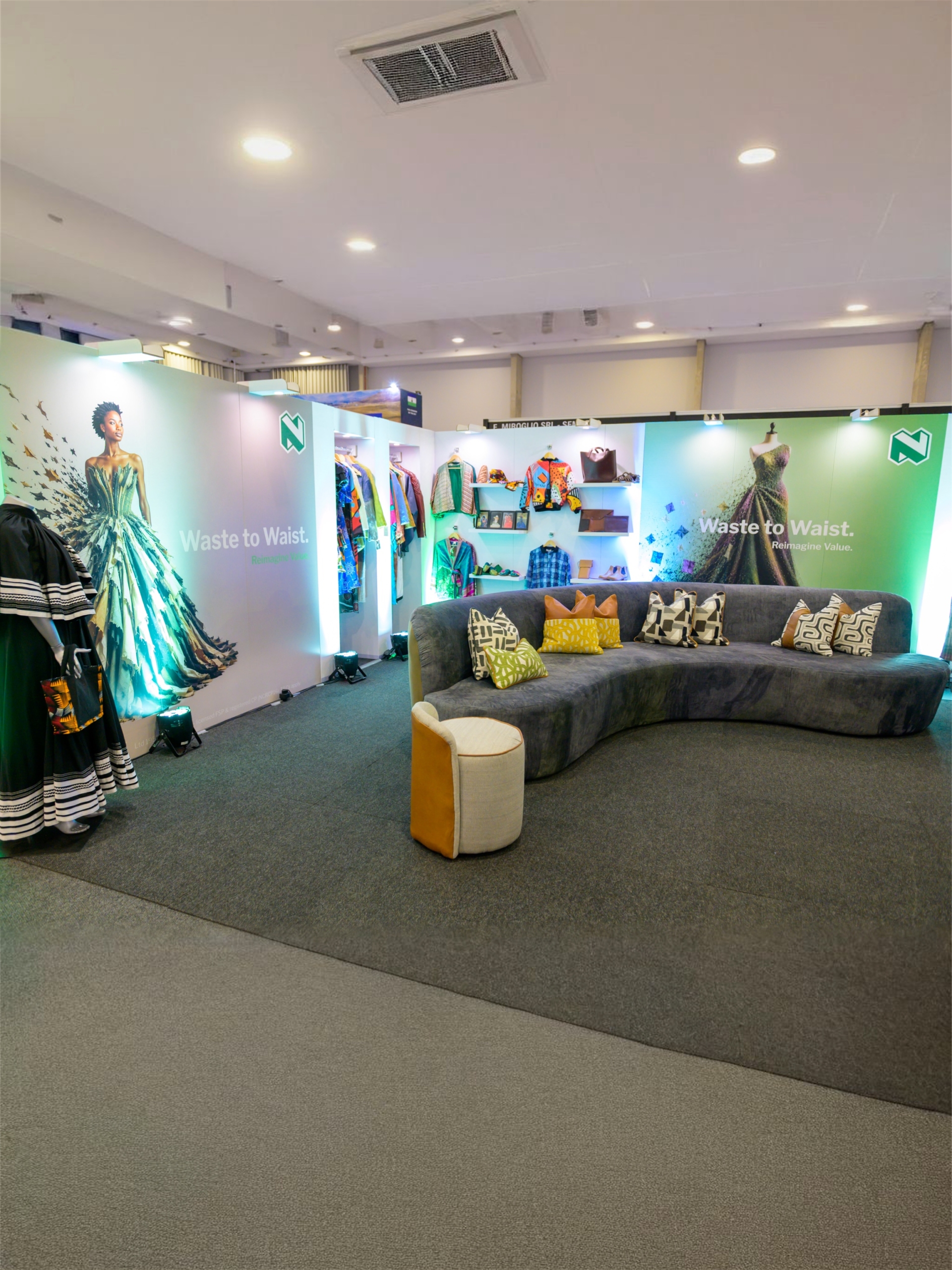
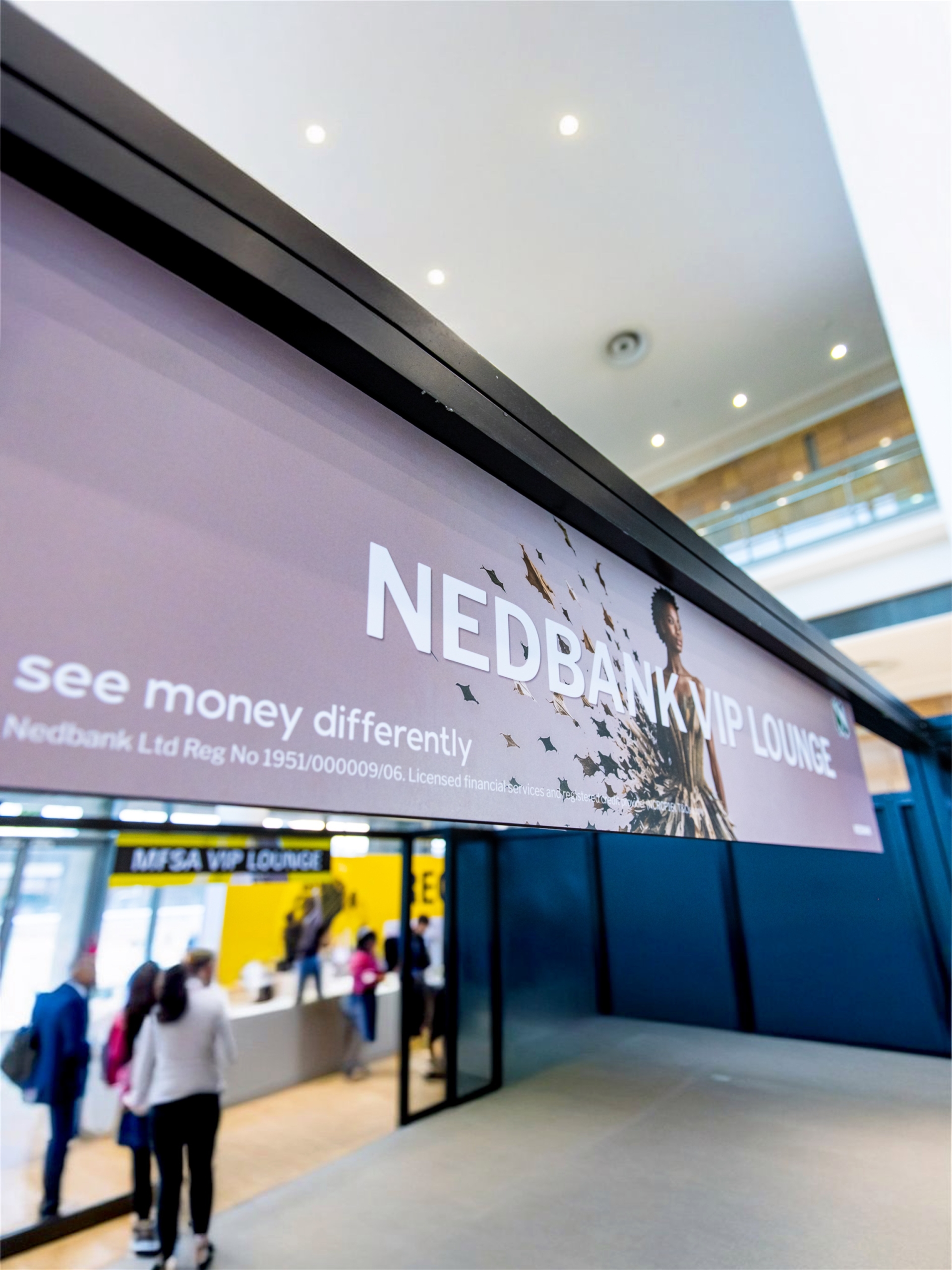
Those realities shaped many of the conversations at this year’s AllFashion Sourcing Cape Town, where manufacturers, retailers, buyers, designers and policymakers gathered to explore the future of the industry. Among the exhibitors was an organisation not traditionally associated with fashion: Nedbank.
For the bank, however, its presence was never simply about sponsorship. It was about demonstrating how financial institutions can play a meaningful role in building an industry capable of creating jobs, supporting entrepreneurs and contributing to economic growth.
“For us, it is really about showcasing the work we’ve been doing through our social strategy, where we support entrepreneurs to develop their businesses and create jobs,” says Maluta Netshaulu, Head of Social Impact Portfolio Development at Nedbank.
“We also wanted to showcase the impact that the green economy is having across different sectors, including fashion.”
That purpose sits at the heart of Nedbank’s broader strategy.
“It is very much representative of our purpose at Nedbank as financial experts who do good,” Netshaulu explains. “It also speaks to our bigger ‘why’, which is about creating social justice through economic justice by transforming the current economic system.”
For Netshaulu, the fashion industry offers an important opportunity to translate those ambitions into tangible action.
“The fashion industry can be very challenging. If you’re not one of the big retailers, you really struggle to access the market or make money,” he says. “We wanted to say to entrepreneurs, ‘We see you, and we want to do something about it,’ so that they can grow their businesses and create jobs, because we definitely need those jobs in this country.”
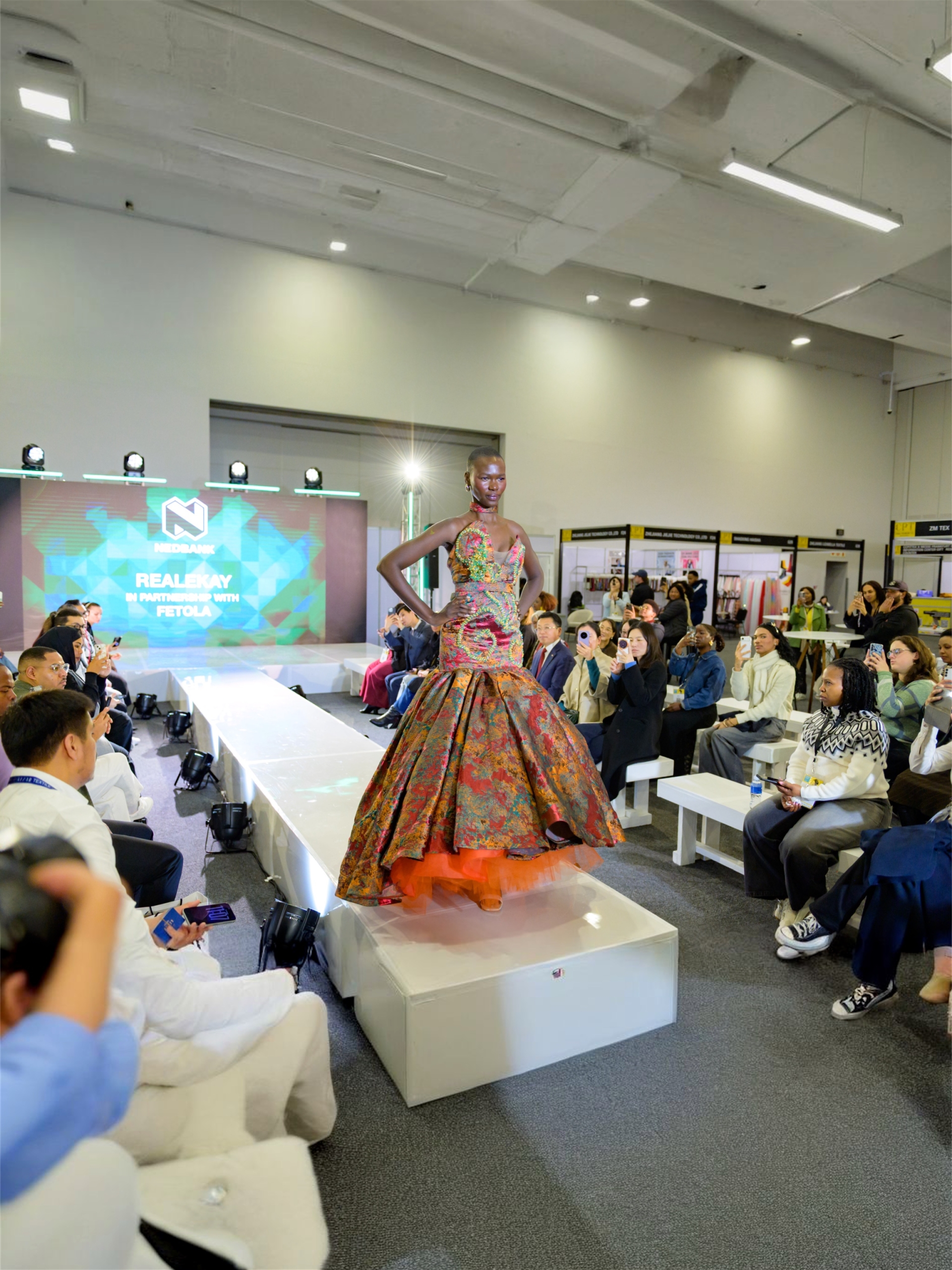
The bank’s decision to return to AllFashion Sourcing for a second consecutive year reflects that long-term commitment.
“As a bank, it makes quite a bold statement,” he says. “It’s not common for a bank to be in a space that’s mostly occupied by manufacturers, designers and others in the sector. We like doing things like this because it sets us apart, but it also demonstrates that we’re in touch with the realities and challenges facing the economy.”
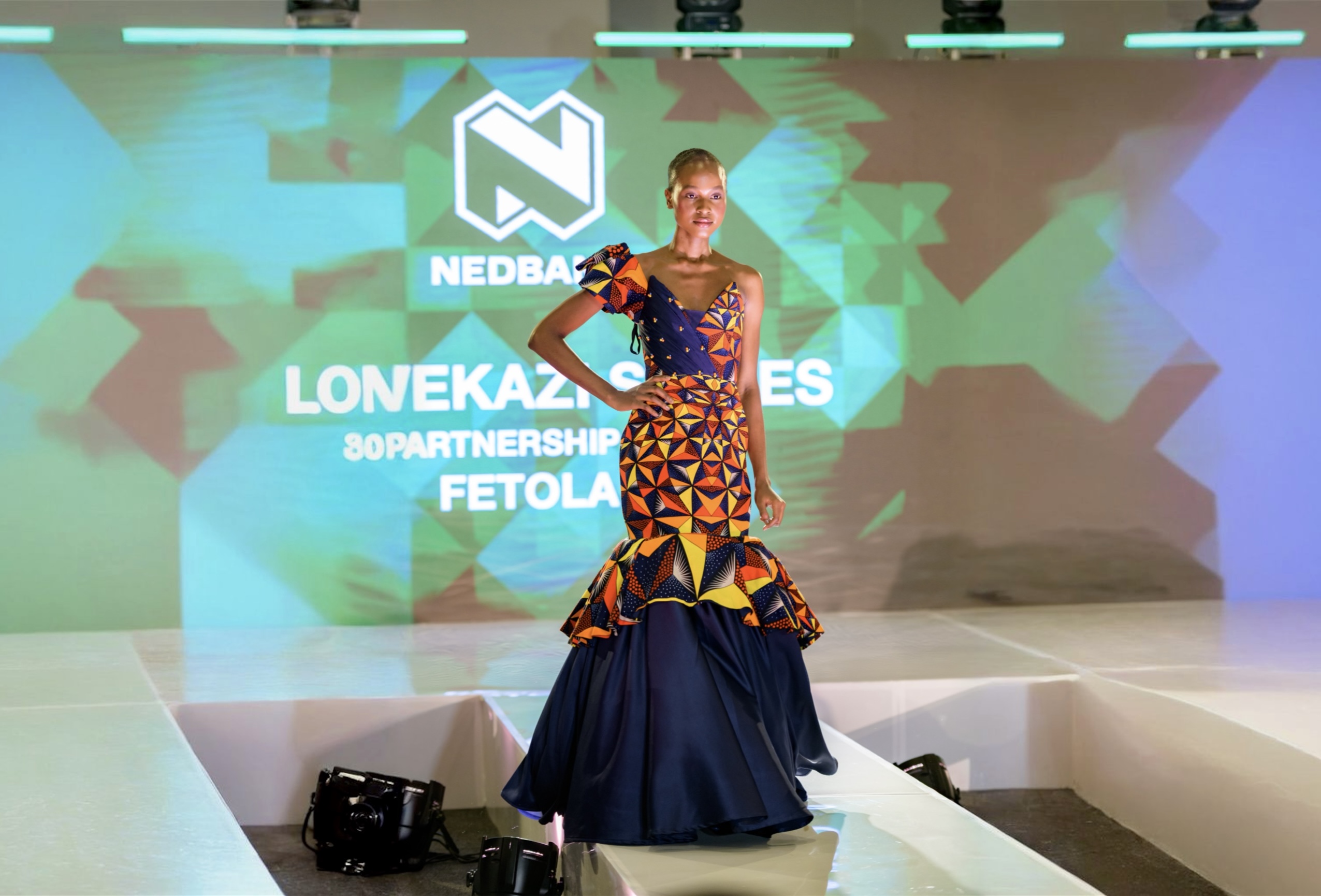
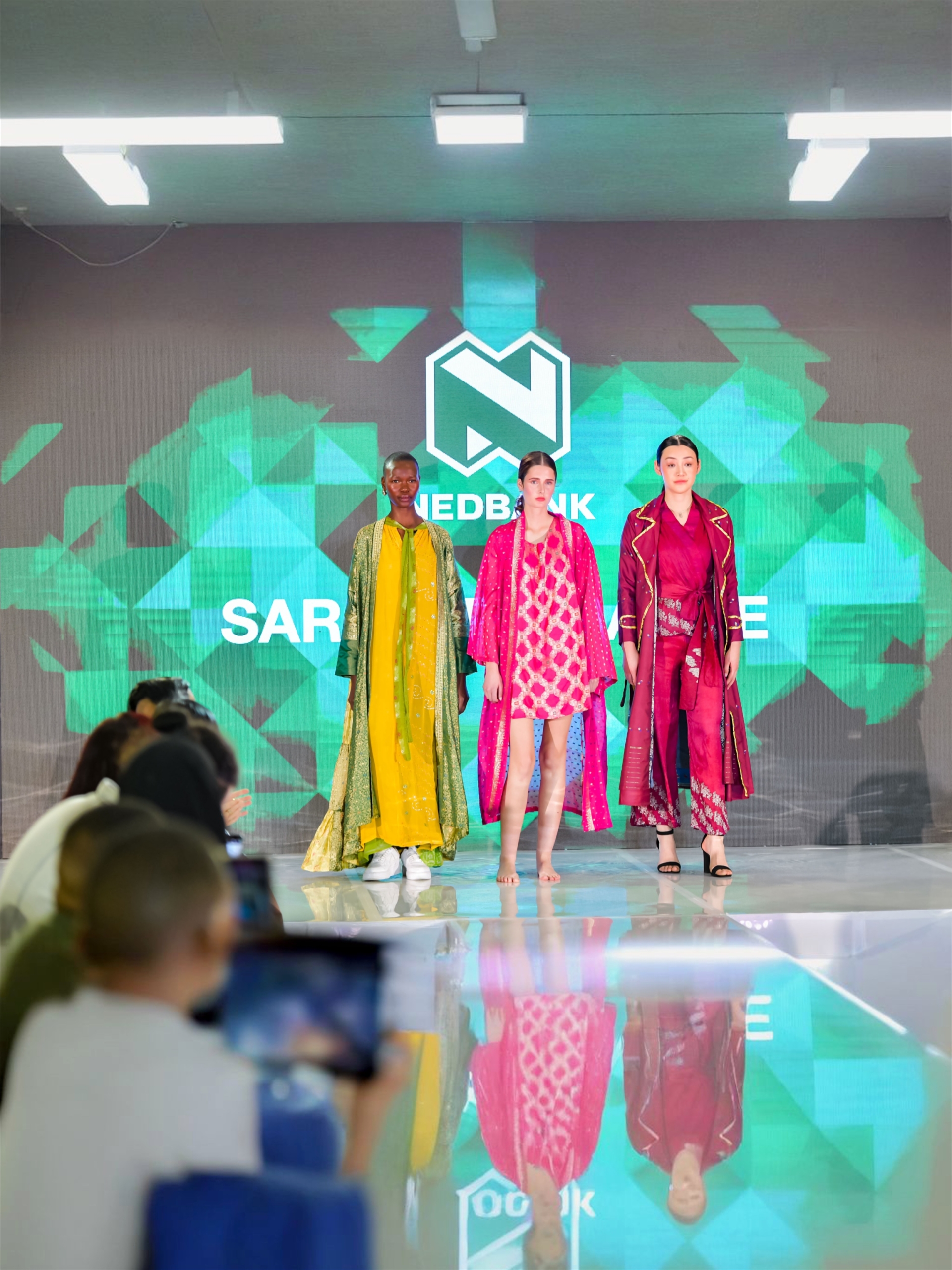
One of the event’s most significant announcements was the launch of the Fashion & Clothing Market Access Accelerator, an initiative developed by Nedbank in partnership with Messe Frankfurt South Africa and business growth specialist Fetola.
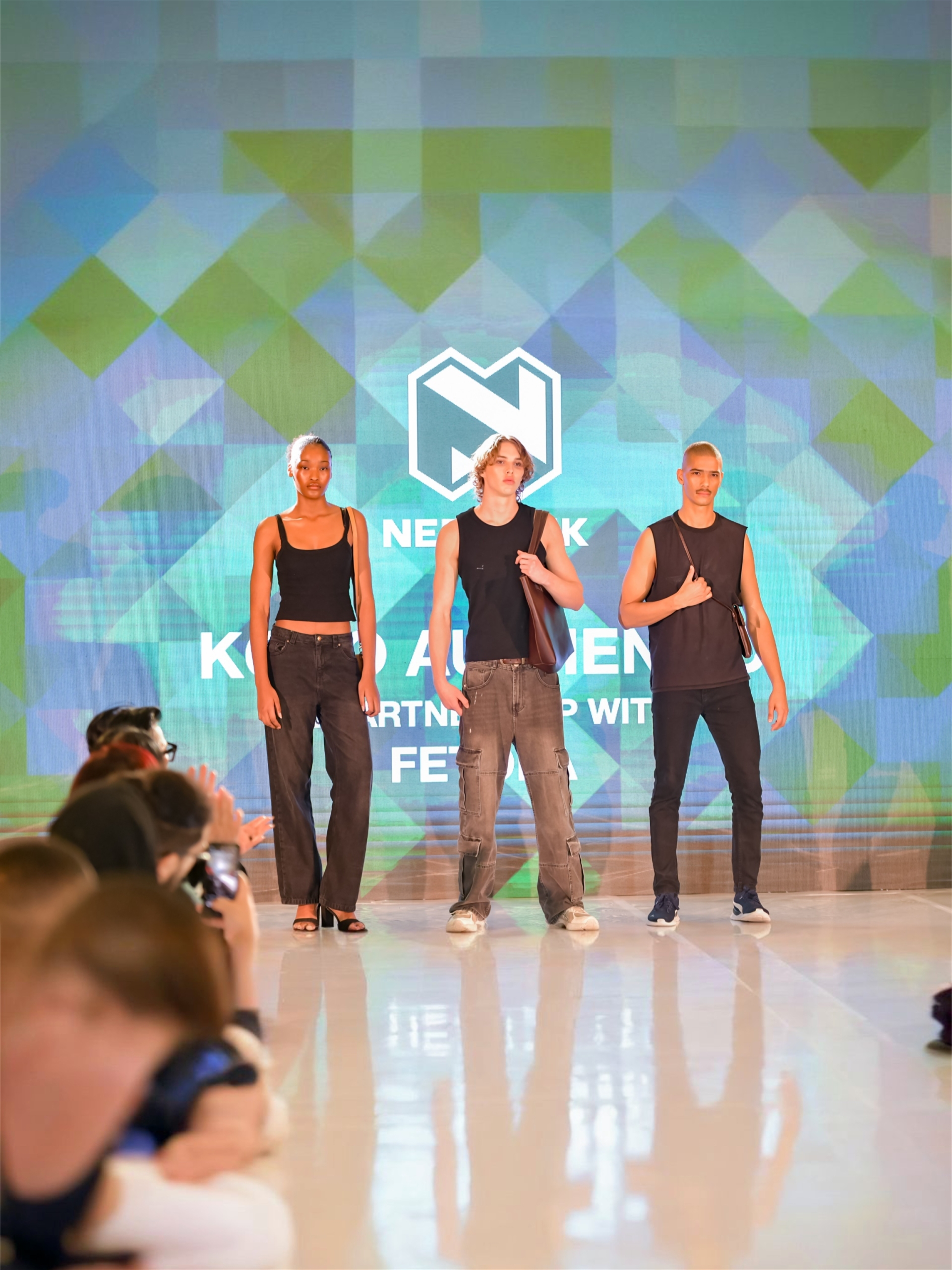
Rather than focusing only on finance, the programme aims to tackle one of the industry’s biggest barriers: access to markets.
“The biggest challenge is always access to resources,” says Netshaulu. “More importantly, for entrepreneurs, it’s also about access to markets. You can have the skills and the funding, but if you don’t have an audience or a market, it means nothing.”
Before developing the accelerator, Nedbank consulted both entrepreneurs and retailers to better understand the disconnect between creative talent and commercial opportunity.
“We spoke to buyers and retailers to ask what it would take for them to buy from fashion entrepreneurs and designers,” he explains. “They were quite honest about wanting consistency, quantity and other requirements.”
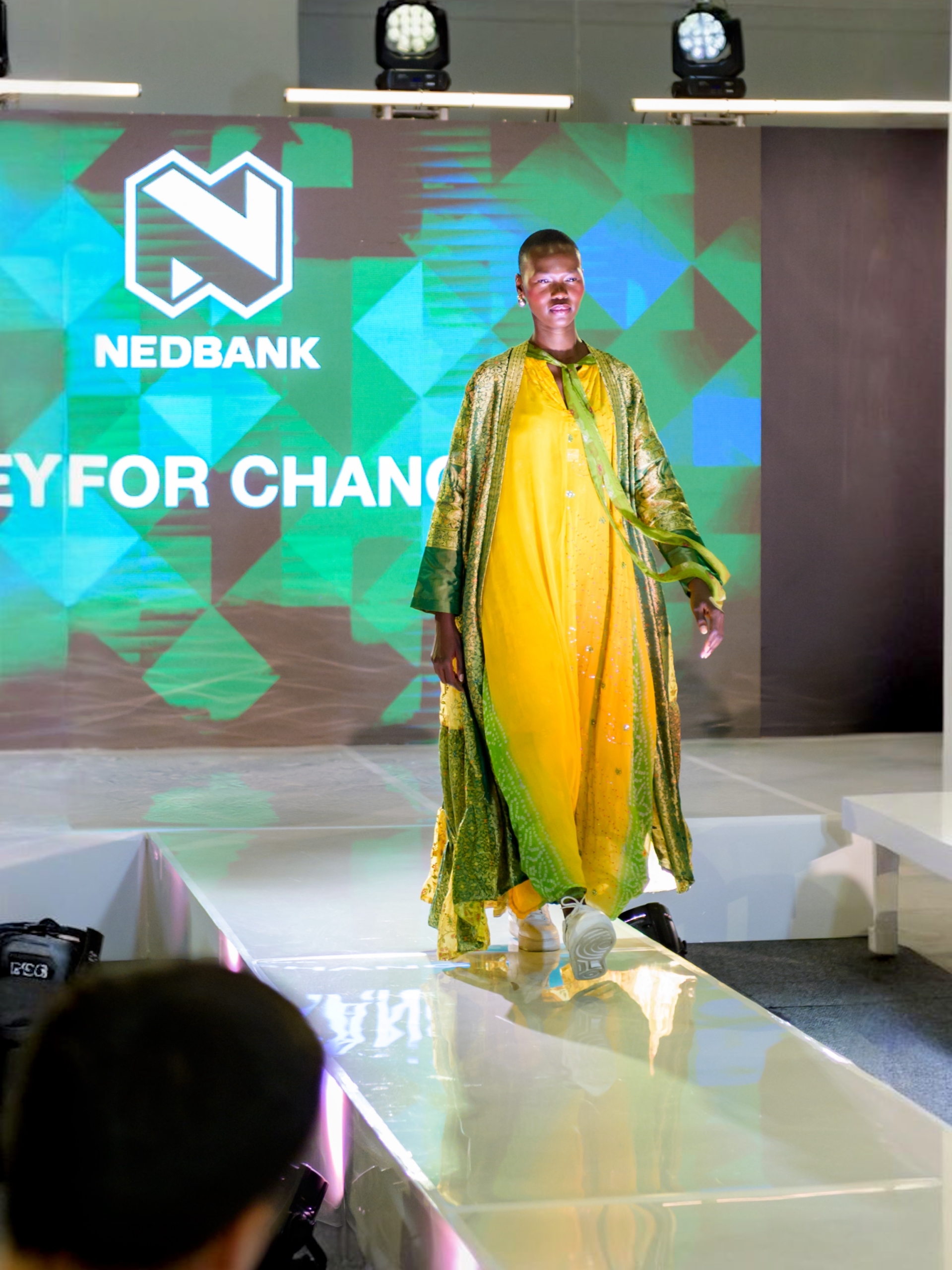
By understanding those expectations, the bank believes entrepreneurs will be better positioned to compete for larger retail opportunities.
“If entrepreneurs understand what buyers require, whether it’s new trends, colours, quality standards or production requirements, they’ll be in a much better position to meet those expectations.”
The accelerator has therefore been designed to prepare businesses for sustainable growth rather than short-term exposure.
Participants will receive tailored support based on their individual needs. That could include business mentorship, funding for specialised machinery, industry certifications or opportunities to showcase their work internationally.
“Fashion designers are business people,” says Netshaulu. “Some start out as creatives, or even as a hobby or a passion, but it’s about helping them develop the mindset that this is actually a business.”
He believes commercial success depends as much on entrepreneurial capability as creative excellence.
“If you’re running a business, there are certain ways you need to operate. It’s about how you plan, negotiate, network and conduct yourself. Those soft skills are important, but so is the technical know-how.”
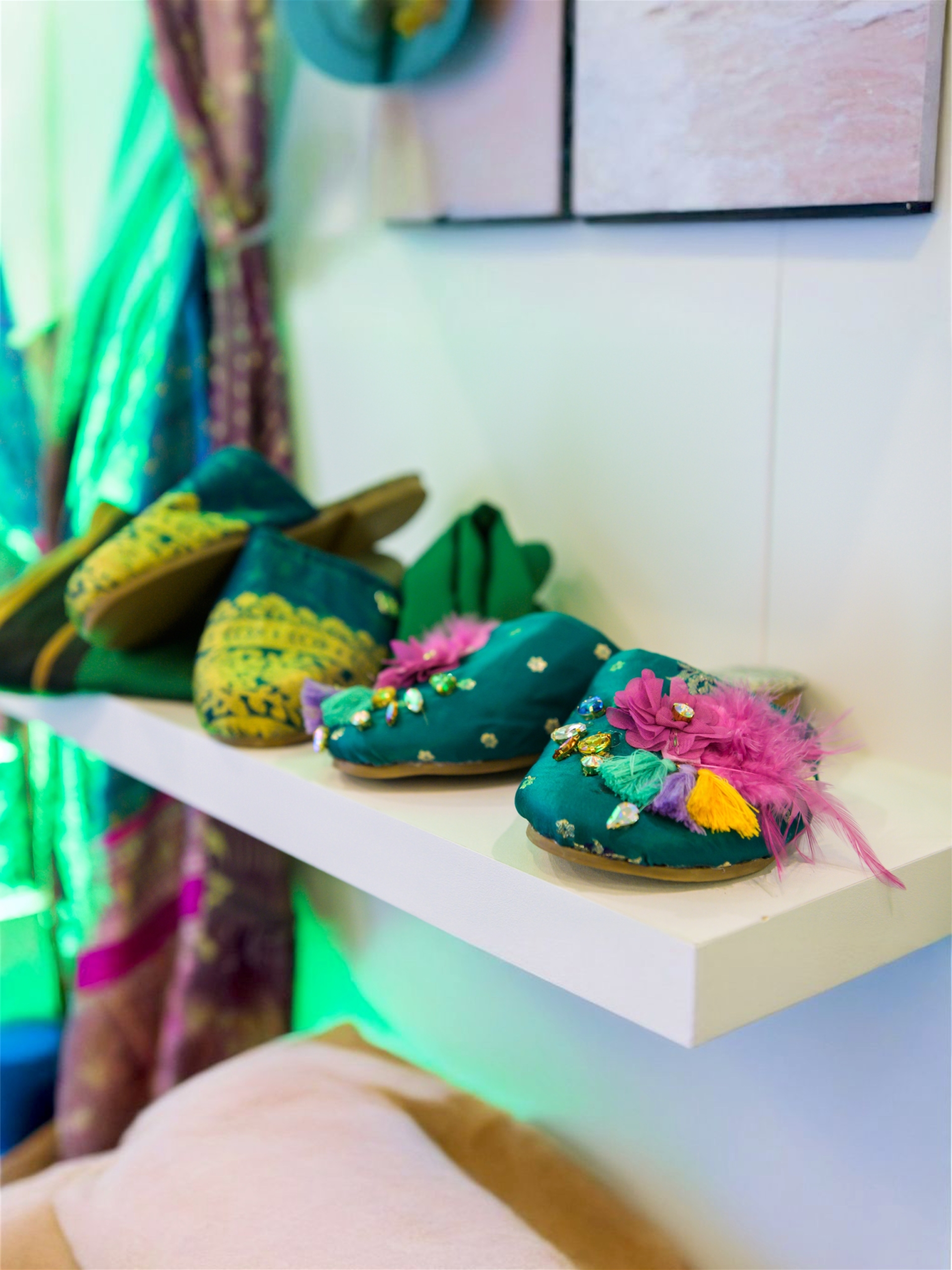
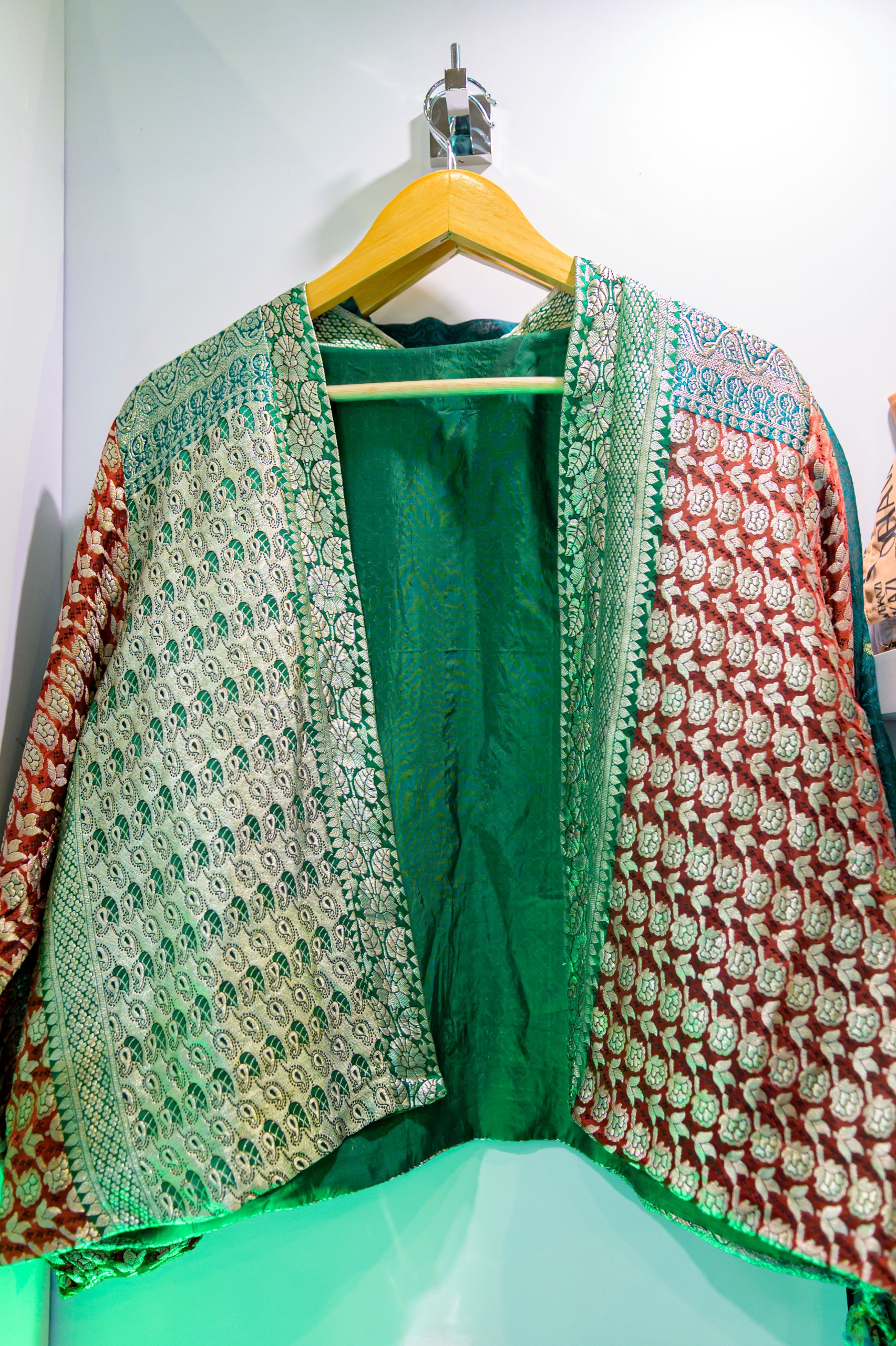
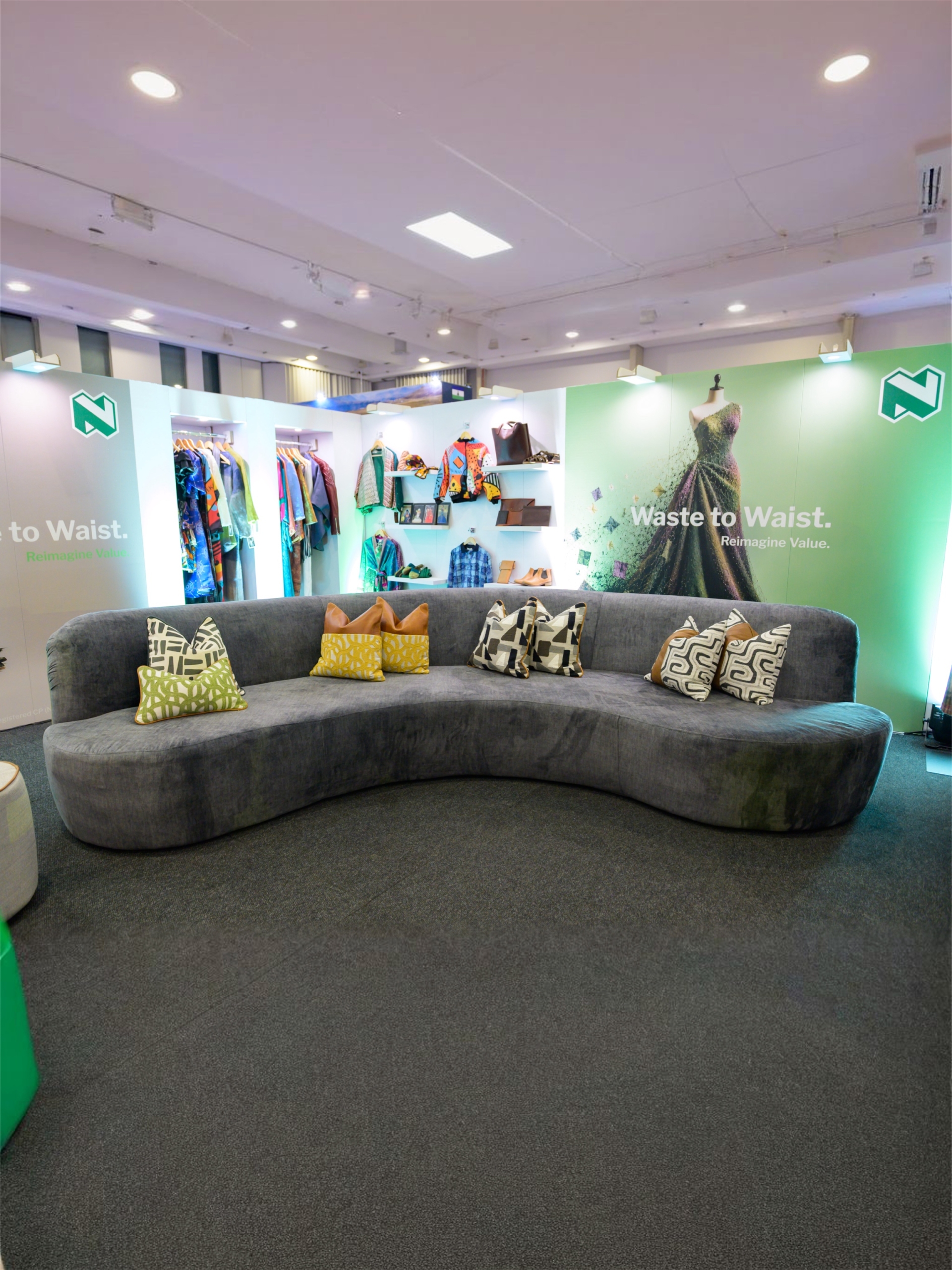
Another defining theme of Nedbank’s presence at AllFashion Sourcing was sustainability, specifically through its Green Economy strategy.
For the bank, sustainability is not simply an environmental objective but a commercial one.
“It’s all about circularity,” Netshaulu says.
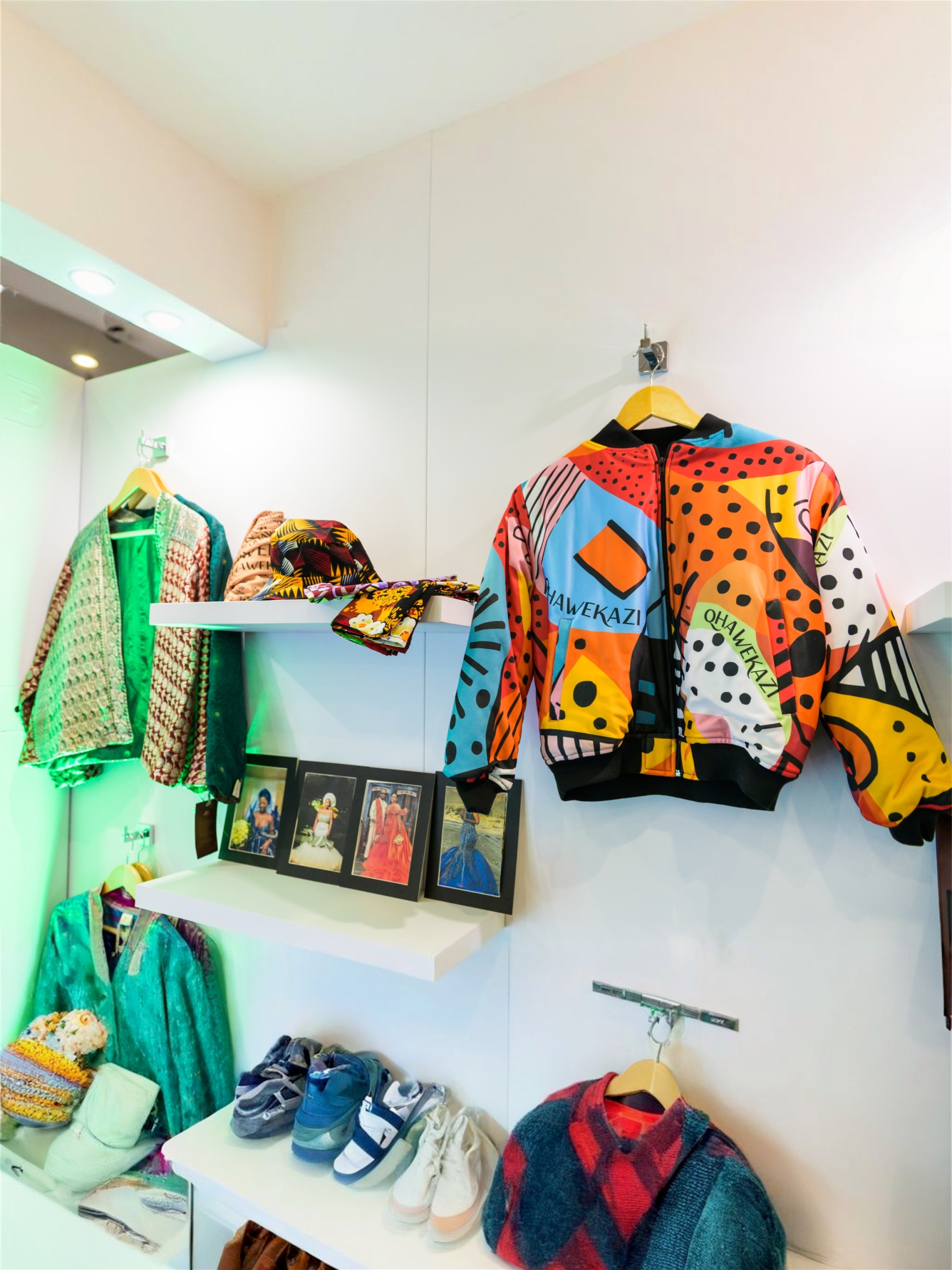
He describes circularity as reusing, redesigning and repurposing materials while reducing unnecessary waste throughout the production process.
“We’re at a point where huge amounts of clothing and textiles end up in landfills, yet we continue buying new clothes for every event or occasion.”
The opportunity, he argues, lies in rethinking how products are designed and manufactured.
“Even when you’re using virgin materials, you can still design your products in a way that minimises waste. You can also think about the type of energy you use, how you use water and how environmentally conscious your production processes are.”
That philosophy underpins Nedbank’s belief in uncovering what it calls the “gold in green”.
“You can build a commercially viable business while also being environmentally sustainable and socially inclusive,” he says. “You can make money while doing good.”
Yet Netshaulu is equally aware that sustainability alone cannot solve the structural issues facing South African fashion.
He points to the steady decline of local manufacturing infrastructure as one of the industry’s greatest constraints.
“It becomes very difficult for fashion designers to compete,” he says. “It’s about quality, patterns and manufacturing capability, and that all requires infrastructure and machinery, which are expensive.”
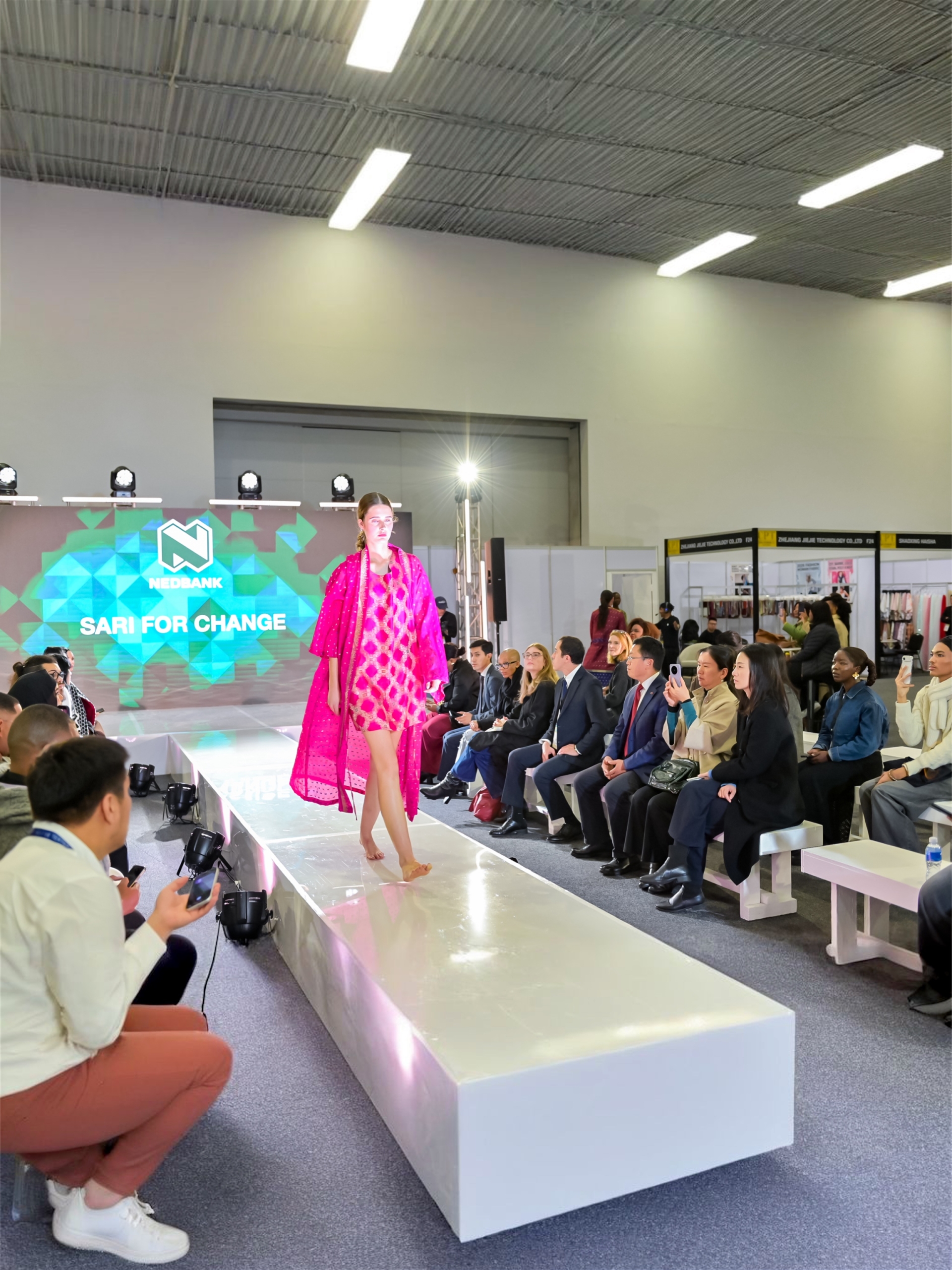
Rather than expecting individual designers to overcome those challenges independently, he believes the industry needs stronger collaboration and shared manufacturing capacity to compete internationally.
The bank’s vision, however, extends beyond supporting individual businesses.
“The big dream is really about changing the narrative and being a catalyst,” says Netshaulu.
“We wanted to come in and drive conversations around sustainability and the circular economy, not just by talking about it but by demonstrating it through the entrepreneurs we work with and the way we approach the event.”
Importantly, he believes sustainability should never come at the expense of good design.
“Sometimes people hear the word ‘sustainable’ and assume the product won’t be attractive,” he says. “What we’re showing through our entrepreneurs is that sustainability and good design can exist together. The aesthetics, the quality and the overall experience still matter.”
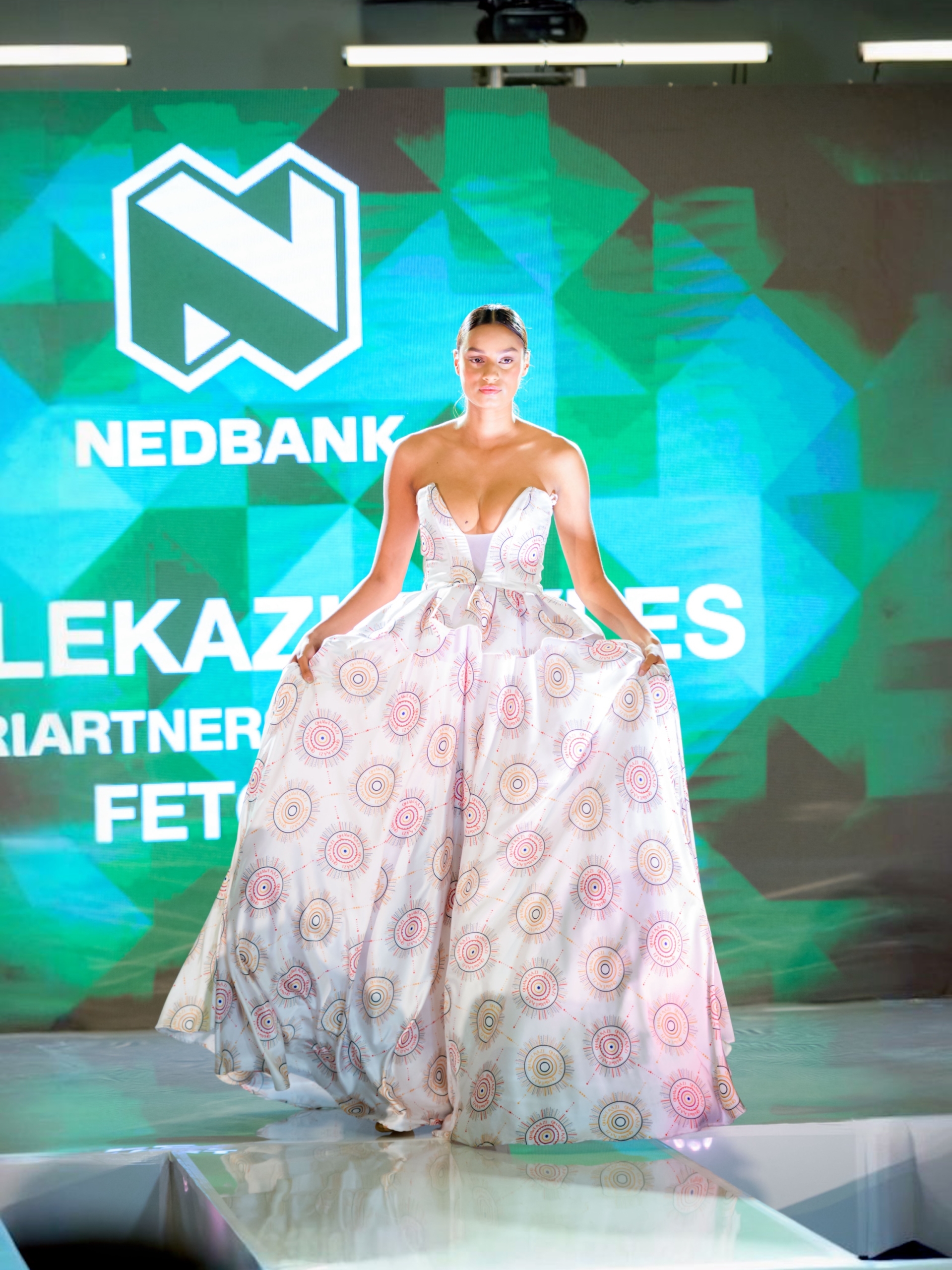
Ultimately, the bank hopes the Fashion & Clothing Market Access Accelerator will do more than prepare entrepreneurs for retail contracts. It hopes to inspire a broader shift in how South Africa builds fashion businesses.
“We want more people to join this movement because we believe it’s the right way to build resilient businesses,” says Netshaulu. “Green businesses tend to be more resilient because they’re environmentally conscious and socially inclusive.”
For Nedbank, investing in fashion is therefore about far more than supporting an industry. It is about backing entrepreneurs capable of creating employment, strengthening local manufacturing and building businesses that can thrive in a changing economy.
As South Africa looks for sectors capable of driving inclusive growth, fashion presents an opportunity that reaches well beyond the runway. With the right partnerships, commercial support and long-term investment, it has the potential to become one of the country’s most powerful engines for entrepreneurship and job creation.