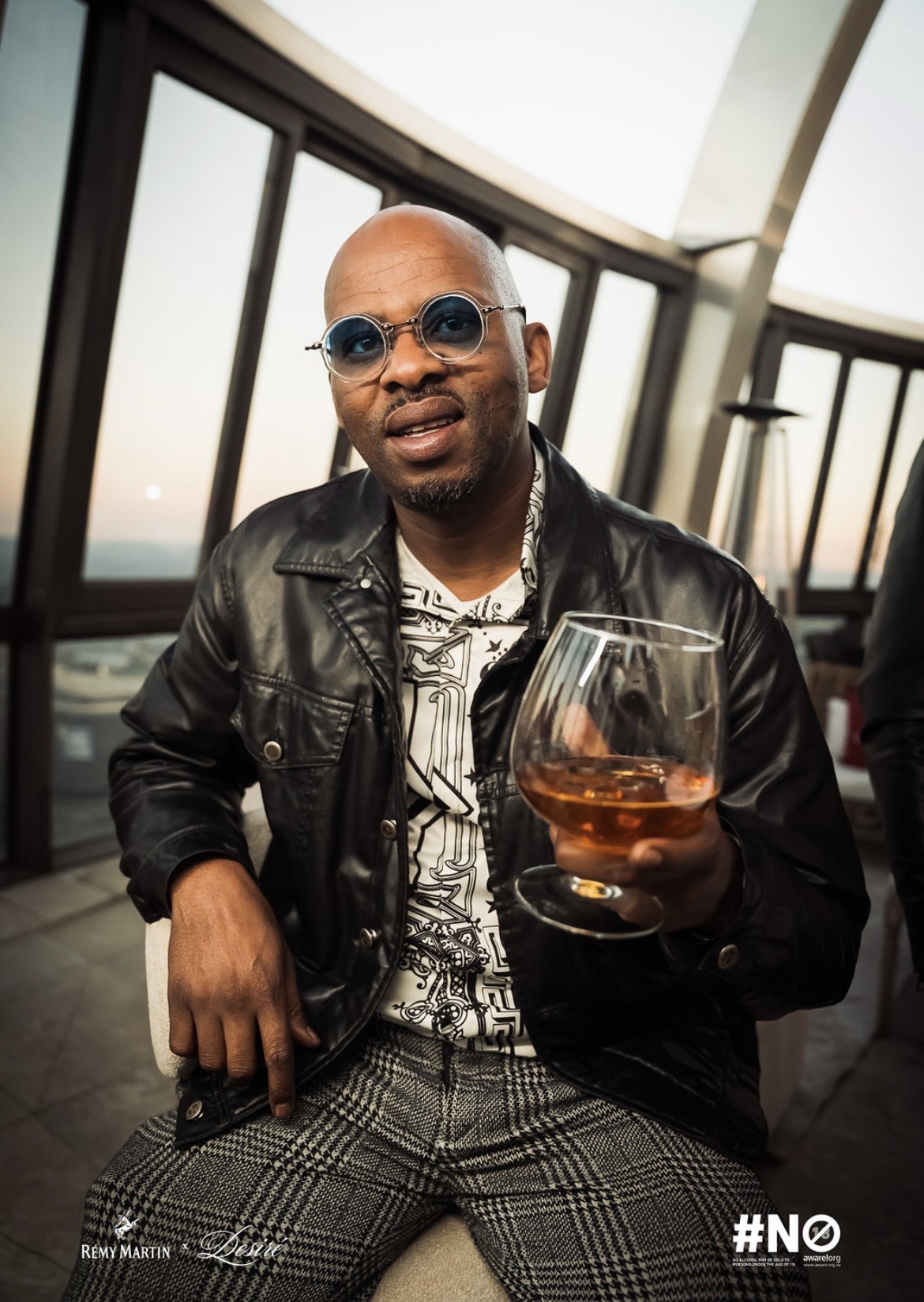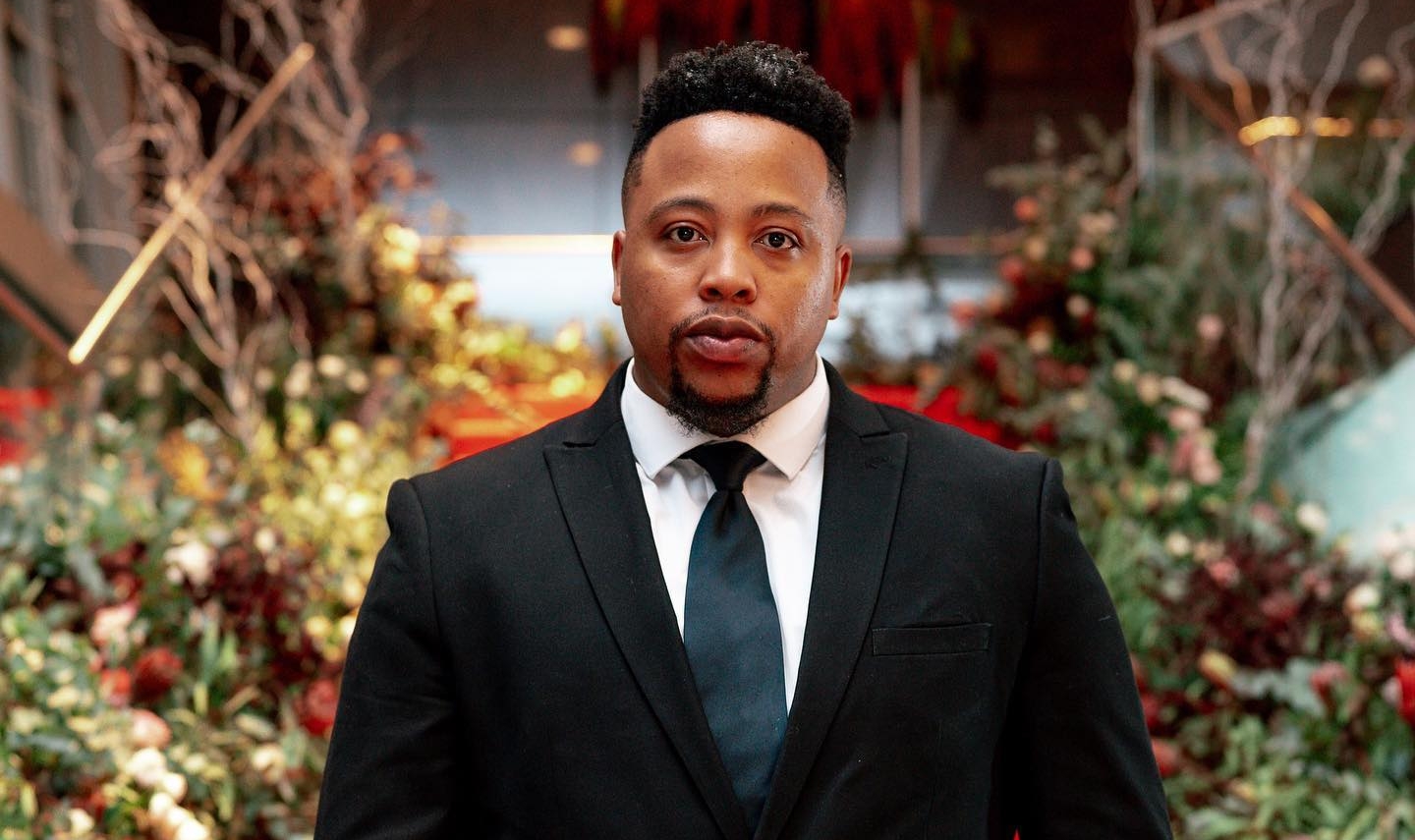
Luxury has long been synonymous with exclusivity, prestige and possession. Don Design, however, believes its future lies in something far more enduring: culture. Through Desiré, the flagship cultural platform from his creative holding company, Very Rare & Co., the South African cultural curator and entrepreneur is bringing together fashion, music, art, gastronomy and hospitality to create experiences that are as intentional as they are inspiring. The platform’s debut unfolded in an exclusive penthouse overlooking Sandton from the Michelangelo Towers, setting the stage for a new conversation around what African luxury can be.
Having spent years working at the intersection of culture, fashion and luxury, Don has built a reputation for creating spaces where creativity and meaningful connection take centre stage. A three-time Paris Fashion Week invitee and a champion of South African talent on the global stage, he sees Desiré not simply as an event, but as a cultural platform with the power to reshape perceptions of African luxury.
We caught up with Don to discuss the thinking behind Desiré, why culture has become luxury’s greatest currency and how he hopes to position South Africa at the forefront of the global cultural conversation.
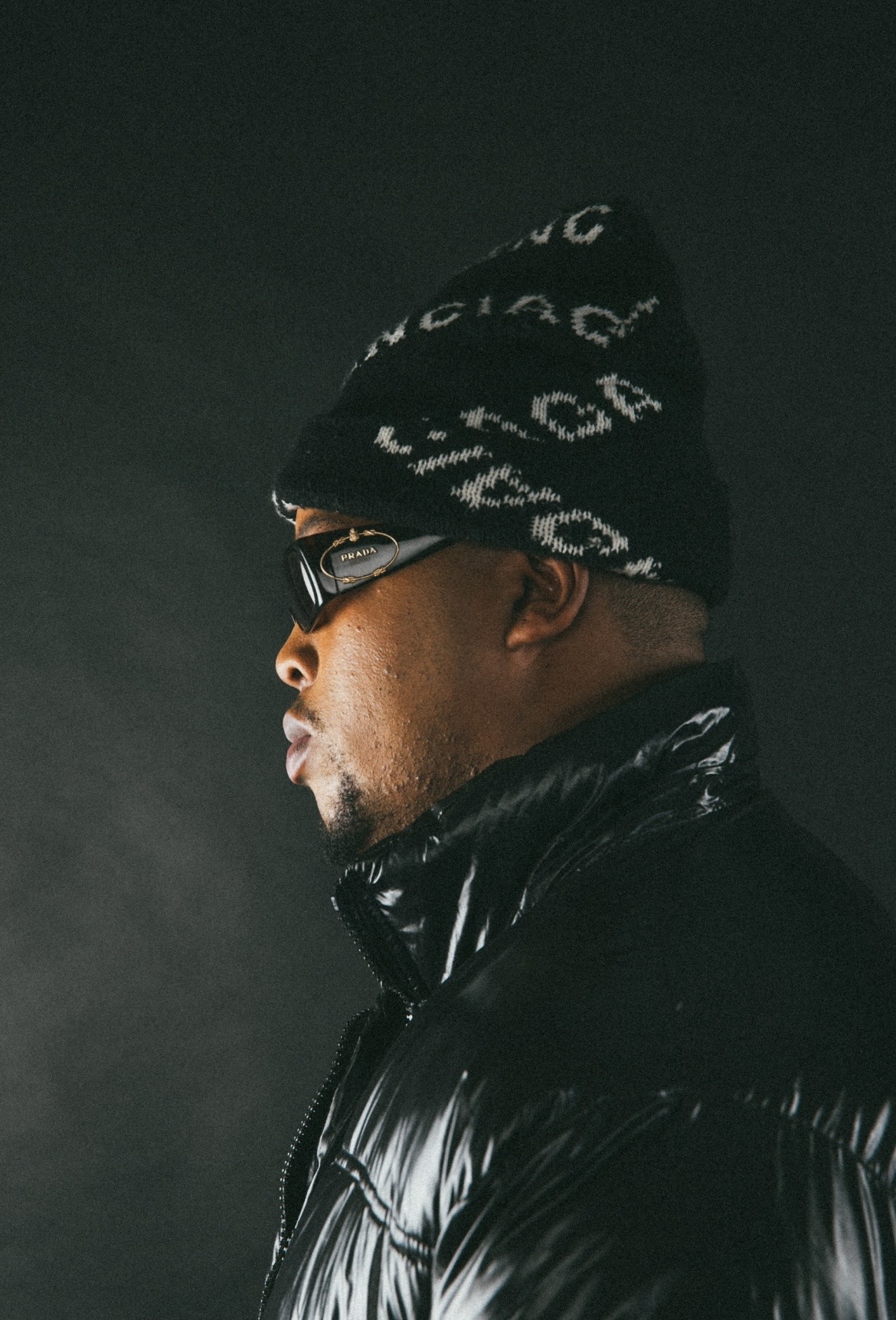
You’ve worked across music, fashion and culture for years. At what point did those worlds come together and become Desiré?
I’ve always believed that culture is created where creative disciplines intersect. Music influences fashion, fashion inspires design and hospitality shapes how people connect. None of those worlds exist in isolation.
Working across music, consulting with brands and attending Paris Fashion Week exposed me to experiences where every detail was intentional. The most memorable events weren’t simply beautiful. They created conversations, shifted perspectives and brought remarkable people together. Looking back at South Africa, I realised we had extraordinary talent but very few spaces designed to unite those worlds at the highest level. Desiré became my response. It’s a cultural platform where creativity becomes the common language and where relationships, ideas and opportunities can emerge naturally.
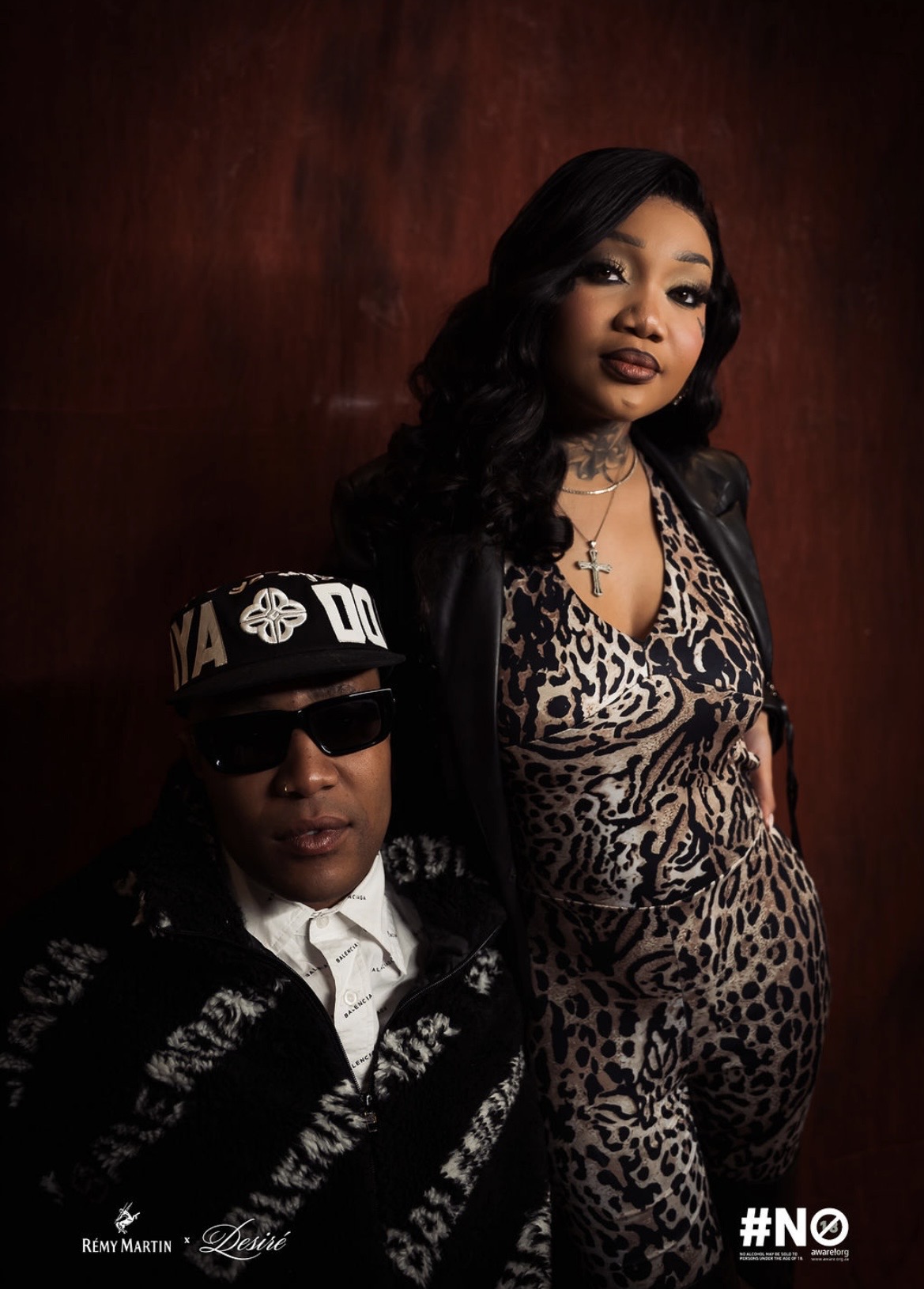
Desiré arrives at a time when conversations around African creativity are gaining global momentum. What did you feel was still missing from the local landscape?
South Africa has never lacked creativity. We’re one of the most culturally rich countries in the world. What we’ve often lacked are spaces where those creative communities can genuinely converge.
I wanted to create an environment where a fashion designer could sit beside a musician, where an entrepreneur could discover an artist and where premium brands could engage with culture in a way that feels authentic rather than commercial. At the heart of that was also a desire to redefine luxury. I don’t believe luxury is exclusivity for the sake of exclusivity. It’s access to extraordinary people, exceptional craftsmanship, thoughtful design and unforgettable experiences. For me, luxury is culture, not consumption.
Luxury means something different to every generation. What does it represent to you today?
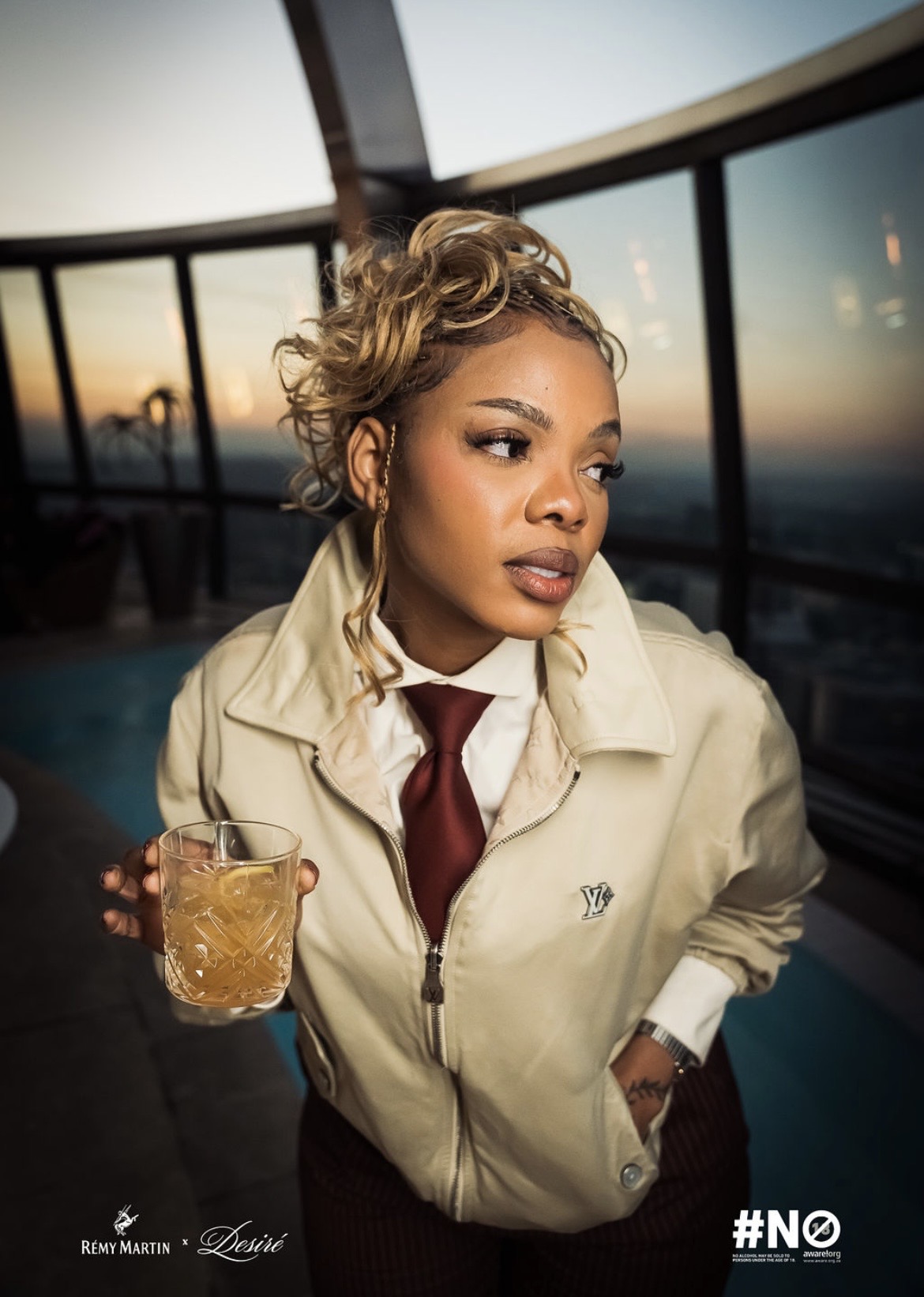
Luxury isn’t about showing people what you own. It’s about showing them what you value. It’s found in time, intention, authenticity, craftsmanship and experiences that leave a lasting emotional impression.
At Desiré, luxury isn’t measured by extravagance but by the care behind every detail, from the music and fashion to the conversations shared around the table. If people leave feeling inspired, connected and creatively energised, then we’ve created something truly luxurious.
Fashion was woven into every aspect of the experience. Why was it important for it to play such a central role?
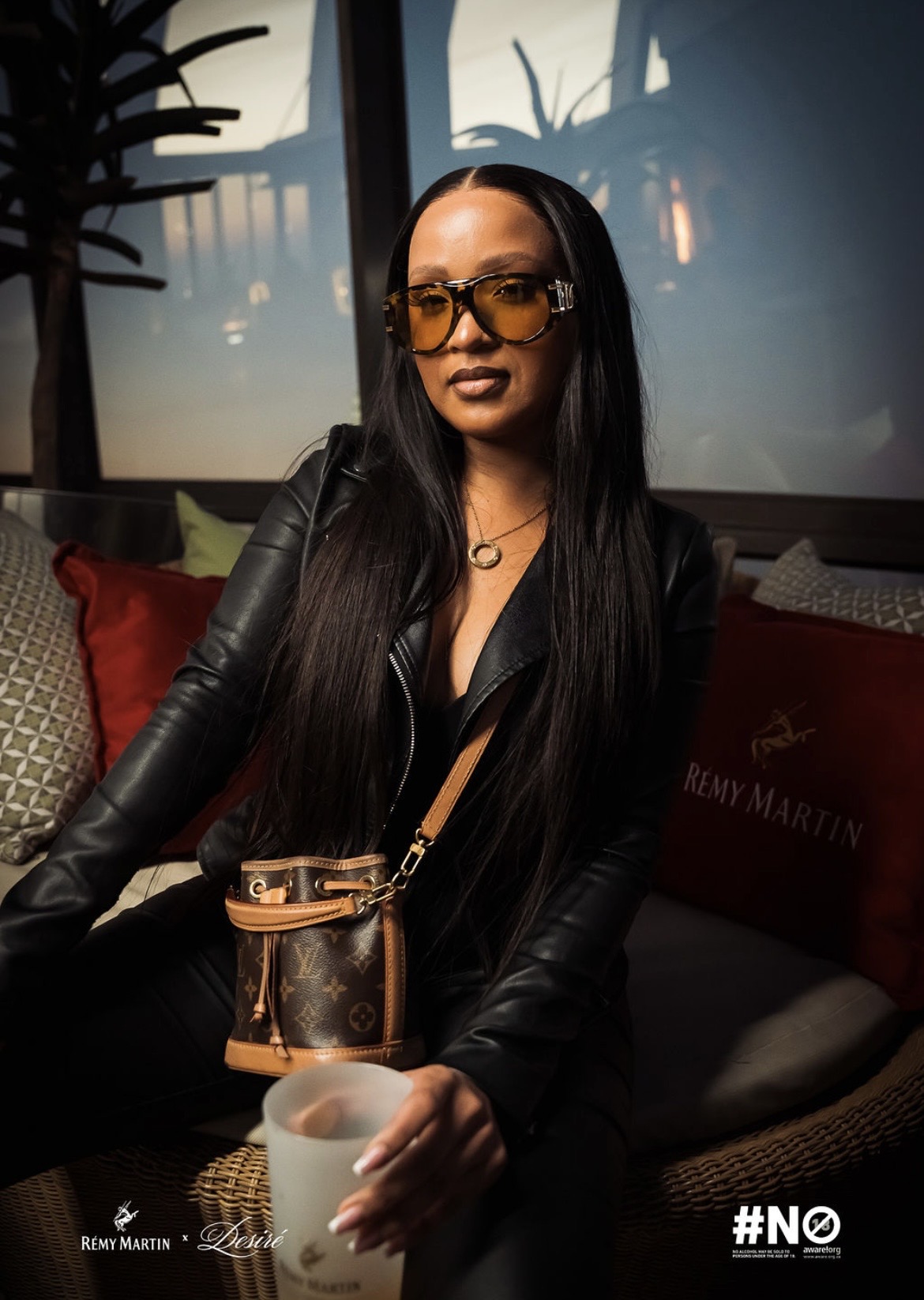
Fashion was fundamental to the entire concept because it’s often the first language we speak before saying a single word. It communicates identity, confidence and culture instantly.
I wanted fashion to become the visual thread connecting every creative discipline throughout the experience rather than existing as decoration. When fashion, music, architecture, food, art and hospitality are curated with equal importance, something powerful happens. People stop attending an event and begin experiencing a culture.
When you looked around the room on launch night, what made you feel Desiré had achieved what you set out to create?
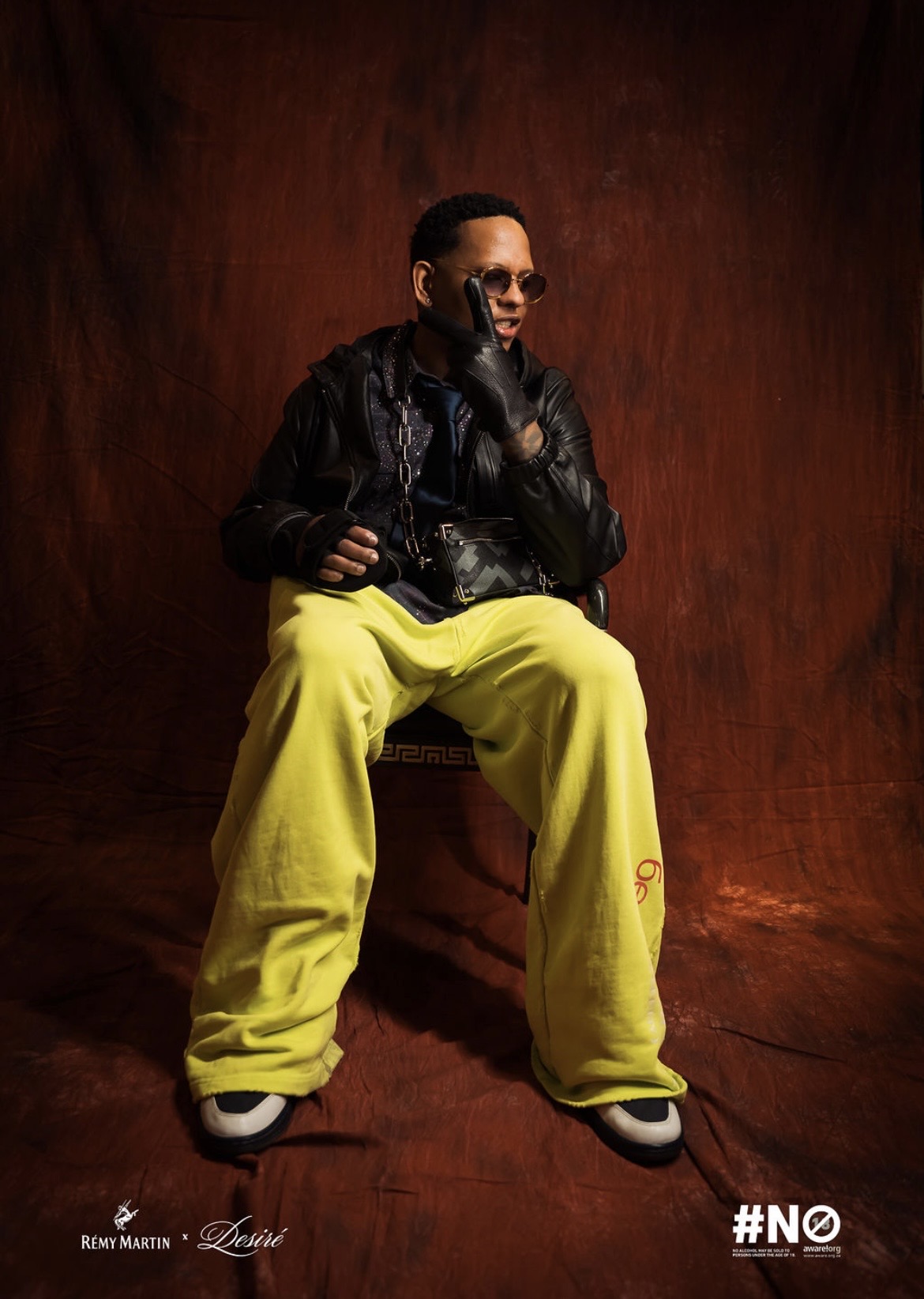
The biggest success wasn’t attendance. It was connection.
Watching conversations unfold between people who had never met but immediately recognised shared values was incredibly rewarding. Established industry leaders spent genuine time with emerging creatives, while brand partners became part of the experience instead of simply activating sponsorships. Hearing guests say, “South Africa needed something like this,” confirmed that Desiré was resonating in exactly the way we’d hoped.
Rémy Martin played a key role in Desiré’s debut. What made it the right partner for the platform, and how do you approach collaborations while ensuring Desiré maintains its creative identity?
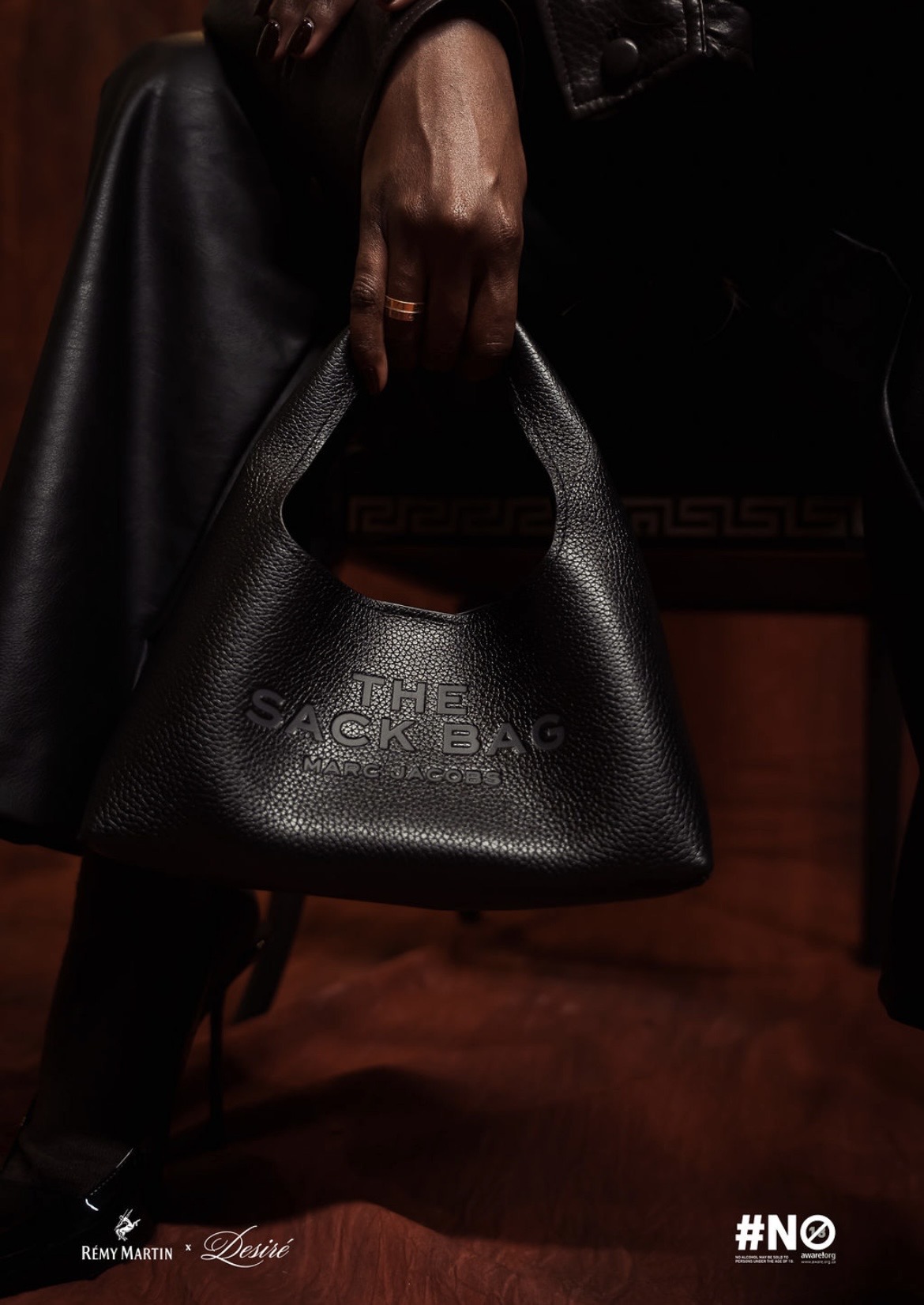
From the beginning, I was intentional about partnering with brands that genuinely understand craftsmanship, heritage and culture. Rémy Martin was a natural fit because those values are deeply embedded in everything they do. What made the partnership meaningful wasn’t simply product placement. It was a shared appreciation for creating elevated experiences.
When I collaborate with any luxury brand, my approach is always the same: the partnership should enhance the experience rather than define it. Desiré’s creative direction is never built around a sponsor. Instead, I look for brands whose identity complements the platform’s vision, allowing every collaboration to feel authentic and seamlessly integrated.
Ultimately, I want every partnership to add value to the people in the room. If guests leave remembering how they felt rather than what they were marketed to, then we’ve created something truly successful.
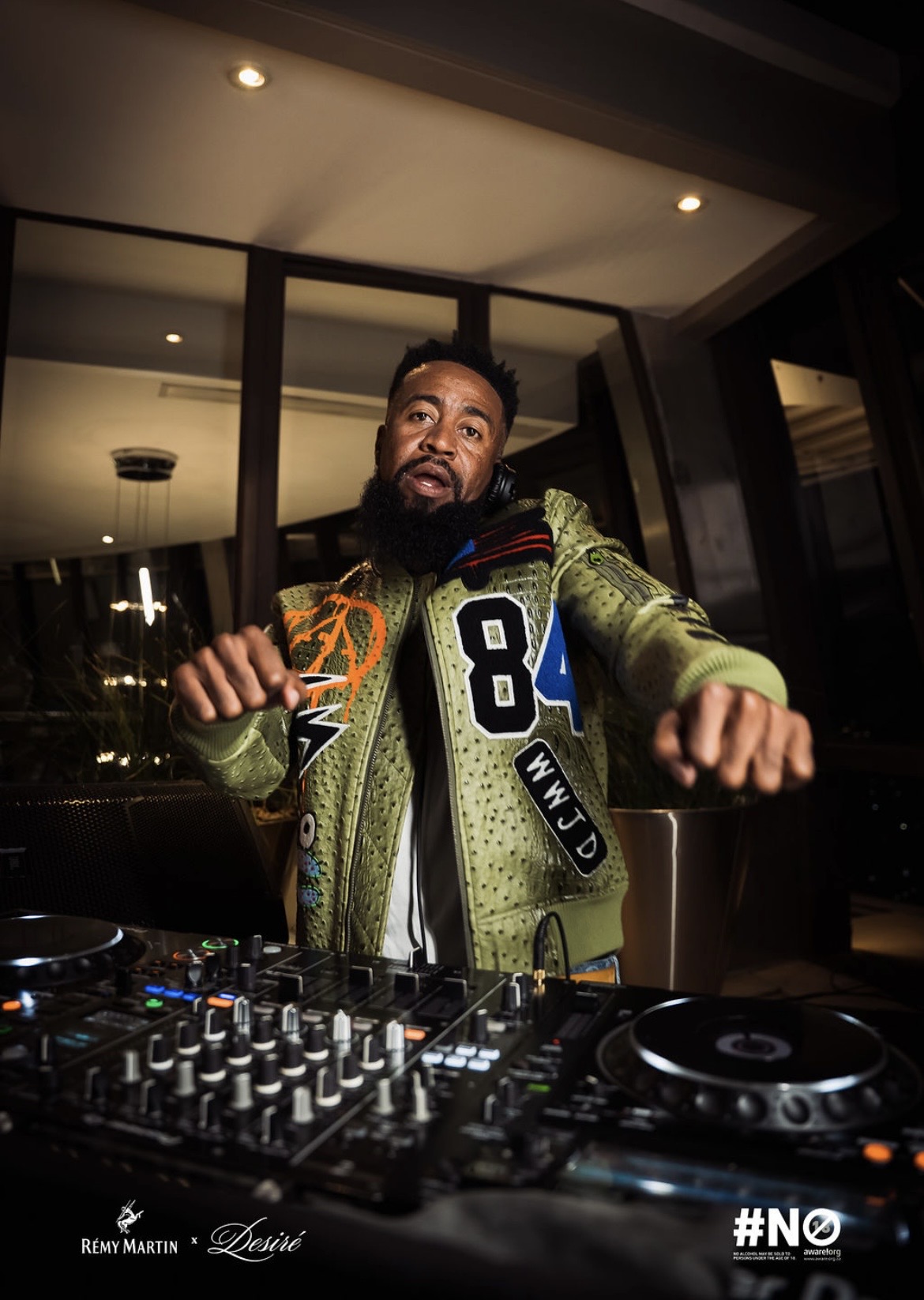
Every first chapter reveals something unexpected. What did launching Desiré teach you about the appetite for experiences like this?
It reinforced something I’d always believed. People are craving experiences with depth, intention and meaning.
Guests responded not only to the aesthetics but to the conversations, the relationships and the sense of community that developed throughout the evening. That reminded me we’re building something much bigger than an event. We’re creating a platform where culture has room to grow.
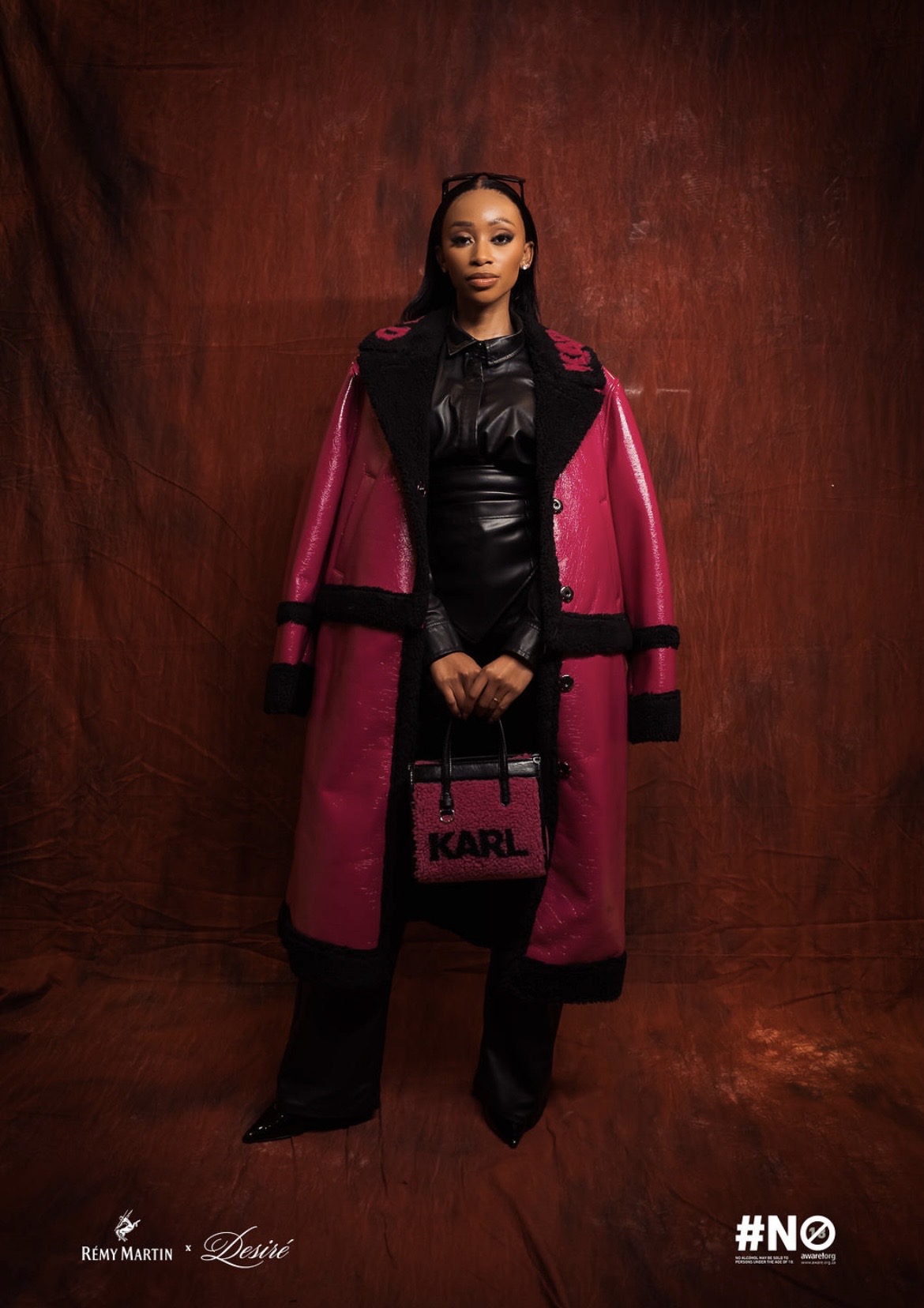
As Desiré evolves, what kind of legacy do you hope it leaves on African luxury?
This first edition was never the destination. It was simply the introduction.
My vision is for Desiré to become one of Africa’s leading luxury cultural platforms through international collaborations, destination experiences, fashion partnerships and creative exchanges that connect South Africa with the world. More importantly, I want it to help reshape the global perception of African luxury.
For too long we’ve looked elsewhere for validation, yet some of the world’s most compelling creativity already exists here. If Desiré can position South Africa as a global cultural capital, create opportunities for local creatives and inspire a new generation to believe African luxury can lead rather than follow, then we’ll have achieved something truly meaningful. Ultimately, the future of luxury won’t be defined by what we consume. It will be defined by the culture we create together.