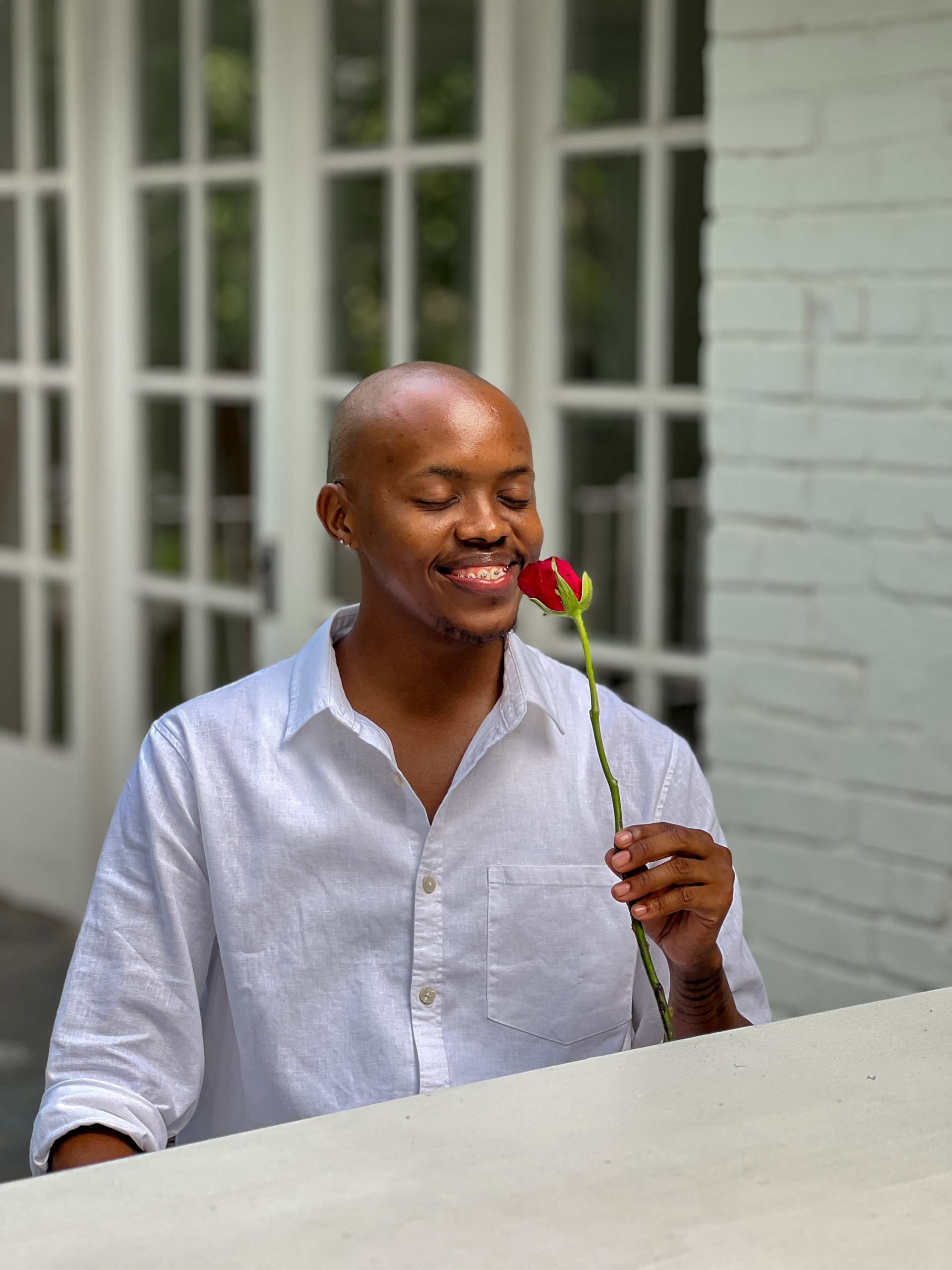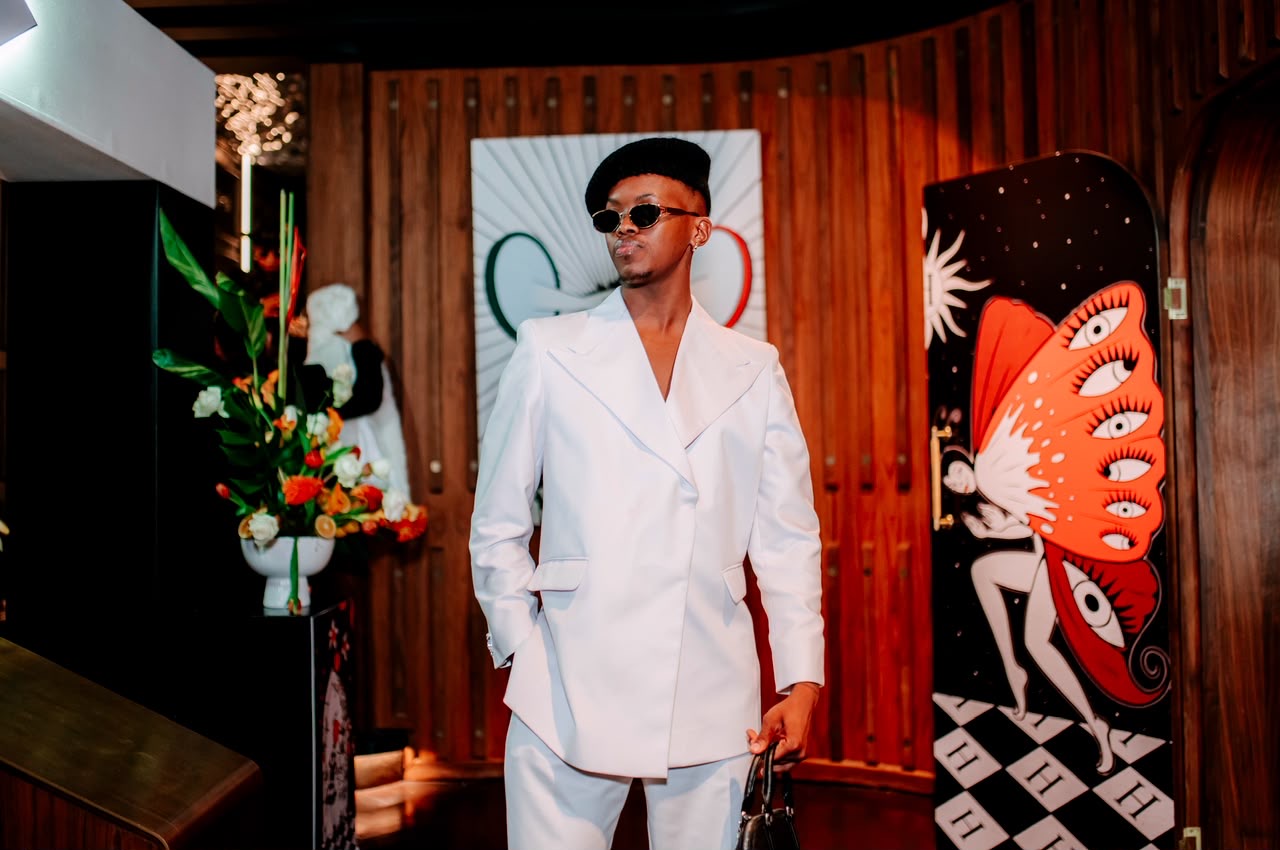
Few creators have captured the humour, resilience, and everyday realities of South African youth quite like Titus Mokou. Known to millions as his beloved alter ego, Mologadi, the Limpopo-born digital creator has built a loyal audience through relatable storytelling, sharp wit, and an uncanny ability to turn ordinary moments into cultural touchpoints.
What began as a creative outlet has grown into a thriving career spanning content creation, radio, brand partnerships, and entertainment. Yet beyond the viral skits and social media success lies a storyteller deeply connected to the experiences of his generation. Whether he’s making audiences laugh, championing authenticity, or building opportunities through the creator economy, Titus represents a generation rewriting the rules of success on its own terms.
In this Youth Month spotlight, he reflects on what “making it” really means, the conversations young people are finally having honestly, and the legacy Gen Z hopes to leave behind.
1. What’s something people constantly get wrong about young people today?
I think people underestimate how hard young people are actually trying. They think we’ve got it easy, and that’s not the case. The economy is tough, jobs are scarce, and yet so many people my age are finding ways to make things work. Whether it’s content creation, side hustles, or small businesses, people are really trying.
2. What does “making it” look like for your generation now?
I think for a lot of young people, making it isn’t just about money anymore. It’s about being able to live comfortably, do work you genuinely enjoy, and have peace of mind. Obviously, money is important, but so is waking up and feeling happy with the life you chose and are building.
3. If your current era had a title, what would it be?
Contentment.
I’m in a season of my life where I’m genuinely content with where I am, how things are going, and the people I have around me. I feel like I’ve found my purpose and I’m living it every day, and that brings me so much fulfilment. I’m doing work that I truly enjoy, living in prayers I once prayed for, and God’s grace has been evident in every part of my journey. For me, that’s what making it looks like.
4. What’s one thing South African youth culture does better than anywhere else in the world? Put us on.
I think one thing South African youth do really well is turn our everyday lives into culture. Whether it’s music, fashion, dance, slang, or content online, we have a way of making things our own and getting the world to pay attention. We stay true to who we are, and that’s what makes it special. We are a force, and we are very influential.
5. Which conversation do you think young people are finally having honestly? (Could be mental health, identity, masculinity, money, burnout, relationships, anything. )
Burnout.
I think more young people are finally brave enough to admit when they’re struggling and not coping. For the longest time, there was this expectation that we always had to be strong and figure everything out on our own. Now we’re starting to have honest conversations about how exhausting that can be. More people are realising that it’s okay to rest, set boundaries, and ask for help when you need it.
6. What keeps you inspired when life, the country, or the industry feels exhausting?
My passion, the devotion I have, who I am, what I do, and the people around me. Nothing keeps me going more than knowing what I do will benefit me and my wellbeing tomorrow.
My family keeps me working hard because I want a better life for them. They are the reason I need to work even harder, especially my mom.
Who I am keeps me going because I have so much love for myself, and I want to reward myself with the best life possible.
7. You get one tweet to describe the state of South African youth right now. What are you tweeting? (Keep it real.)
We are creating a new generation and new norms for ourselves, and I am proud of us and the work we have done thus far to break past traumatic norms and stereotypes.
8. What’s the softest thing you’ve done for yourself this year?
I chose myself.
In the past, I used to put everyone and their needs before mine, but since the year started, I decided to choose myself and stand by it, and I have been doing exactly that. I reward myself without feeling bad about it, and I live to please myself only.
9. Which South African creative, movement, or moment feels important to this generation? (Could be music, fashion, activism, sport, art, or internet culture.)
The growth of the creator economy has been a big one for this generation. More young people are realising that their talents, stories, and ideas can actually become careers. It has opened up opportunities that many of us didn’t even know existed growing up.
10. What kind of future do you want young South Africans to inherit? (Big dreams only.)
I want them to inherit a future where they can dream freely and have the opportunities to turn those dreams into reality. A future where young people are supported, valued, and given the tools they need to succeed, regardless of where they come from.
I am passionate about this because my background never impacted the magnitude of my dreams or the kind of future I want to have.
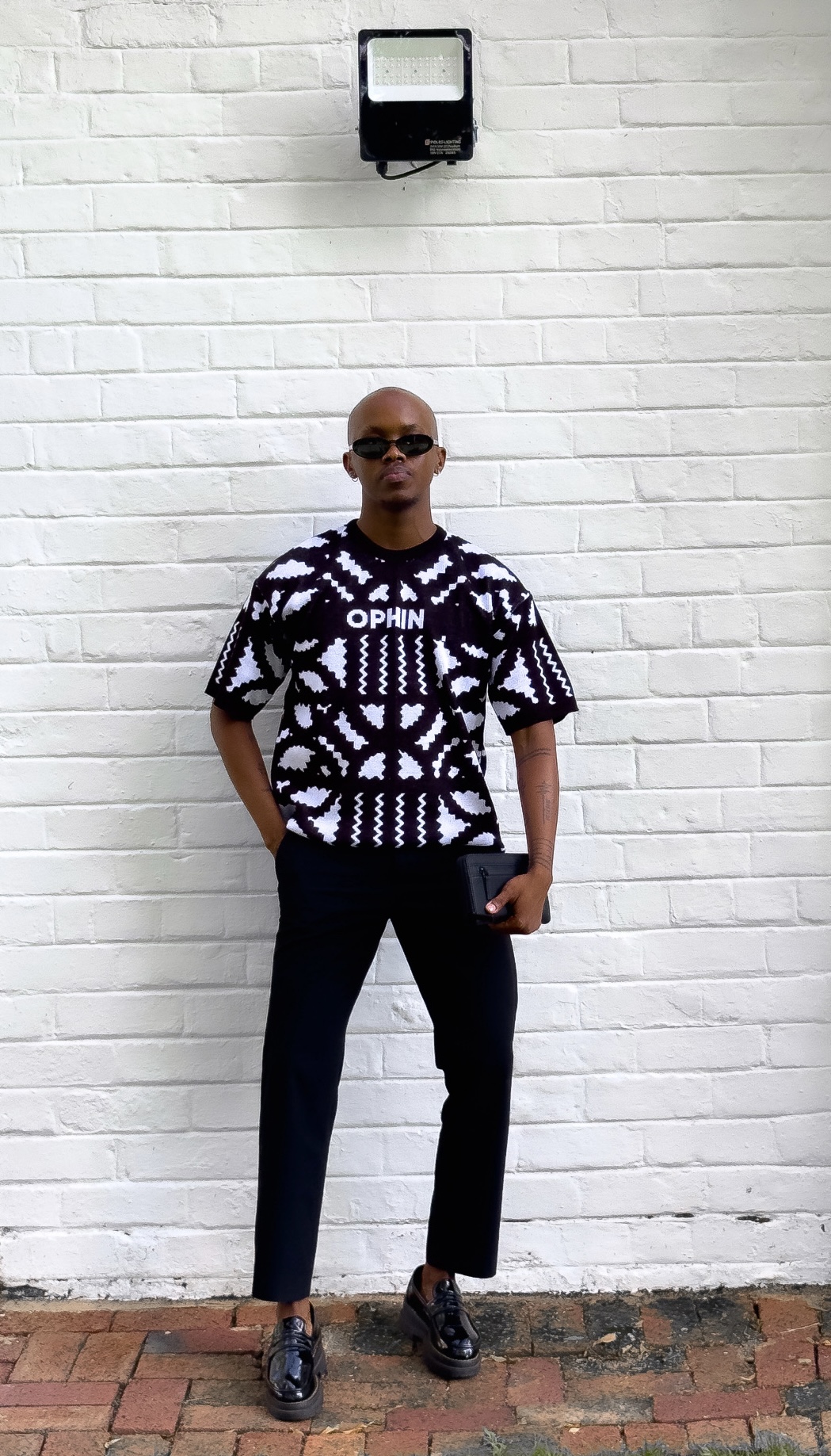
11. What’s one thing your younger self would be proud of today? (A little reflection never hurt anybody.)
He would be proud of the person I am today and for sticking to the path I always dreamed of taking. He would be proud that I followed my passion and did what I love. He would be proud that I went against all odds and endured the bullying while continuing to pursue what I absolutely love.
12. Previdar celebrates style, culture, and impact. What do you think your generation’s legacy will be?
I think our generation’s legacy will be showing that influence is about more than just being seen. We care about authenticity, community, and creating meaningful impact. We’re proving that you can use your platform and your voice to create real opportunities for yourself and others.