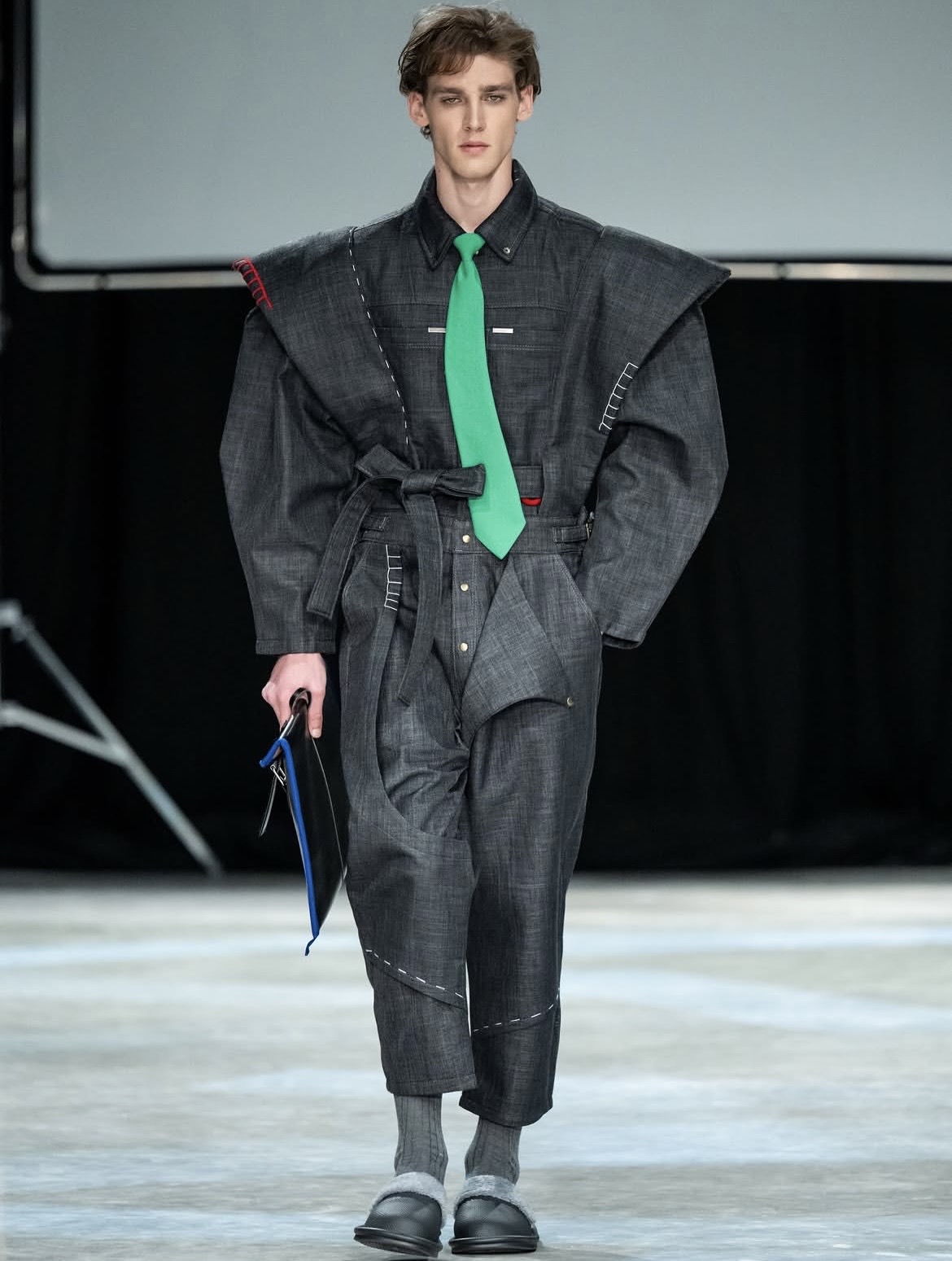
There is something quietly powerful about a comeback. Not loud, not desperate, but deliberate. That was the energy surrounding South African Fashion Week (SAFW) Spring/Summer 2026, a return that felt less like a reset and more like a reintroduction. And if fashion is anything, it is memory, identity, and reinvention stitched into fabric.
This season, SAFW arrived with intention, beginning not on the runway, but with the audience. Under the dress code “Nothing New”, fashion lovers were invited to reimagine their own wardrobes. It was a subtle but powerful call to action, encouraging guests to revisit, restyle, and reinterpret pieces they already owned. In a space often driven by newness, this shift towards sustainability felt both refreshing and necessary. It set the tone for a week that would continuously return to the idea of conscious creation.
Hosted primarily at VRTUOSUS in Dunkeld West, the hybrid format blended physical showcases with digital presentations, signalling a forward-thinking approach to accessibility. Inside, the collections carried that same sense of duality. There was nostalgia, but also progression. Familiar silhouettes reimagined with sharper intent.
But before the main venue even came into focus, SAFW opened on an entirely different note.
Day one began at The Cirk in Cresta Shopping Centre, where Gert-Johan Coetzee presented “Behind The Crimson Door”, a showcase that stood apart from the rest of the week in both setting and execution. This was not a traditional runway. It was theatre. A fully realised performance where fashion moved through narrative, with actors embodying characters draped in Coetzee’s signature, intricately beaded gowns. The change in venue only heightened the experience, creating a sense of occasion that felt immersive and, in many ways, unprecedented within the SAFW space. It was indulgent, cinematic, and intentionally dramatic.
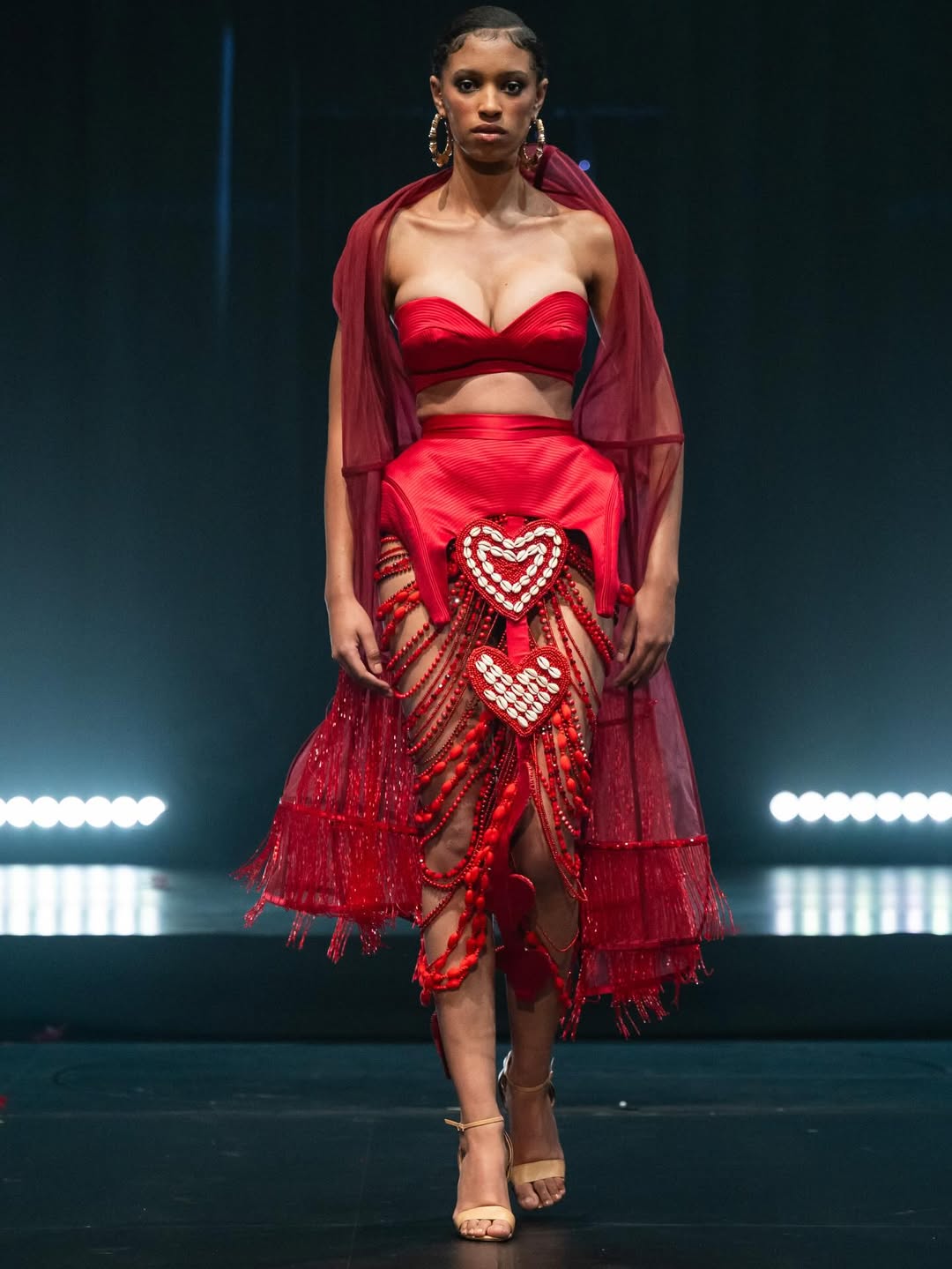
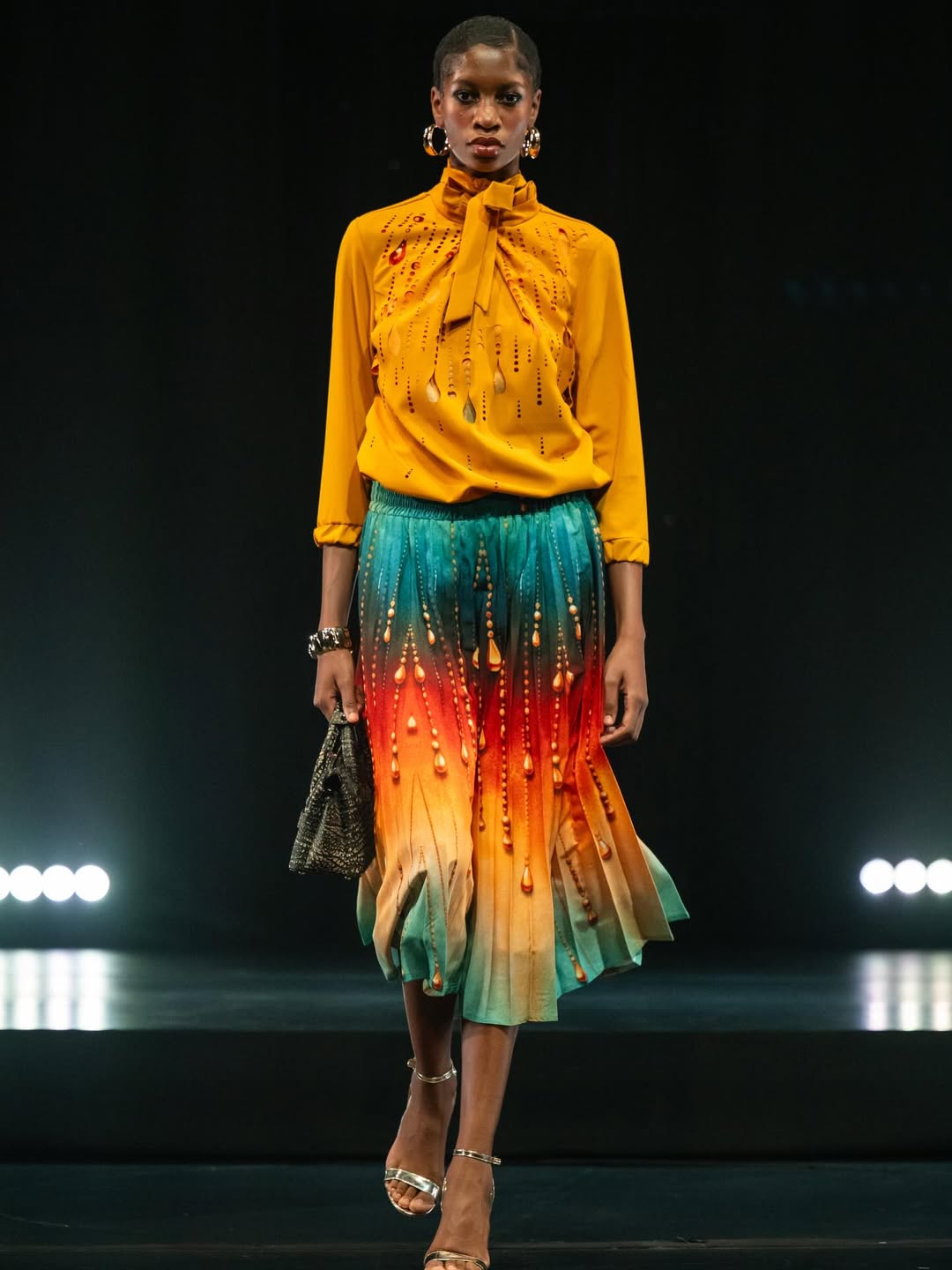
As the week transitioned back to VRTUOSUS, the energy shifted into a more familiar rhythm, but the momentum did not drop.
Designers leaned into contrasts. Labels like Helon Melon and Naked Ape delivered collections that felt both grounded and expressive. Monochrome palettes dominated, but they were anything but simple. Texture carried depth, while structure created tension. Then came moments of release through colour, reminding us that South African fashion thrives in its boldness.
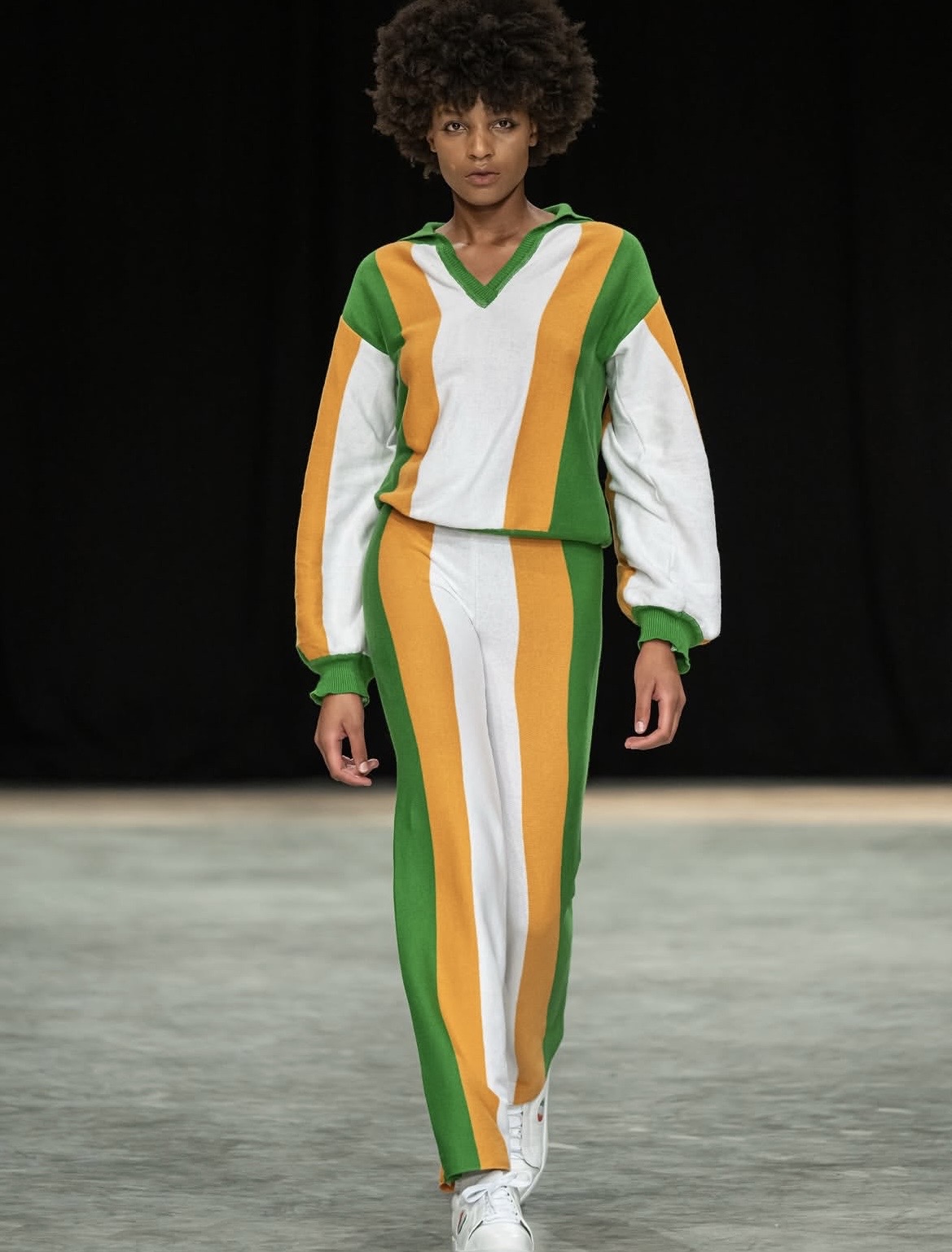
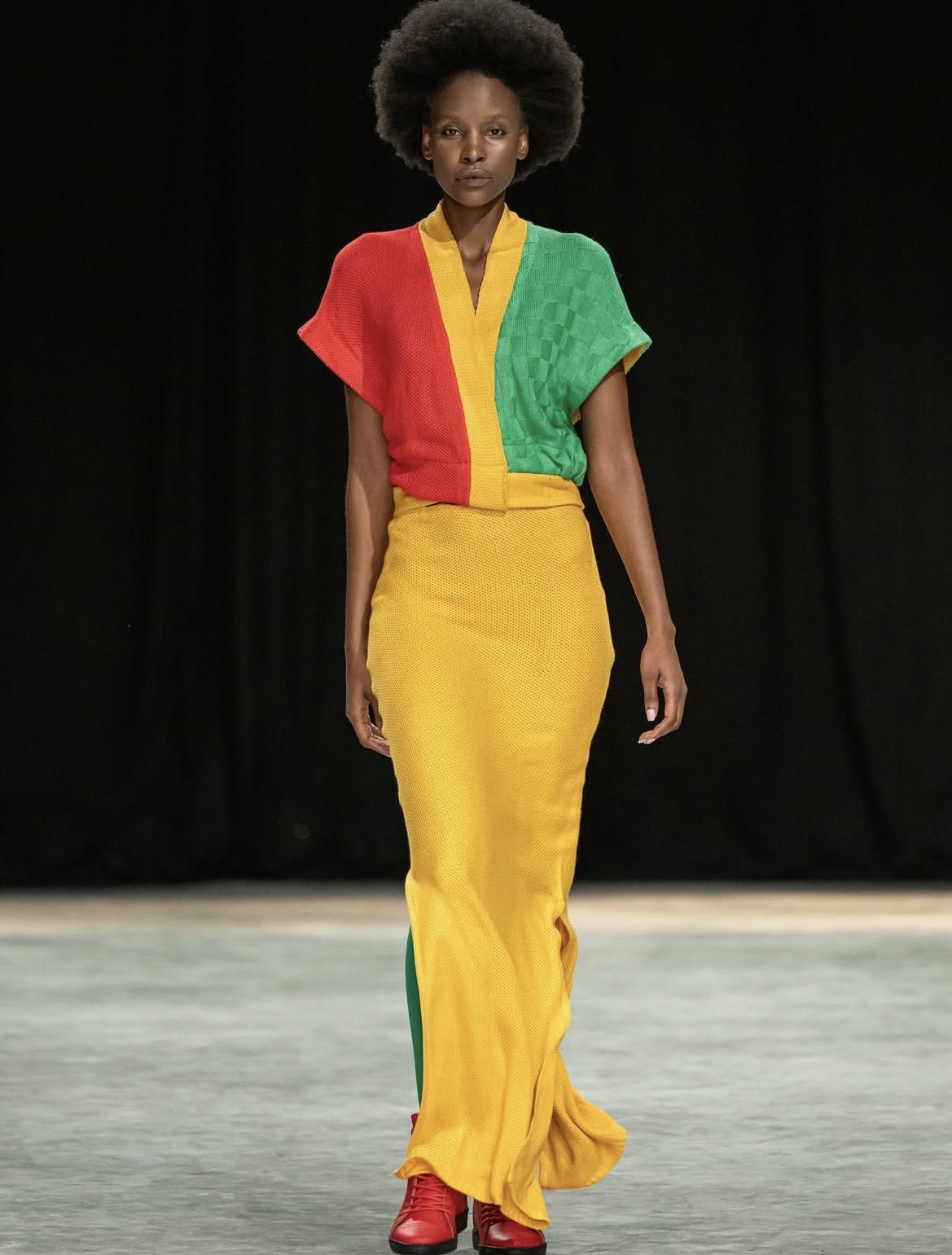
By day three, the diversity of design language became even more apparent. Irene Makhavhu Design explored form with elegance and intention, while Sinchui injected a youthful, streetwise perspective into the lineup. It was a seamless coexistence of different worlds, all speaking to the same evolving industry.
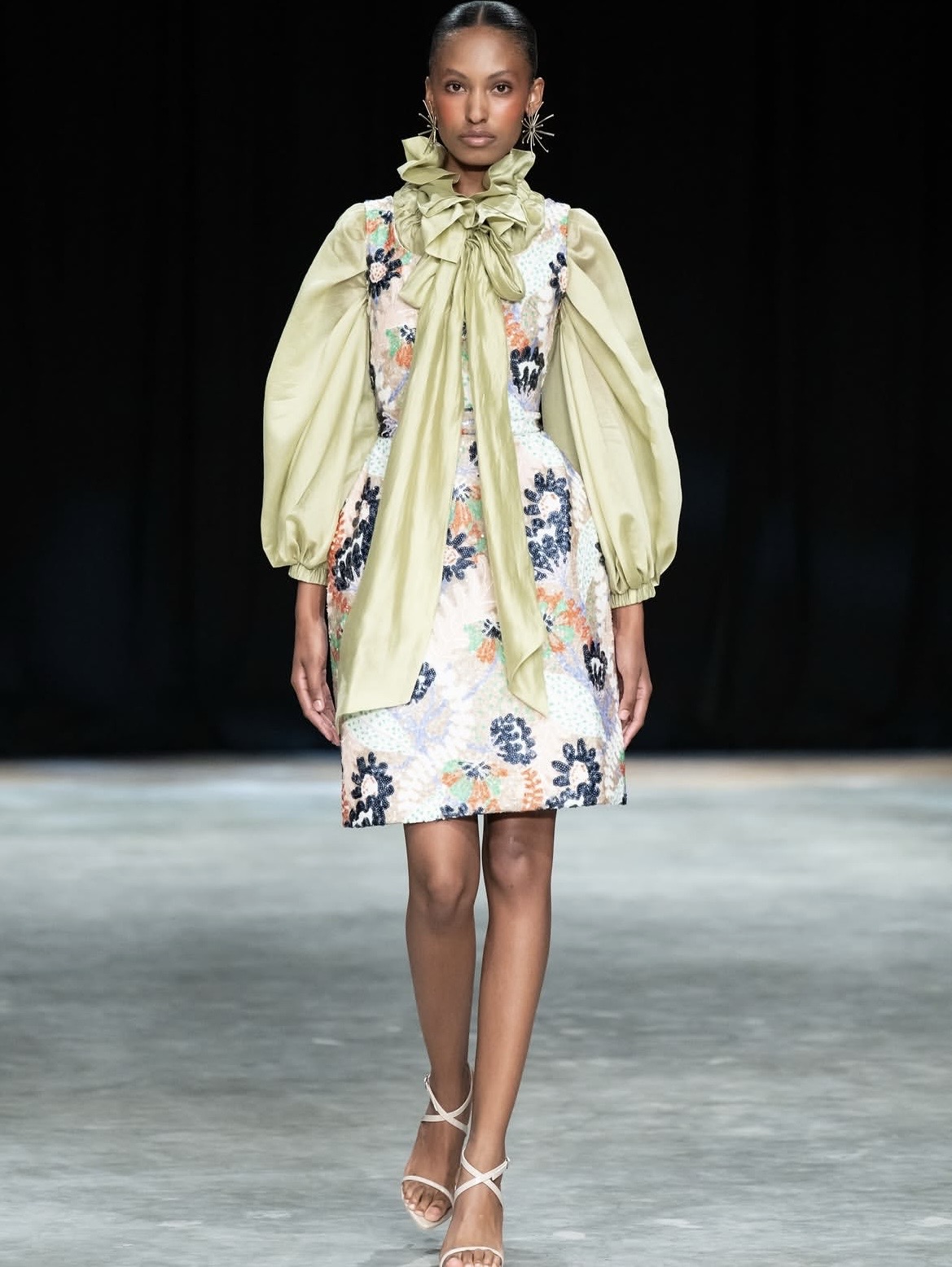
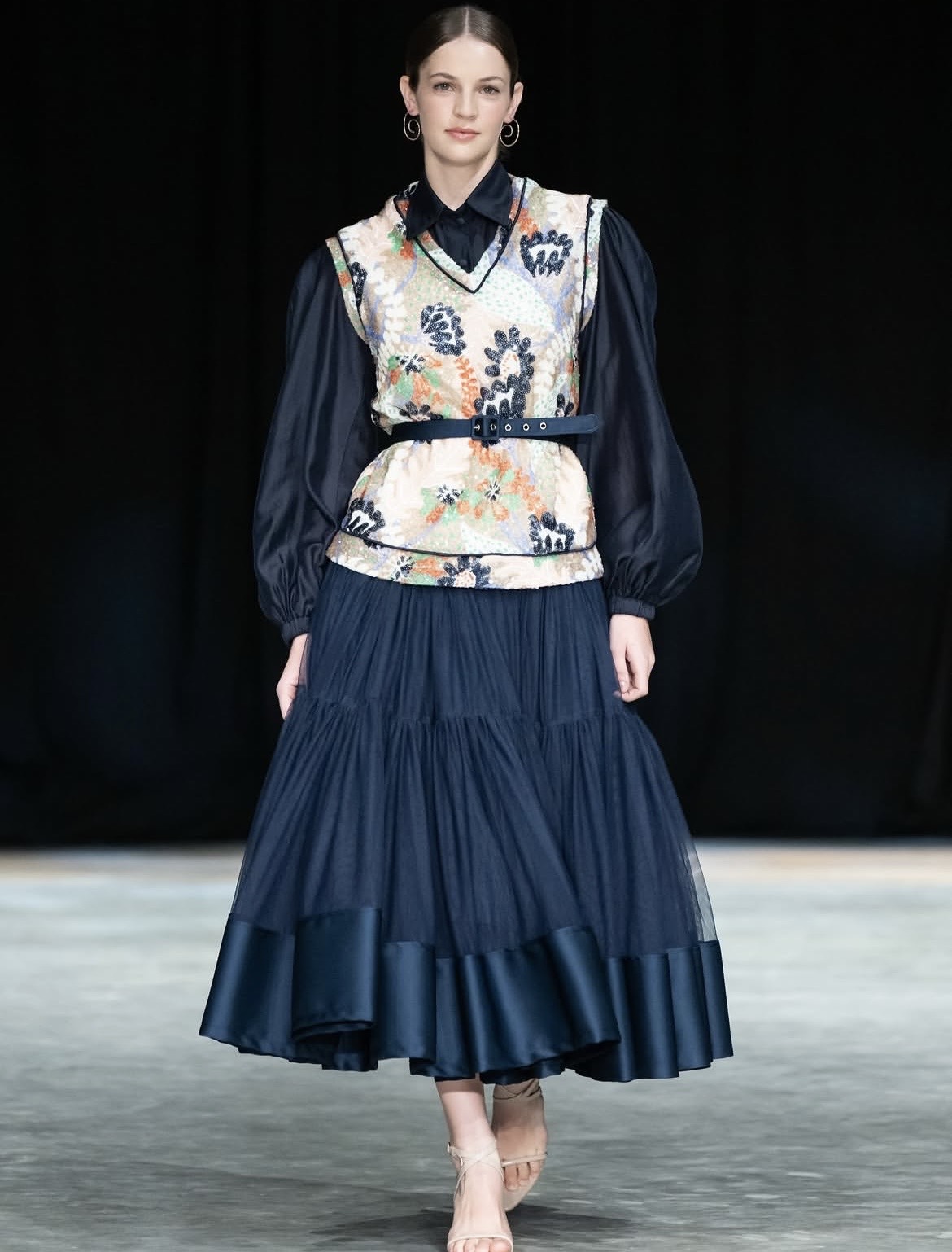
The finale leaned into collaboration and immersion. House of Ole merged visual art, music, and fashion into a multidisciplinary showcase that blurred the lines between presentation and experience. It felt expansive, like fashion refusing to exist in isolation.
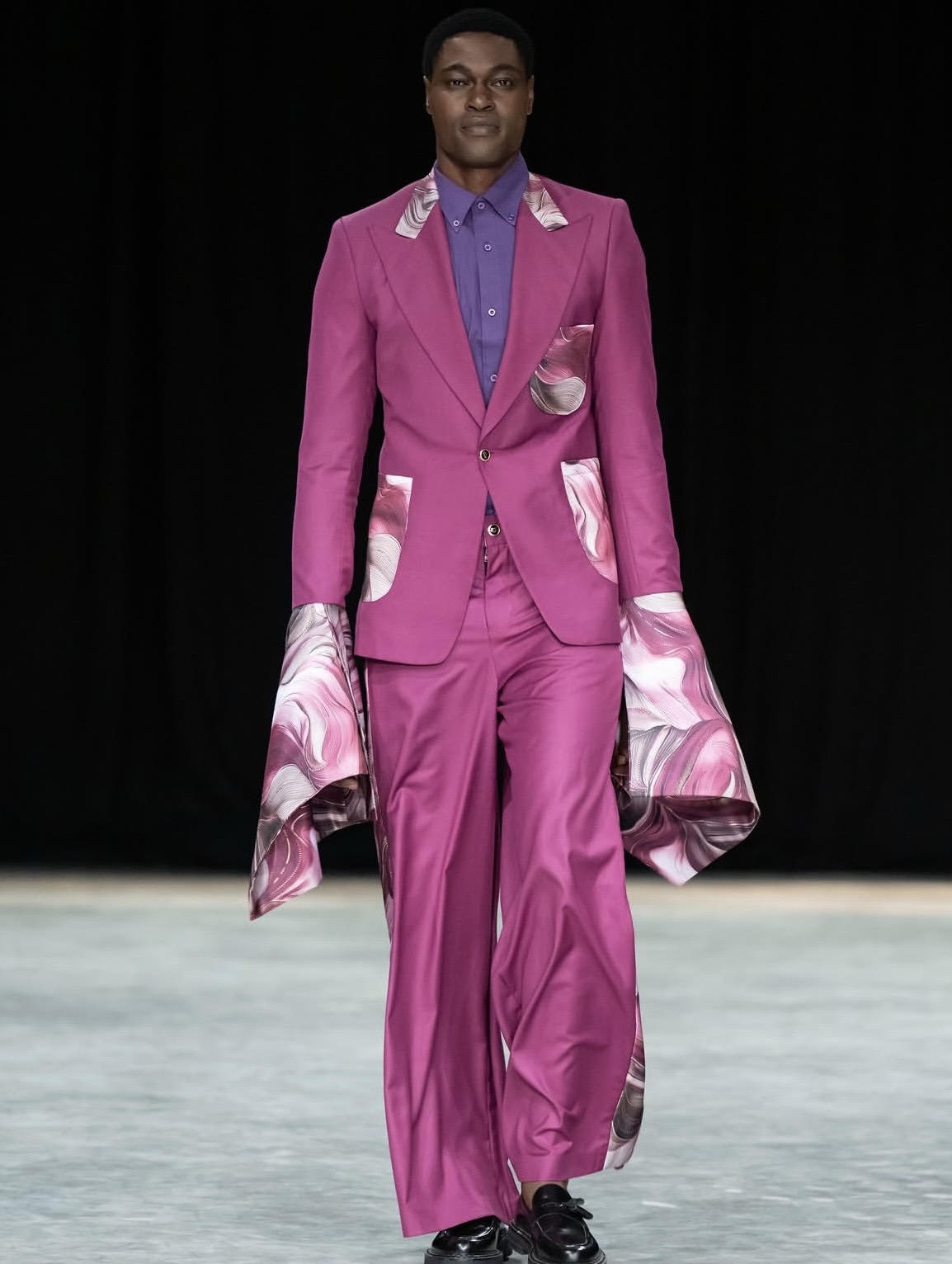
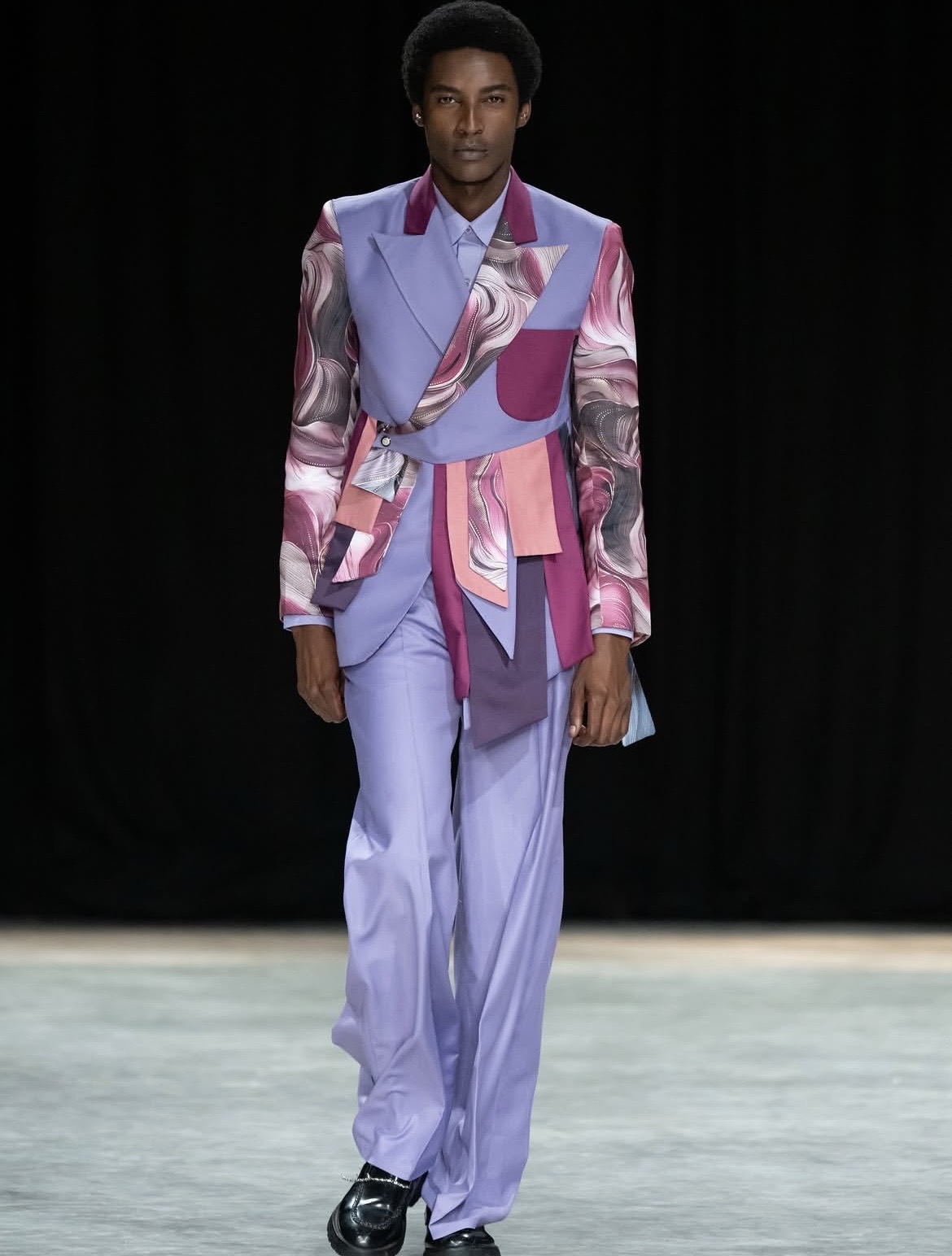
The Scouting Menswear Competition added a forward-looking edge to the closing. Dorcas Mutombu of Emelia D emerged as the winner, a moment that underscored the importance of nurturing new voices within the industry. Finalists including Anunes and On Duty Jeans showcased the expanding language of menswear, where tailoring meets functionality with intention.

Across the board, certain trends became impossible to ignore. There was a clear nod to ‘80s maximalism, reinterpreted with restraint. Chocolate brown emerged as a defining colour story, rich and quietly dominant. Cinched waists and structured tailoring reinforced a return to shape, to control, to deliberate design.
Of course, no fashion week exists without its growing pains. The venue, while ambitious in concept, did not always deliver in execution. Lighting, particularly on the carpet where guests are meant to capture and document their looks, felt underwhelming. In a space where image-making is integral, this detail slightly disrupted the overall experience.
Still, this season was never about perfection. It was about return, recalibration, and resilience.
SA Fashion Week SS26 did not just mark a comeback. It reminded us why the platform matters. It created space for designers to experiment, for audiences to engage more consciously, and for South African fashion to continue defining itself on its own terms. And that, more than anything, is what made it exciting.