
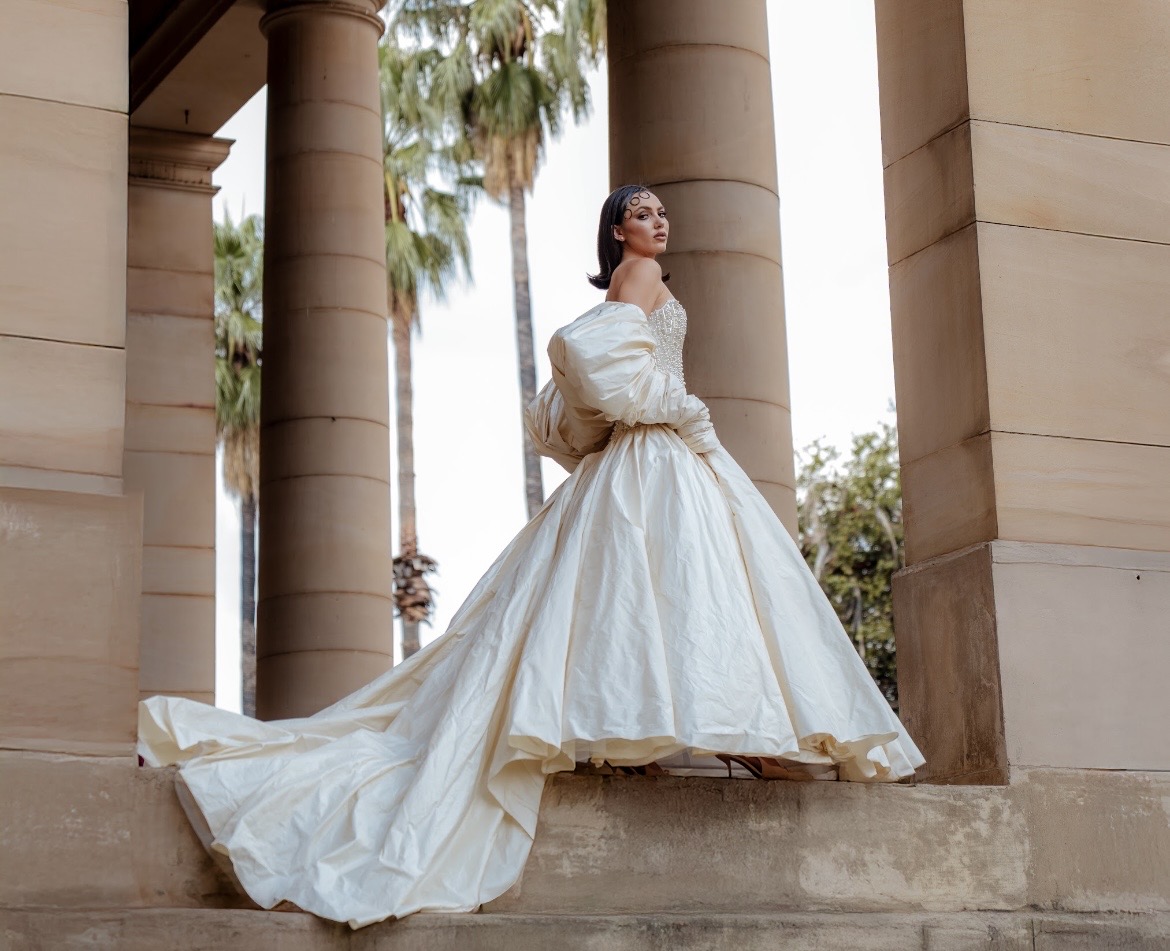
With The Living Thread, William De Beer transforms grief, love and legacy into a couture bridal language that feels both intimate and expansive.
For William De Beer, fashion was never just about clothes. It was about feeling. Memory. Obsession, even.
Long before Willet Designs Couture existed, there was a young boy paging straight to the back of magazines, skipping everything in between just to land on red carpet moments. There were films on repeat, like 101 Dalmatians, where costume and character blurred into something unforgettable. Those early fixations did not just shape a taste level, they embedded fashion into his identity.
“I would always find myself paging to the back of a magazine to see the red carpet coverage,” he reflects.
-
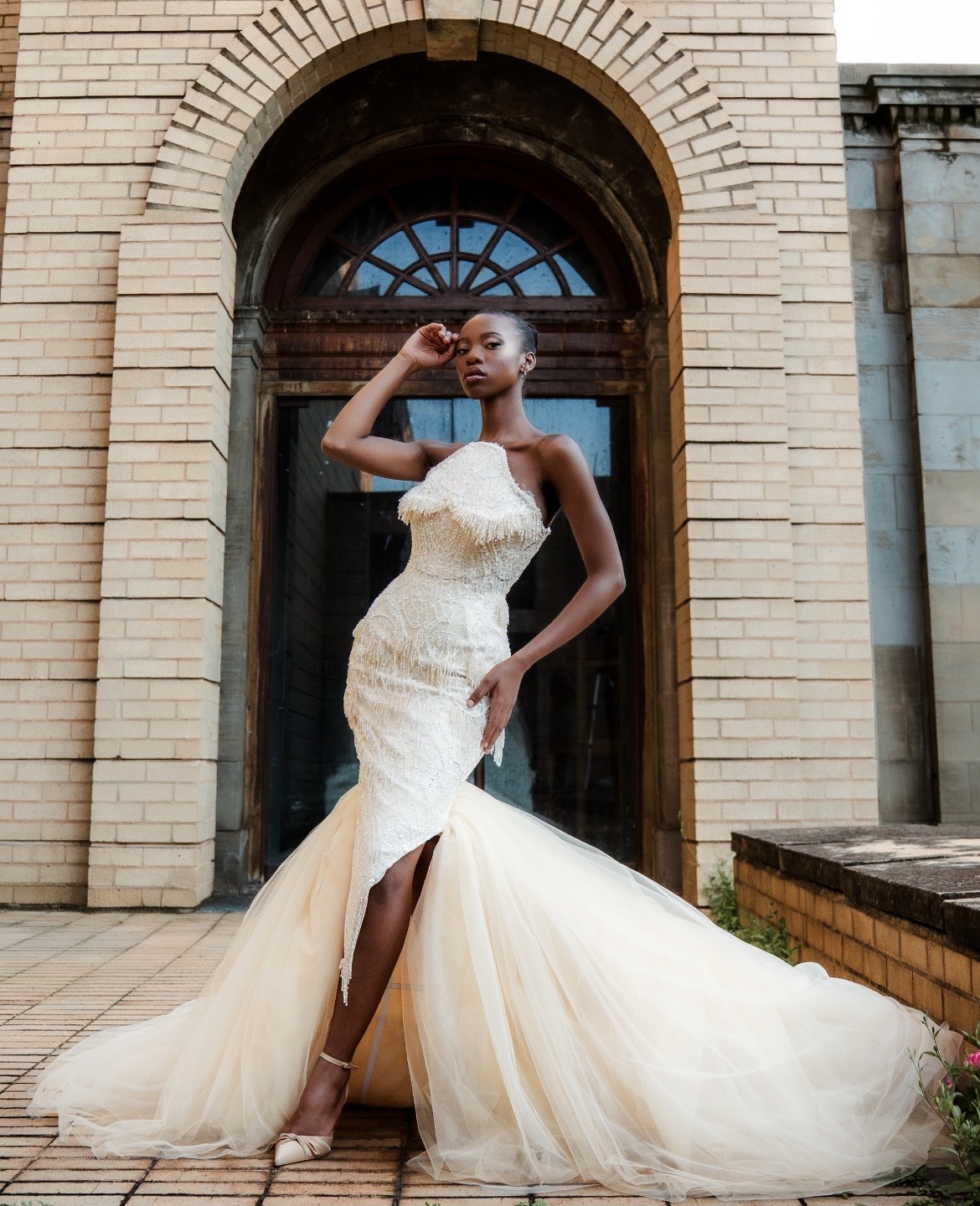
- Willet Designs Couture | Captured by
@pieterjohanphoto @pj.hougaard
“I like to joke and say I have no other skills,” he adds, but there is something deeper beneath the humour. Willet Designs Couture was never a casual pursuit. It was the first step towards a life he had already imagined for himself.
What began as a personal vision has since expanded into something far more layered. A brand shaped not only by its founder, but by the people who wear it, work with it and trust it with their most intimate moments. It is evolving in real time.
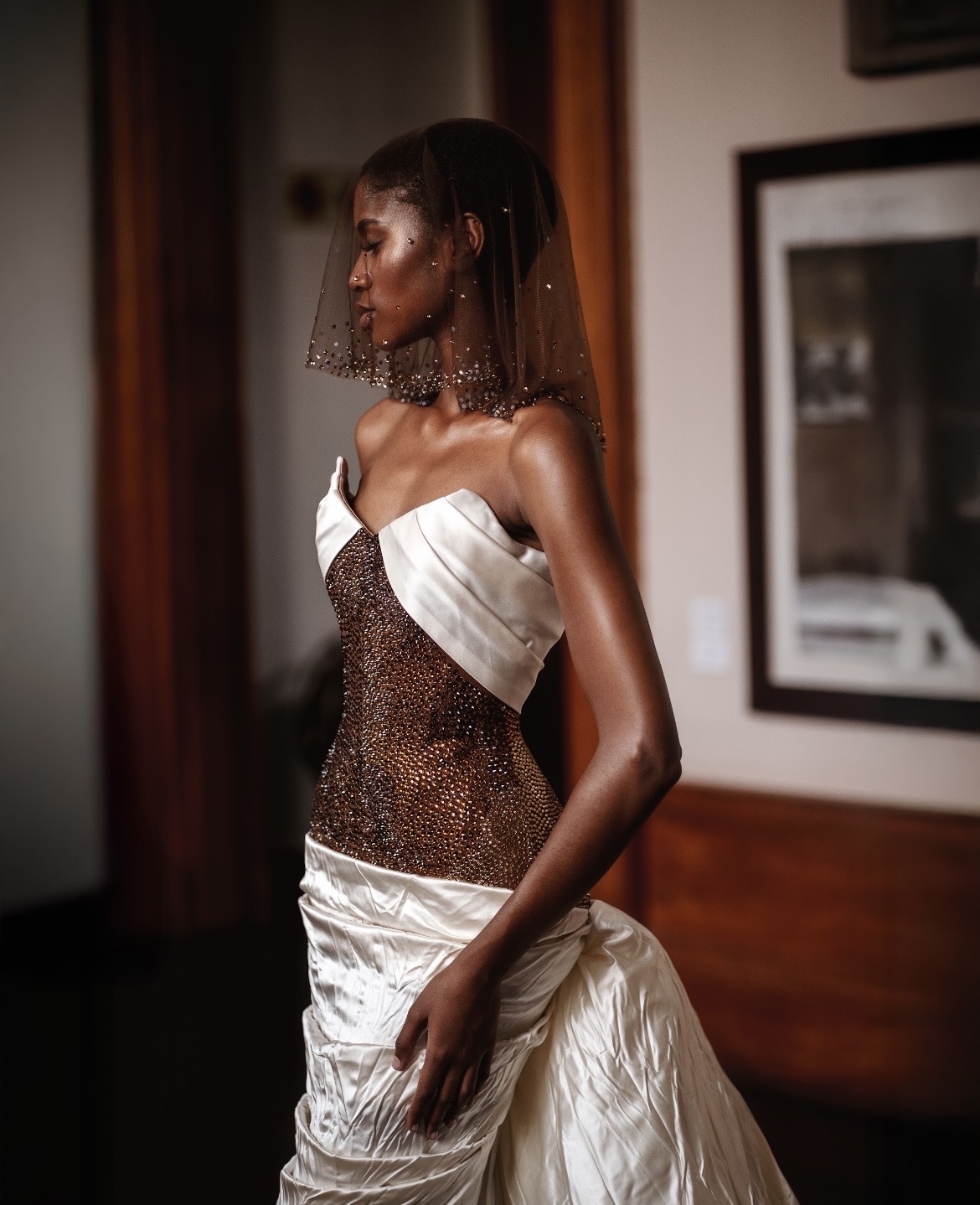
@pieterjohanphoto @pj.hougaard
“The vision that I have for the brand is ever-evolving,” he says. “It is a testament to the people who work with me and the clients we have.”
And with The Living Thread, that evolution becomes deeply personal.
Presented as the brand’s inaugural couture showcase, the collection is framed as a love letter to those who have passed on, a meditation on absence, presence and the quiet ways in which people continue to live within us.
“As not many people know, we framed this collection as a love letter to the people who have passed,” he shares.
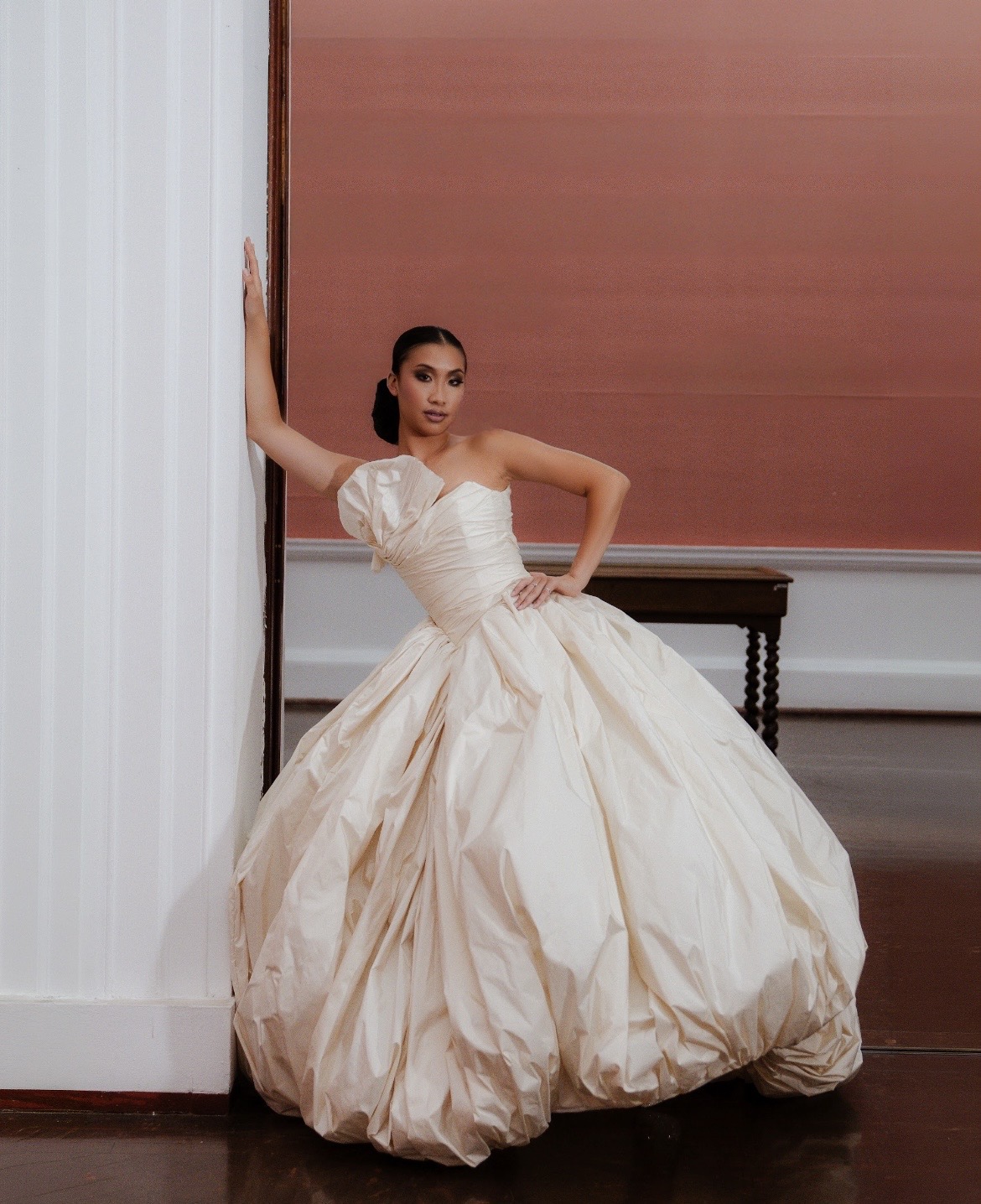
@pieterjohanphoto @pj.hougaard
To arrive at this point required a level of introspection that felt both necessary and unfamiliar. Drawing from his own experiences of grief, pain and loss, De Beer allowed vulnerability to take the lead, transforming emotion into something tangible and, ultimately, beautiful.
“For the first time I allowed my vulnerability to be transformed into something truly beautiful.”
That emotional depth is inseparable from his work with brides. Designing within the bridal space often means stepping into deeply personal worlds, where joy and sorrow exist side by side. Through months of fittings and conversations, relationships form that extend far beyond the garment itself.
“Working with clients places you directly in their world,” he says. “You deal with their loss and sadness, but also the joy that comes with momentous occasions.”
@pieterjohanphoto @pj.hougaard
Translating such layered emotion into couture is less about process and more about instinct. His approach is guided by an internal language, one rooted in spirituality, imagination and feeling.
“My designs are a very big manifestation of my psyche, spirituality, prayers and dreams,” he explains.
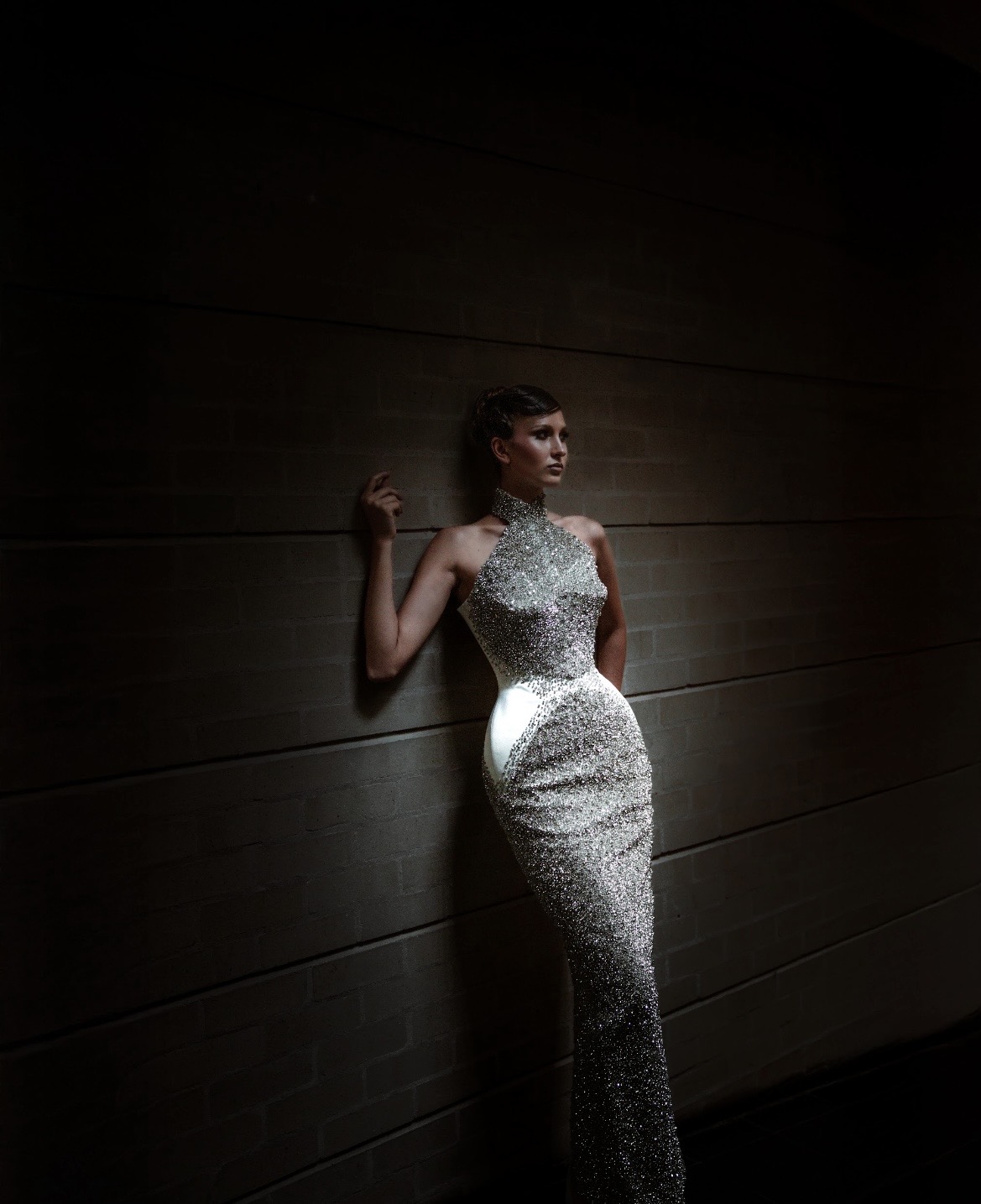
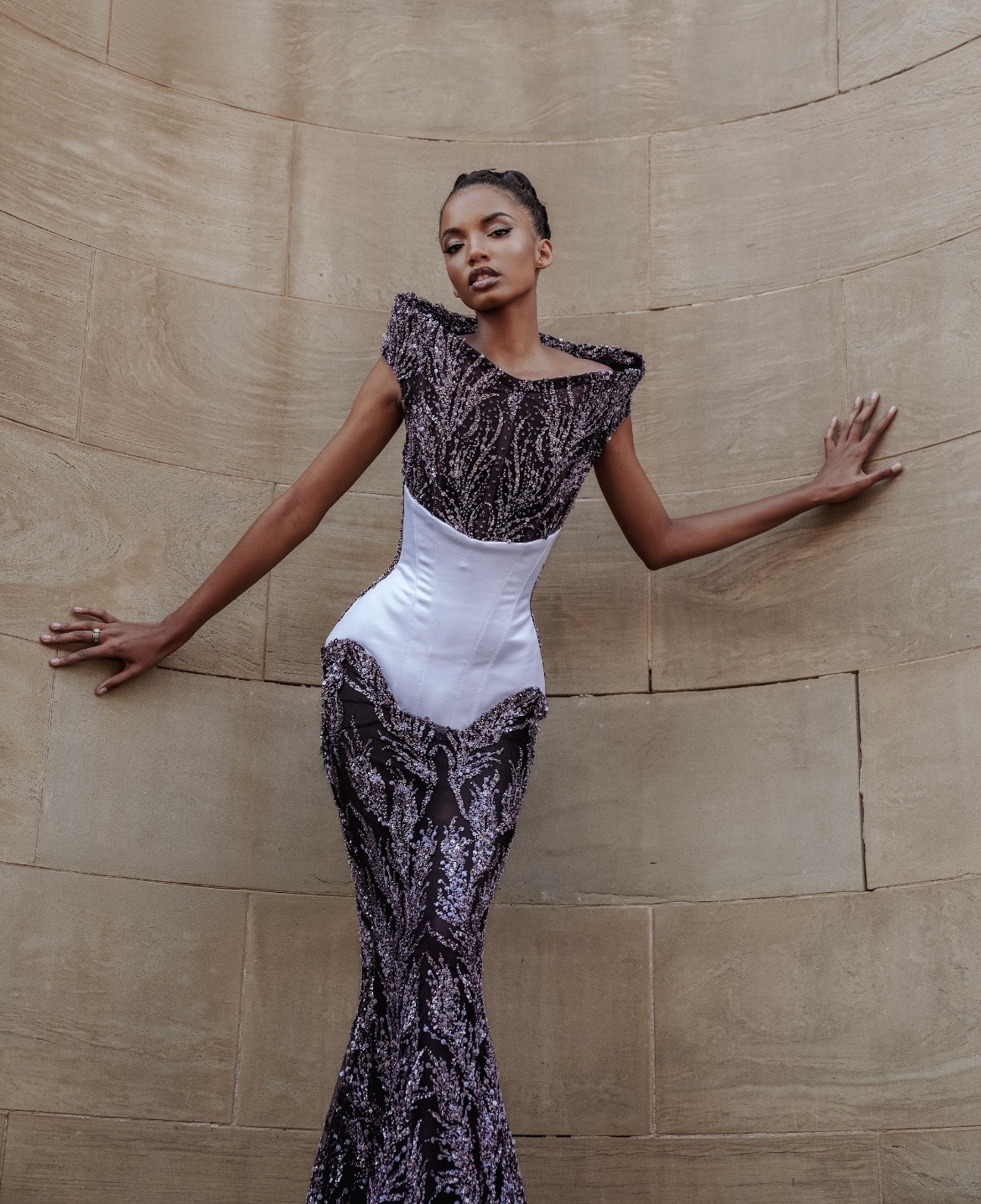
Throughout the collection, this manifests in a delicate tension between softness and structure. Draped fabrics move with ease against the precision of corsetry, while subtle details, such as raw hems and evolving fabric manipulations, suggest openness and transformation rather than finality.
“When it feels right, I run with it,” he says.
@pieterjohanphoto @pj.hougaard
Bridal, in this context, becomes both a return and a redefinition. Some of the earliest garments created under Willet Designs Couture were wedding dresses, making bridal an integral part of the brand’s foundation. Although it briefly receded as the designer explored other directions, it now re-emerges with renewed clarity.
“Bridal has always been something that I have been passionate about,” he notes.
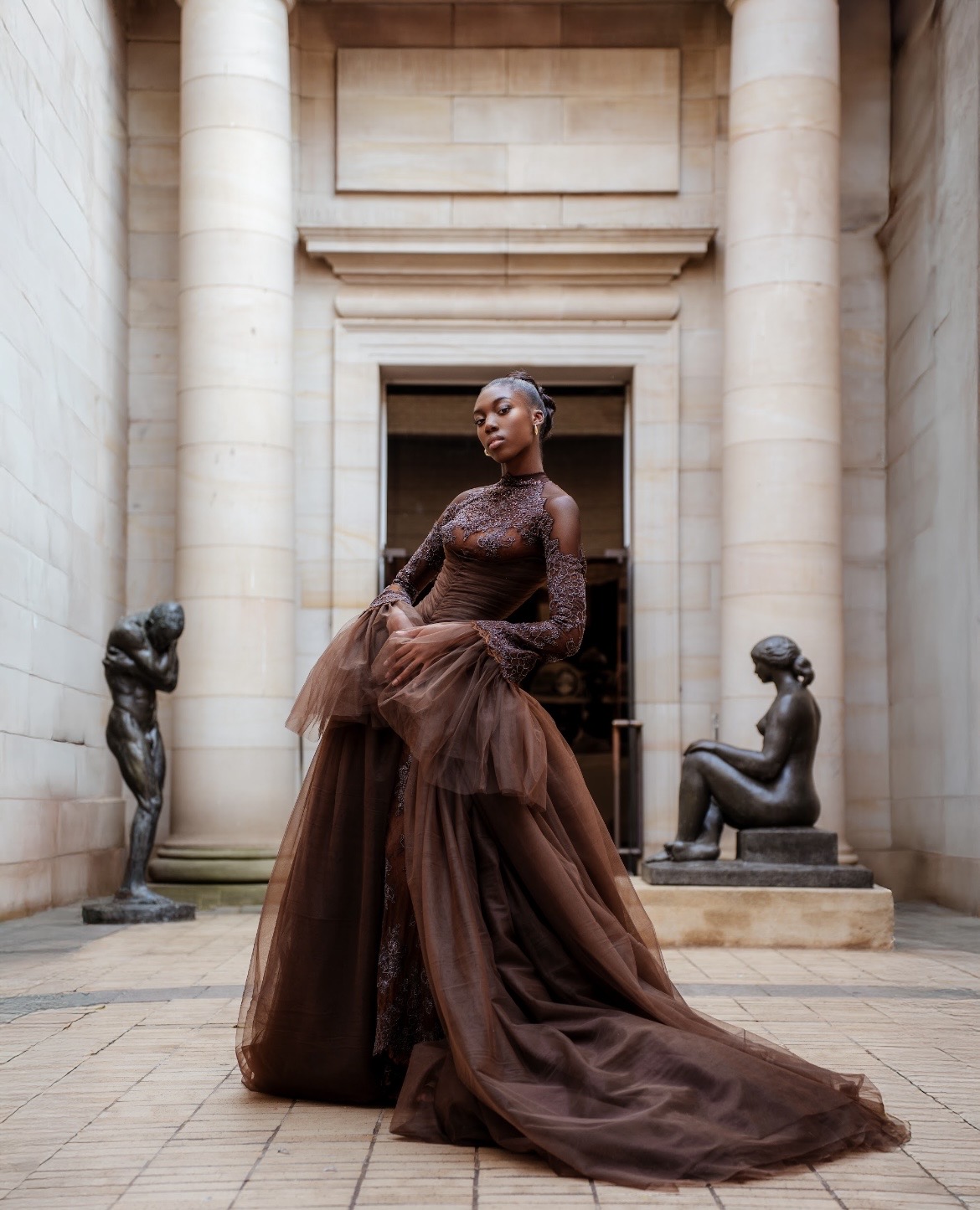
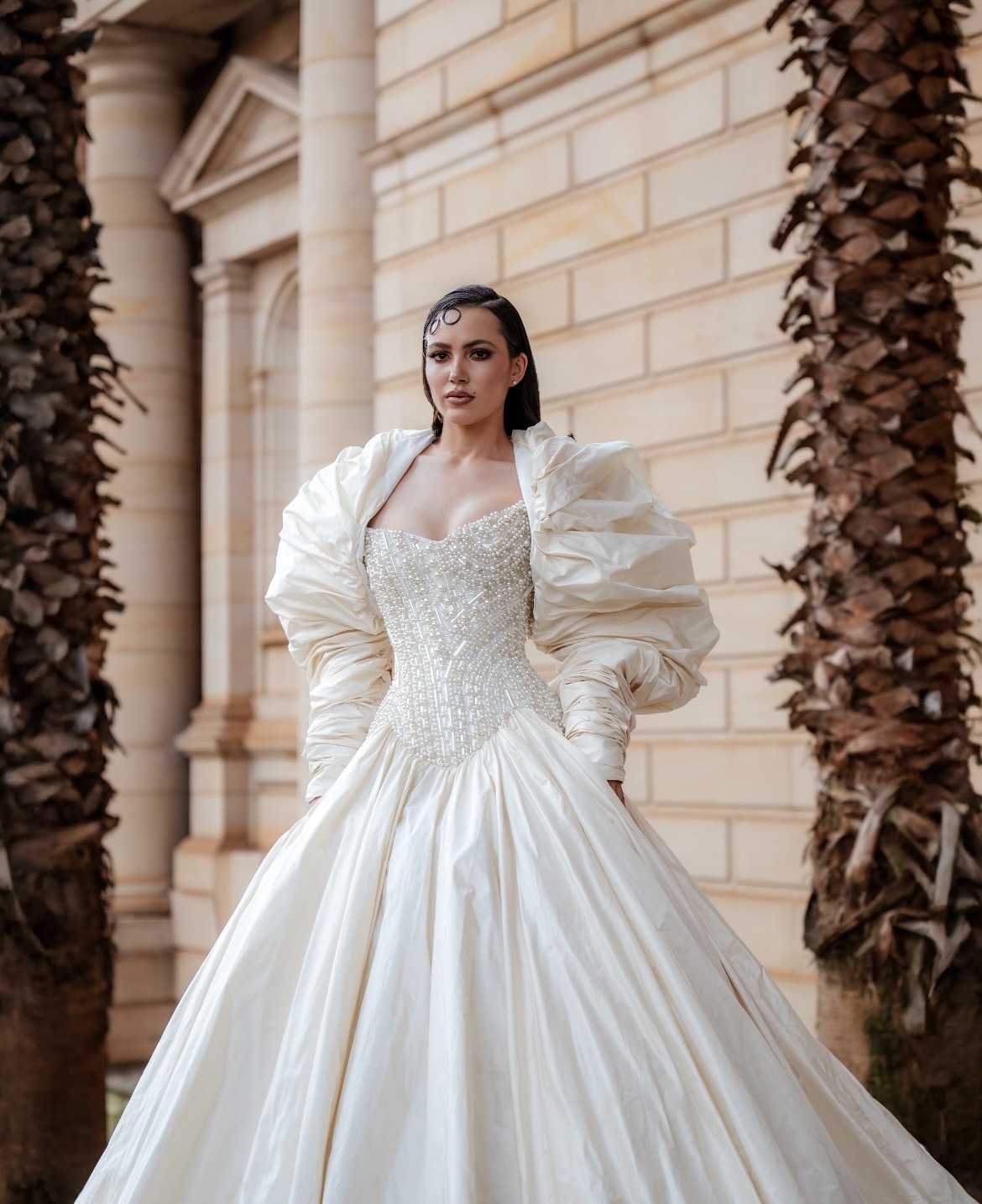
That return is accompanied by a desire to expand what bridal can look like within the South African landscape. While the market offers an abundance of beauty, it often exists within familiar boundaries. The Living Thread gently challenges those expectations, introducing sequins, sculptural volume and unexpected tones such as brown into the bridal conversation.
“The bottom line is that bridal doesn’t have to be typical bridal,” he says. “It can be whatever you can dream up.”
@pieterjohanphoto @pj.hougaard
Despite the visual richness of the collection, its scale remains intentionally intimate. Only eleven looks were presented, each one crafted entirely by De Beer himself, reinforcing the deeply personal nature of the work.
“We kept the show very small because each of them are very special to me,” he shares.
Rather than a single standout piece, the collection exists as a series of equally significant expressions, each carrying its own emotional weight while contributing to a larger narrative.
@pieterjohanphoto @pj.hougaard
At the centre of it all is the Willet Designs Couture bride. She is defined by discernment and a desire for something beyond convention, drawn to craftsmanship, intention and individuality.
“The ultimate Willet bride is someone with exceptional taste,” he says. “Someone who is looking for something outside of the norm.”
The relationships formed throughout the design process often extend far beyond the wedding day, evolving into lasting connections rooted in trust and shared experience. Many brides remain part of the brand’s world long after their gowns have been worn.
As Willet Designs Couture looks ahead, there is a quiet sense of momentum. Another showcase is already in development, though details remain undisclosed. For now, the focus rests on allowing The Living Thread to resonate and to find its place in the lives of the women it was created for.
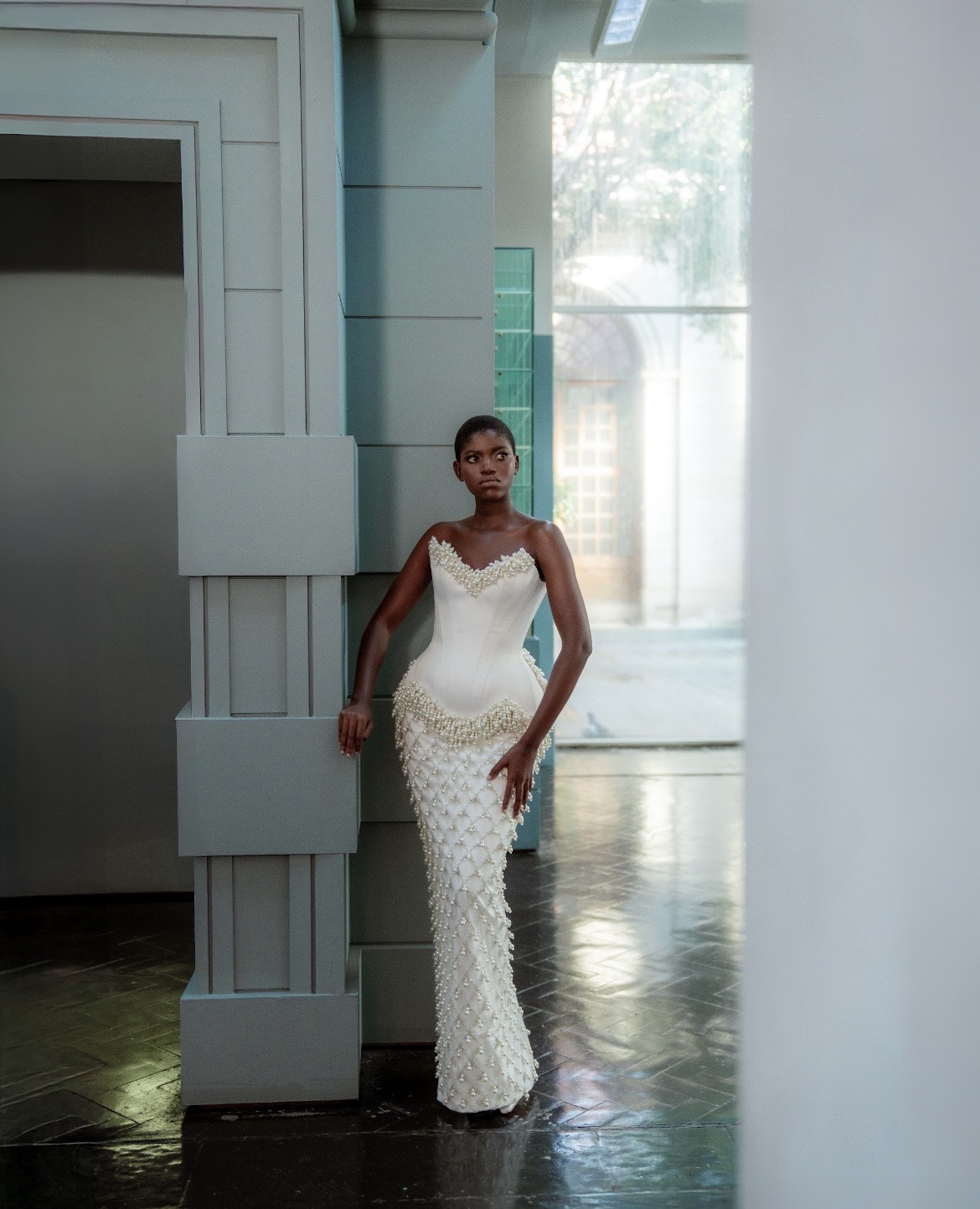
@pieterjohanphoto @pj.hougaard
“We want to revel in what we have created,” he says, “and hopefully make these dresses a hundred times over.”
With The Living Thread, Willet Designs Couture offers a vision of bridal that is both intimate and expansive, where each gown becomes more than a garment, but a living expression of memory, love and the beauty that endures.
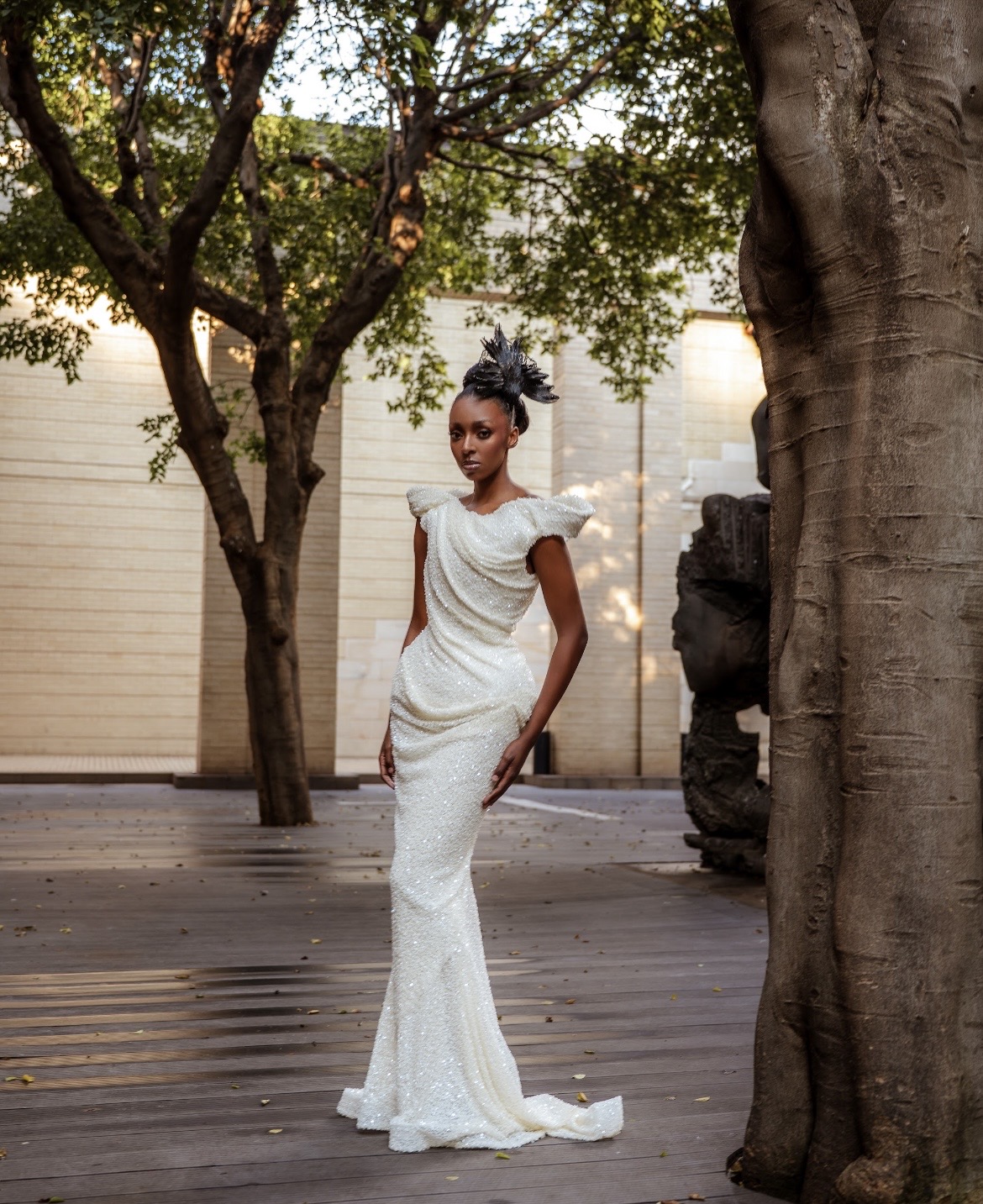
@pieterjohanphoto @pj.hougaard
WILLET DESIGNS COUTURE – CREDITS LIST
The Living Thread 2026
Designer: @willetdesignscouture
Brand manager: @mariusbartmann
Assistant: @styled.by.juliet
Production: @leosznconsulting @kirstyswiss @ruthxruth03
Hair: @duchessofmane
Make-up: @soma_southafrica @kallie1989
Photographer: @pieterjohanphoto @pj.hougaard
Photographer’s assistants: @thefabipinheiro @ennrich.blaauw @elri_du_plessis_photography
Venue: @johannesburgartgallery