
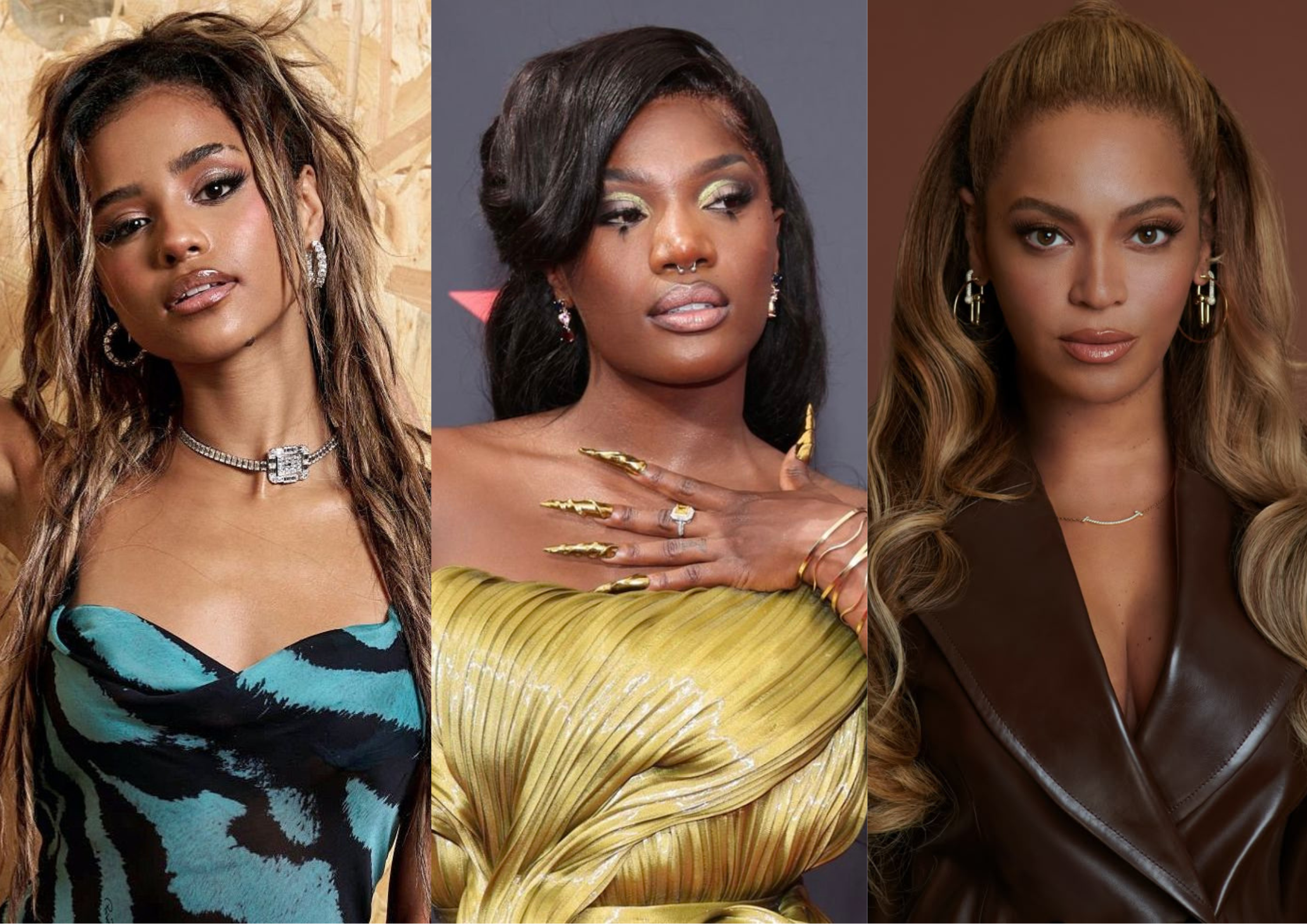
For decades, colour analysis has promised clarity, confidence and effortless style. Yet for many Black women, it has remained a system that rarely reflects them. Built largely around lighter skin tones, traditional colour frameworks have often failed to account for the depth, diversity and nuance of melanated skin. Inspired by educational insights shared by Colour Lab Stylist, a platform dedicated to inclusive colour analysis, we explore the four key elements shaping modern colour theory — contrast, chroma, undertone and seasonal palettes — and how they are transforming the way Black women understand beauty, fashion and self-expression.
At its core, colour analysis is a styling tool that helps identify the colours that best complement your natural features. When done correctly, it becomes a powerful guide for wardrobe building, makeup selection and personal style. But for Black women, this knowledge has long been diluted by oversimplified advice and limited representation, leaving many to rely on guesswork rather than informed choice.
Today, inclusive colour analysis is rewriting that narrative — and it starts with understanding the four pillars.
Contrast: The Power of Visual Balance
Celebrity example: Doechii (Very High Contrast)
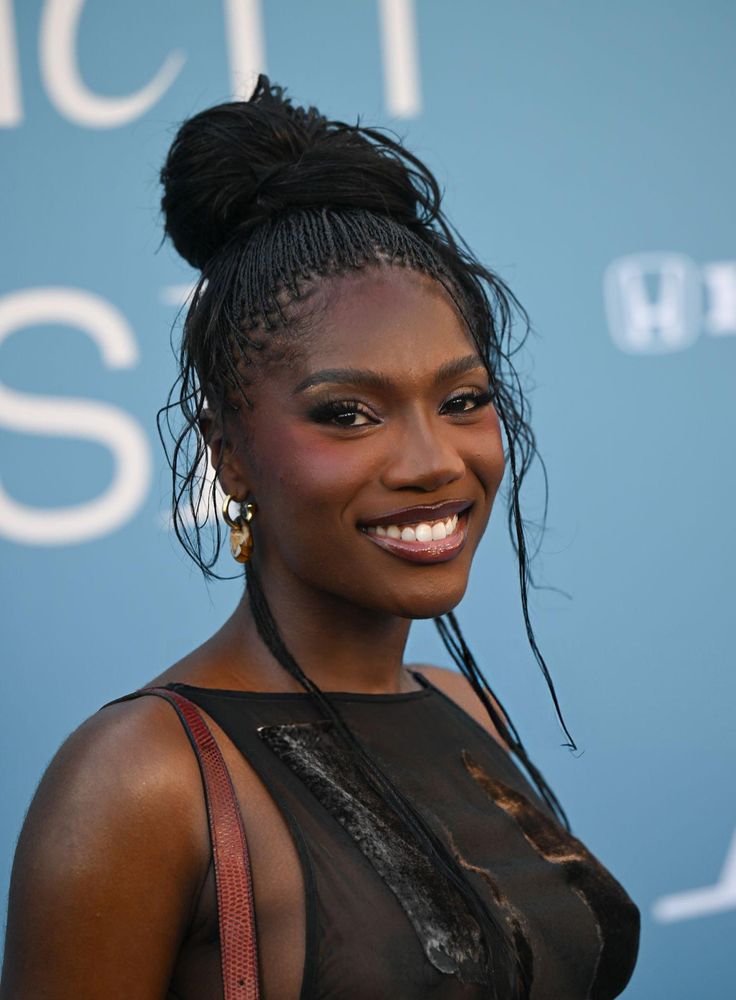
Contrast refers to the difference between your skin tone, hair colour and facial features. High contrast occurs when there is a striking visual distinction between these elements, creating bold definition and dramatic impact. A perfect example of very high contrast is Grammy Award-winning musician Doechii, whose deep complexion, dark hair and bright facial highlights allow her to carry bold colours, sharp tailoring and striking silhouettes with effortless confidence. High-contrast individuals often shine in graphic prints, crisp monochrome looks and strong colour blocking, making statement fashion feel natural rather than overwhelming.
Chroma: The Intensity of Colour
Celebrity example: Rihanna (Soft Chroma)
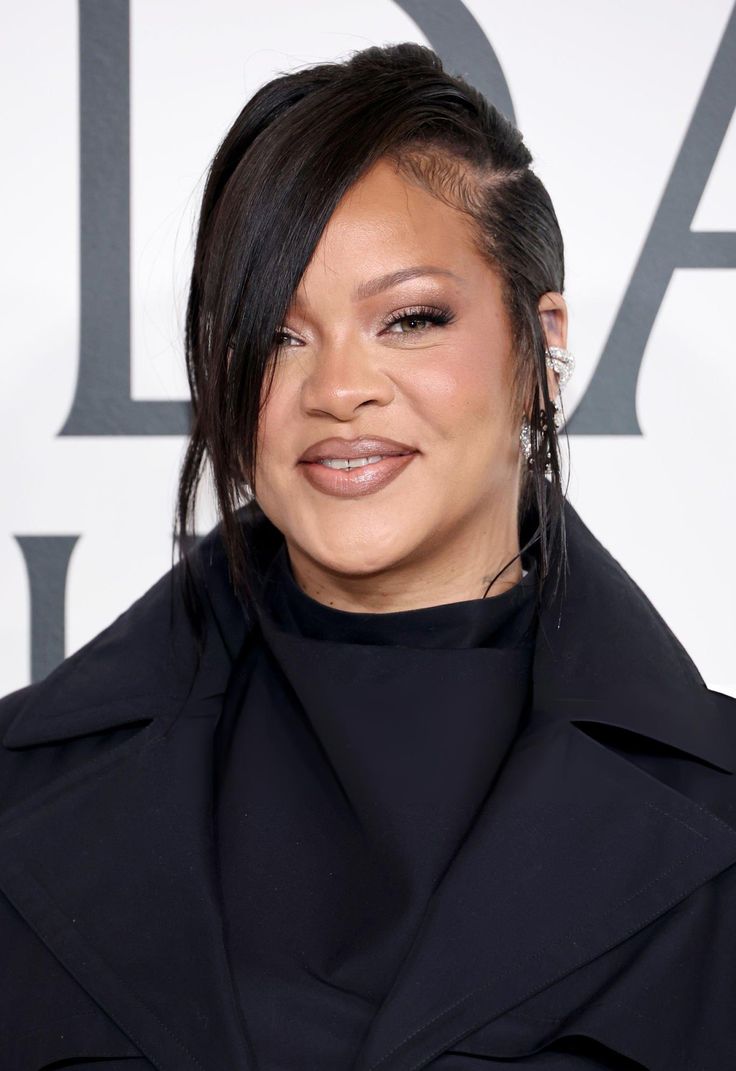
Chroma describes the brightness or softness of colour. While some complexions thrive in vivid, saturated hues, others are elevated by softer, more muted tones. Pop icon Rihanna embodies soft chroma beautifully, often favouring dusty pastels, earthy neutrals and gently muted shades that complement her natural glow. Rather than overpowering her features, these softer hues create a refined, harmonious effect, proving that understated colour can be just as powerful as bold saturation.
Undertone: More Than Warm or Cool
Celebrity example: Beyoncé (Warm Undertone)
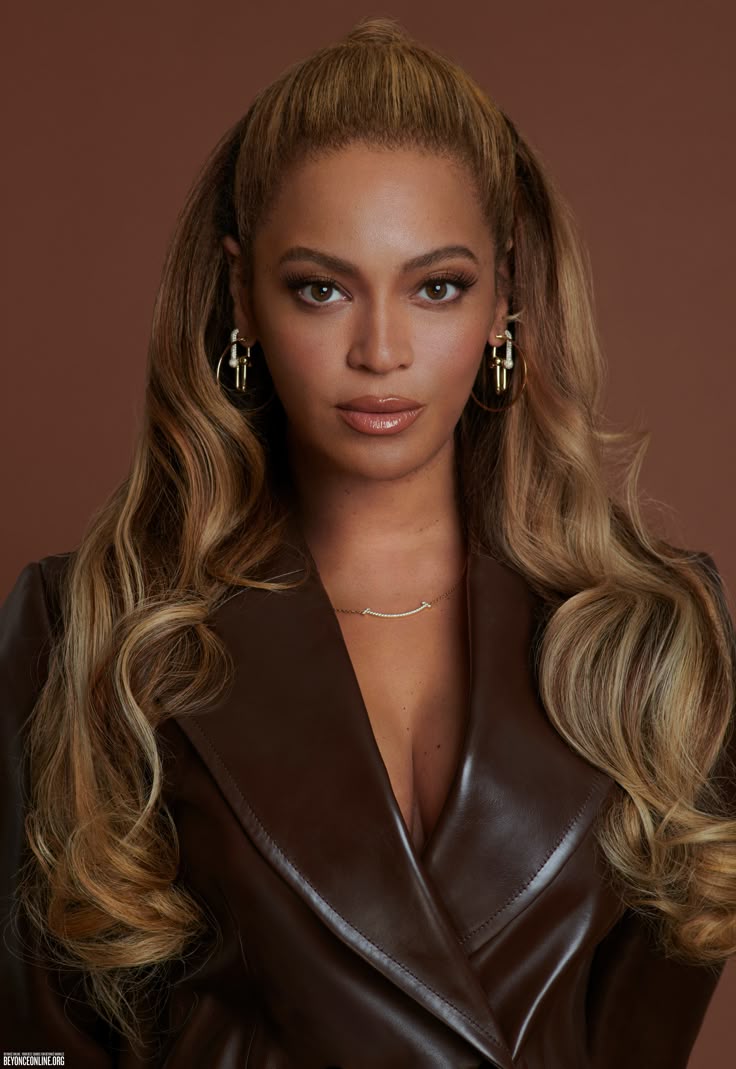
Undertone refers to the subtle hue beneath the skin’s surface, and in melanated skin, it exists across a rich spectrum of golden, red, olive, neutral and blue-based tones. Beyoncé, with her unmistakable warm undertone, consistently glows in golden hues, bronzes, rich browns and honeyed metallics that enhance her radiant complexion. Understanding undertone unlocks the secret behind why certain colours appear luminous while others fall flat, offering Black women a clearer roadmap to intentional styling.
Seasons: A New Framework for Melanated Skin
Celebrity example: Tyla (Autumn)
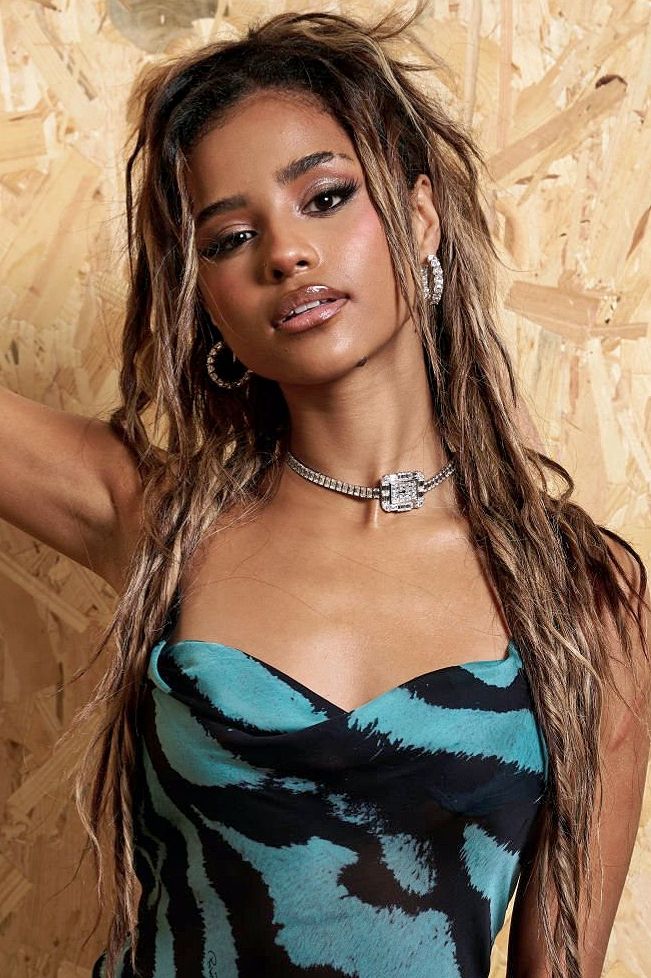
Seasonal colour analysis categorises individuals into Winter, Spring, Summer or Autumn palettes based on their undertone, contrast and chroma. Reimagined for darker skin, this framework becomes both inclusive and transformative. Tyla, often styled within the warm, earthy richness of the Autumn palette, exemplifies this beautifully. From chocolate browns and burnt oranges to warm neutrals and golden tones, her fashion choices consistently echo the depth and warmth associated with the season, proving that Black women exist vibrantly across every seasonal category.
Beyond aesthetics, inclusive colour analysis carries emotional and cultural weight. Seeing melanated skin placed at the centre of beauty education affirms visibility, belonging and worth. It challenges Eurocentric standards and equips Black women with the language to understand and celebrate their own beauty on their own terms.
This shift moves colour analysis away from rigid rules and toward intentional self-expression. By understanding contrast, chroma, undertone and seasons, Black women gain the tools to build wardrobes that feel aligned, expressive and authentic — grounded not in trends, but in self-knowledge.
In reclaiming colour theory, Black women are not simply redefining beauty norms. They are rewriting the narrative of visibility, identity and personal power — one shade at a time.